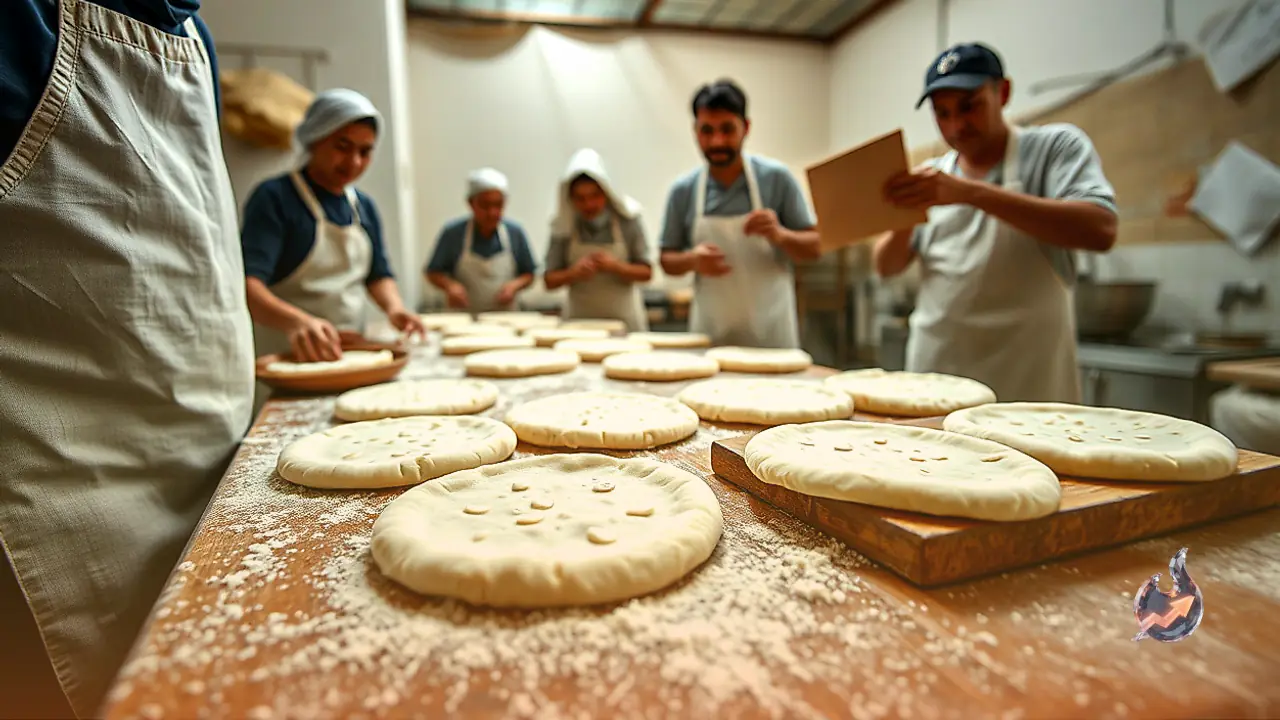

Preparing flatbreads using buckwheat flour during Navratri or other religious fasting periods frequently turns into a frustrating culinary challenge. Many home cooks discover that as soon as they roll out the rolled dough on a board, the edges begin fracturing, or the bread crumbles apart the moment it is transferred to the griddle. The primary underlying reason behind this fragility is that buckwheat flour completely lacks gluten, the natural protein present in wheat that binds the dough together and provides elastic structural strength. Without this natural binding agent, handling the dough requires an entirely different preparation technique. If your buckwheat flatbreads consistently crack and break, a dependable solution is to precook the flour in hot water prior to kneading. This specific moisture trap allows the flour to absorb liquids effectively, yielding a pliable dough that rolls smoothly and produces tender flatbreads.
Ingredients and Proportions Needed
Achieving the right texture requires accurate proportions of essential fasting-compliant ingredients. You will need buckwheat flour, 2 cups of clean water, rock salt according to taste preference, one teaspoon of pure clarified butter, and a small quantity of dry buckwheat flour set aside for dusting. When purchasing ingredients intended for traditional fasts, always inspect the manufacturer packaging instructions and ingredient labels carefully to confirm they comply strictly with dietary guidelines.
Step-by-Step Method for Precooking the Flour
The secret to introducing flexibility into gluten-free dough lies in cooking the starch with boiling water. Begin by taking a deep pot, pouring in 2 cups of water, and placing it over heat. Add the rock salt along with one teaspoon of clarified butter to the water. The fat from the clarified butter helps lubricate the starches. The precise moment the water reaches a rolling boil, switch off the heat completely. Begin pouring the buckwheat flour into the steaming water gradually, whisking or stirring continuously with a spatula so that the starch absorbs the moisture evenly without forming stubborn clumps. Once the mixture thickens into a uniform mass, cover the pot with a tight lid and let it rest undisturbed for about 5 minutes, allowing residual steam to soften the grains.
Kneading While Still Moderately Warm
After resting for five minutes, transfer the warm mixture onto a wide platter or kneading tray. It is critical not to allow the dough to turn cold; instead, wait until it drops to a comfortable temperature that can be easily handled by hand. Rub a few drops of clarified butter across your palms and begin kneading the dough rhythmically to achieve a smooth texture. If the mixture appears overly dry or crumbly, incorporate tiny splashes of water. Avoid pouring excess liquid all at once, as too much moisture will instantly transform the dough into an unmanageable, sticky paste. Once the dough becomes supple and uniform, cover it with a damp cloth or lid to preserve its moisture.
Rolling Techniques and Using Protective Sheets
Divide the kneaded dough into small, identical portions and shape them into round balls. Dust the rolling surface with a pinch of dry buckwheat flour to prevent the base from sticking. Place a portion in the center and roll it using gentle, delicate strokes of the rolling pin. Applying aggressive downward force will cause the edges to rupture. If the dough starts adhering to the rolling surface, lightly apply a bit more dusting flour. Do not attempt to roll buckwheat flatbreads as thin as standard wheat varieties. If minor tears appear around the rim, gently press and smooth them back together using your fingertips. For beginners experiencing difficulty, placing the ball of dough between two clean plastic sheets while gently rolling provides an effortless way to produce uniform discs without sticking.
Cooking on the Griddle and Serving Pairings
Heat a flat cooking griddle over moderate flame. Carefully lift the rolled disc and position it onto the heated surface. As soon as subtle light spots develop on the underside, turn the bread over using a spatula. Allow the reverse side to cook briefly, flipping back as needed until evenly baked through. You can press the surface gently with a clean cloth or a spatula to facilitate even heat transfer. Keep in mind that buckwheat flatbreads do not necessarily puff up into full balloons like traditional wheat breads. Once properly cooked, slide the flatbread off the griddle. Brush the top with warm clarified butter and serve fresh. During fasting days, these flatbreads pair exceptionally well with fasting-approved spiced potato dishes, fresh yogurt, or other festive preparations.
Crucial Precautions for Handling Buckwheat Dough
Controlling moisture balance remains the most sensitive aspect of working with buckwheat flour. Insufficient hydration leaves the dough dry, causing it to split during ball formation and shatter under the rolling pin. Conversely, surplus water creates a tacky consistency that clings relentlessly to hands and preparation surfaces. Always adjust water and dusting flour in small, measured increments. Additionally, never leave shaped balls exposed to room air for prolonged periods, as buckwheat dough dries out rapidly, resulting in a crusty exterior that tears when flattened. Always keep the dough covered until ready to roll.