






















Beautifying a home balcony, terrace, or courtyard with colorful flowering plants does not always require purchasing expensive potted plants from a nursery every single time. Bougainvillea is a remarkably vibrant and popular plant that instantly elevates the visual appeal of boundary walls, exterior house structures, and home gardens. Available in striking shades of pink, purple, white, and orange, this plant thrives wonderfully when provided with appropriate care and a favorable environment. Garden enthusiasts can easily attempt to propagate a brand-new plant at home using just a single healthy stem from an existing plant.
Achieving success in this propagation process requires selecting the right stem cutting, ensuring proper drainage in the potting soil, and protecting the young cutting from harsh afternoon sunlight during its initial days. Let us explore the proper method for planting Bougainvillea cuttings at home and the essential maintenance steps required to help them flourish successfully.
How to Propagate a New Bougainvillea Plant From a Cutting
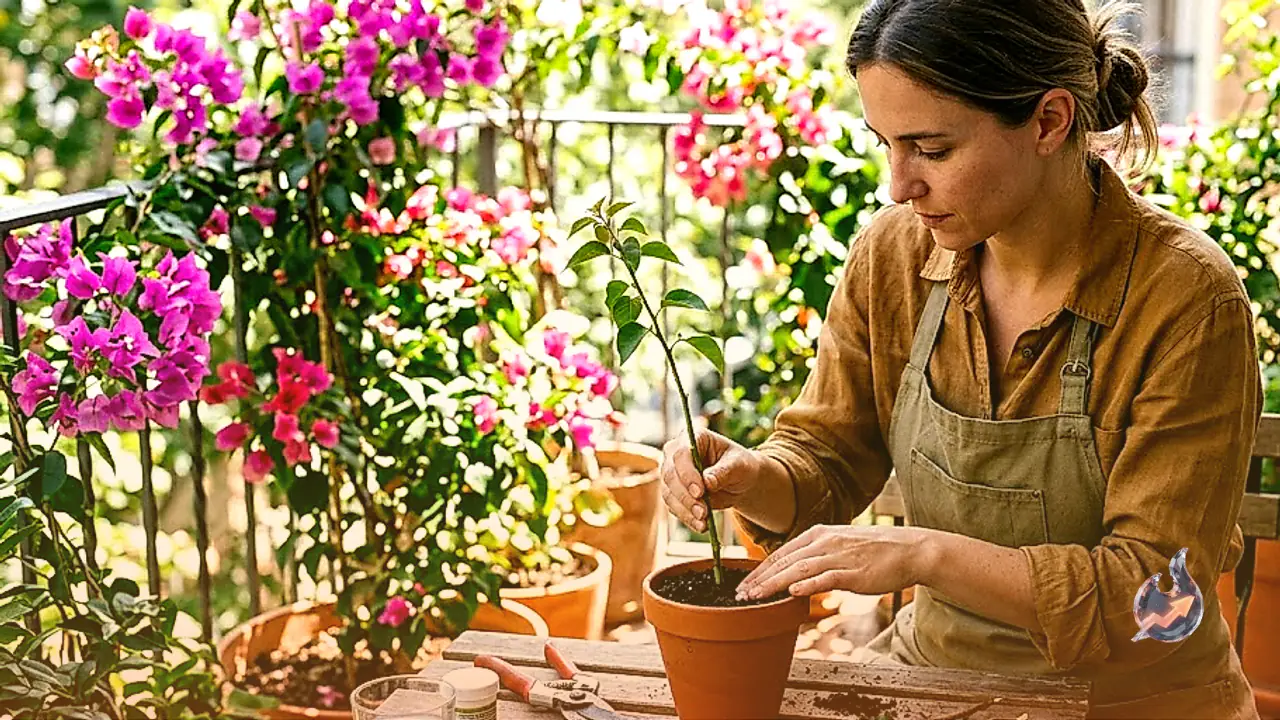
Growing a fresh Bougainvillea plant begins with carefully choosing a healthy and strong stem from a mature plant. The selected stem should neither be extremely tender and new nor excessively old, woody, or dry. Always pick a stem that is moderately firm and completely free from any visible signs of disease, pest infestation, or decay. Use a clean and sharp pair of gardening shears or pruners to make the cut cleanly. You can prepare a cutting measuring approximately 6 to 8 inches in length. Carefully pluck away the leaves present on the lower section of the cutting to ensure there is enough bare stem available for planting securely into the soil. If you are taking a stem cutting from a plant located near a roadside or inside a public park, make sure to obtain prior permission from the property owner or the relevant municipal department.
Preparing the Right Potting Soil Mix
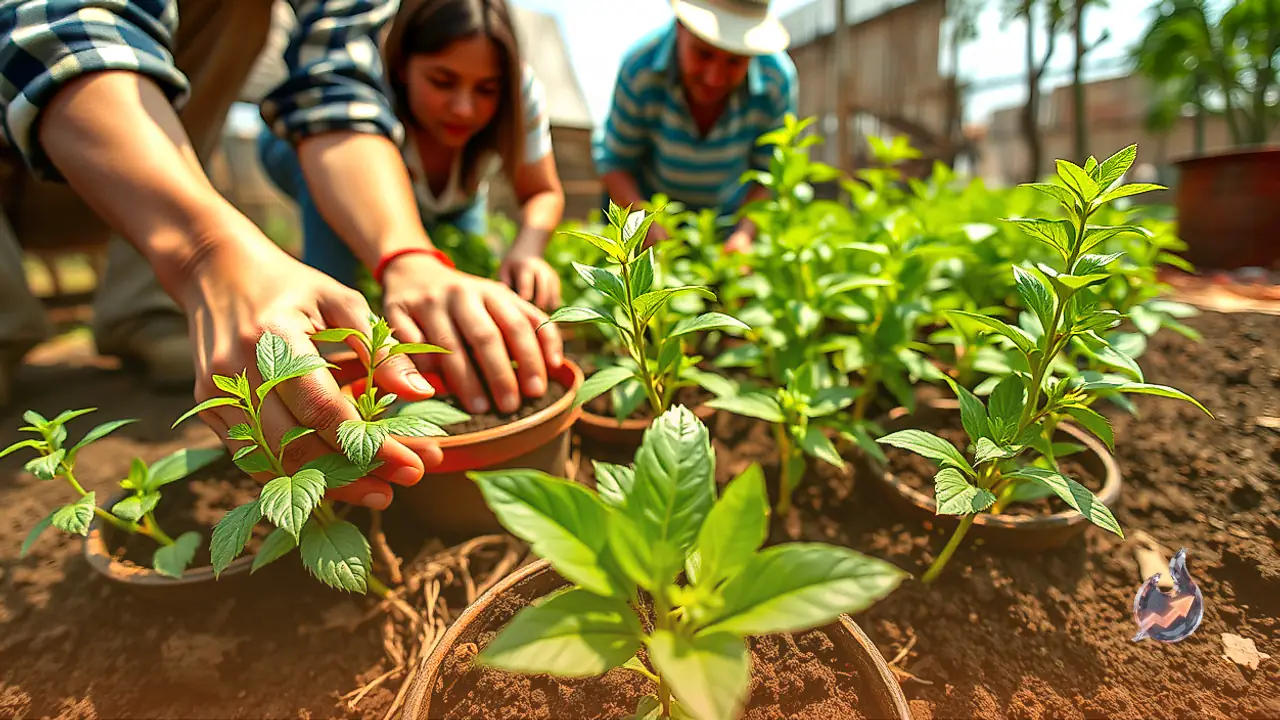
To plant your Bougainvillea cutting, choose a pot equipped with adequate drainage holes at the bottom. Allowing water to accumulate around the roots of this plant significantly increases the risk of root rot. Therefore, the soil mixture must possess excellent drainage properties. You can create a rich growing medium by blending regular loamy soil with a bit of coarse sand and well-rotted organic compost. Coco peat can also be incorporated into the mix, but take careful precautions to avoid keeping the soil excessively wet. Insert the lower section of the cutting roughly 2 to 3 inches deep into the soil. Afterward, gently press the surrounding soil down using your hands so that the stem remains firmly anchored in an upright position.
Essential Care Tips After Planting the Cutting
Immediately after inserting the cutting into the pot, provide a light watering to settle the soil. Place the container in a well-lit location, but ensure it is shielded from direct, harsh afternoon sun exposure during the initial stages. Water the plant only when the topmost layer of the soil begins to dry out. Pouring excessive amounts of water every single day or allowing water to pool inside the pot represents a very common gardening mistake. Such negligence can cause the bottom portion of the cutting to rot, thereby drastically lowering the chances of successfully growing a new plant. Avoid the temptation to repeatedly pull the cutting out of the soil during the early weeks just to check for root development, as this can severely damage the delicate new roots.
How Long Does It Take for New Leaves to Appear?
If the cutting is healthy and receives the right environmental conditions, tiny new leaves can emerge within a span of a few weeks. However, the exact duration required for root formation and visible new growth depends heavily on the prevailing weather conditions, the physical condition of the stem, and the overall maintenance provided. It is important to note that every single cutting may not successfully develop into a mature plant. Once new leaves begin sprouting on the cutting and the plant appears stable and robust, gradually shift it to a spot that receives brighter sunlight. Bougainvillea requires ample sunlight to achieve vigorous growth and abundant flowering. As the plant eventually grows larger, you can transplant it into a larger container or plant it directly in an open area where its vines can spread freely.
Can Multiple Plants Be Grown From a Single Plant?
If you already own a large and healthy Bougainvillea plant, numerous cuttings can be harvested from it simultaneously. Try planting these individual cuttings in separate pots to propagate multiple new plants at once. However, since not every single cutting is guaranteed to form roots successfully, planting more than one cutting at the beginning can greatly improve your chances of getting successful results.