


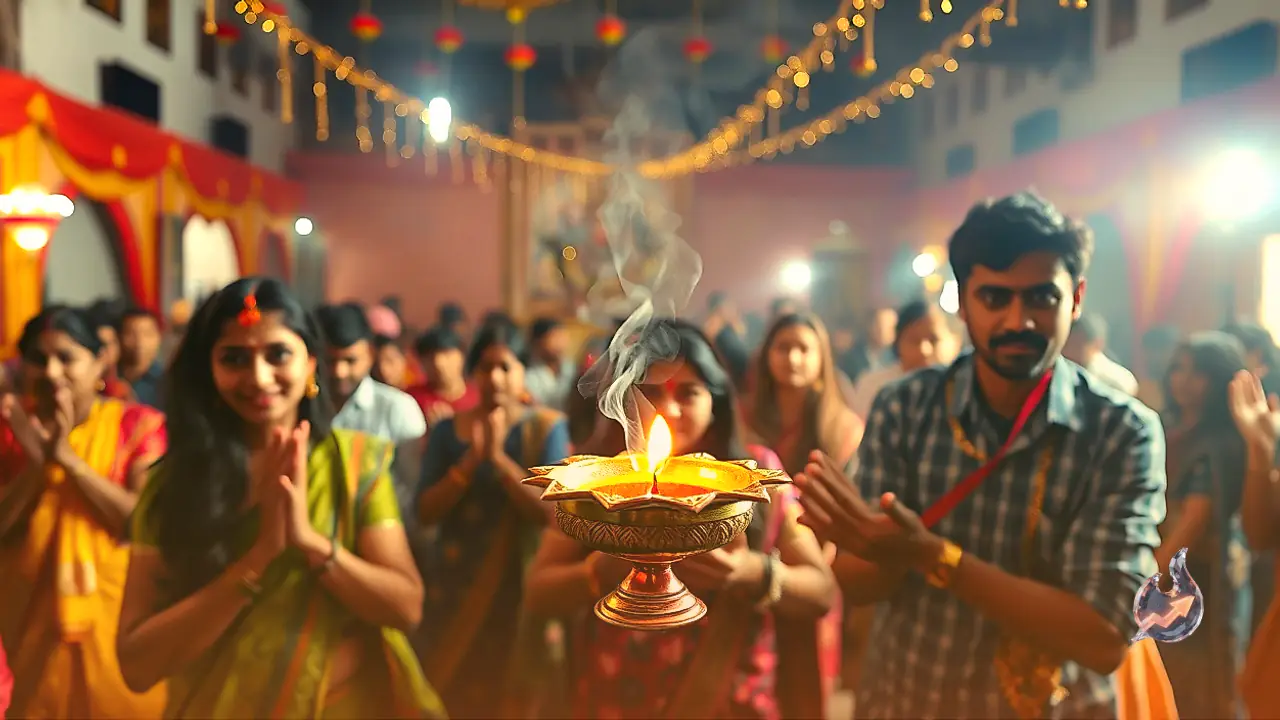














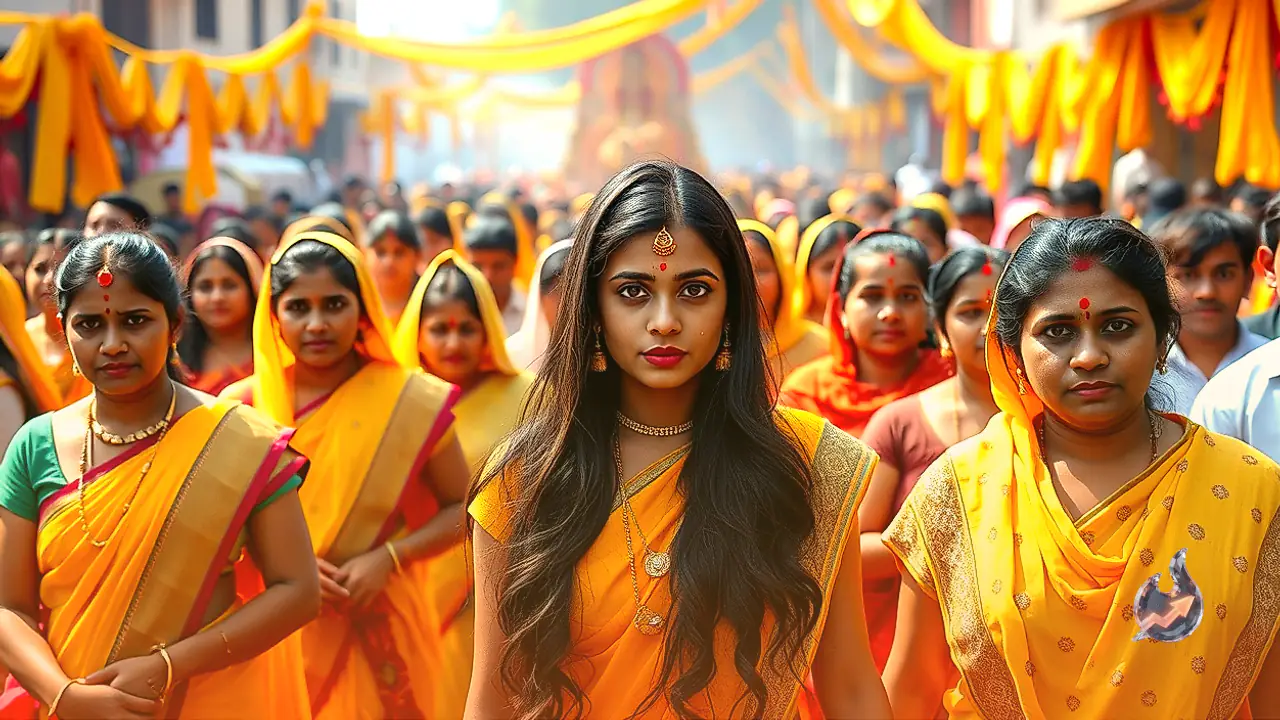

The fifth day of the auspicious festival of Navratri is devoted to Maa Skandamata, venerated across traditions as an embodiment of maternal tenderness, boundless affection, and pure grace. Devotees picture the goddess holding Lord Kartikeya, affectionately known as Skanda, in his infant form upon her lap. Worshipping Maa Skandamata on Panchami is believed to bestow prosperity, domestic peace, and wellness upon children. Alongside sacred rituals, Navratri celebrations carry a vivid tradition of daily color themes, with yellow occupying the prime spot on this specific day. For devotees planning their festive wardrobe for morning prayers as well as evening gatherings, yellow ethnic clothing offers a versatile canvas to balance traditional reverence with contemporary festive style.
Graceful Saree Styles for Morning Prayers and Evening Aarti
The timeless saree remains an unmatched silhouette for traditional Indian devotional gatherings. For morning prayer ceremonies, draping a lightweight yellow handloom cotton saree, delicate Chanderi, or a subtle silk weave with a golden zari border creates an aura of understated poise. When getting ready for daylight rituals, pair such drapes with a modest bindi, miniature golden jhumkas, and classic glass bangles to retain a gentle festive demeanor. In contrast, evening festivities and community aartis call for richer fabrics such as yellow Banarasi silk. Elevating an evening silk drape with a neat hair bun adorned with fresh flowers, accompanied by prominent chandelier earrings, produces a stately festive look. Opting for contrasting blouse tones, such as emerald green or deep rani pink, can further transform a conventional yellow drape into an eye-catching ensemble.
Anarkali Suits Offering Elegant Flare with Practical Comfort
For those who find managing pleats and pallus over long hours cumbersome, a yellow Anarkali suit serves as an exceptional alternative. The voluminous circular flare of an Anarkali silhouette brings immediate royal flair to festive occasions while granting absolute freedom of movement during rituals. Color tones can range across bright haldi yellow, spicy mustard, or subdued pastel shades depending on personal taste. When wearing an Anarkali laden with intricate gota-patti embroidery or golden threadwork, it is best to keep jewellery minimal to let the outfit shine. Conversely, a minimalist plain suit gains an instant festive lift when paired with a heavy dupatta featuring rich border embellishments. Completing this look with cushioned ethnic jootis ensures steady footing throughout extended ceremonies.
Chic Simplicity with Kurta Sets and Shararas
Devotees seeking understated elegance without heavy layering can comfortably rely on tailored yellow kurta sets. A straight-cut kurta paired with coordinated cigarette trousers and an airy dupatta represents an effortless styling solution. To bring modern flair into the celebration, one can swap straight silhouettes for flared A-line cuts, palazzos, or layered sharara sets. This attire is particularly functional for professionals who must commute directly from workplaces to devotional evening gatherings. Delicate tonal hand-embroidery, such as intricate Chikankari work on light fabrics, elevates a kurta set without requiring heavy accessory layering. Simple accents like classic drop earrings, an elegant wristwatch, and supple leather footwear round off a crisp, comfortable outfit.
Vibrant Lehengas Crafted for Festive Dandiya and Garba Nights
As daylight fades and the beats of traditional music take over Navratri celebrations, a yellow lehenga becomes an extraordinary choice for energetic Garba and Dandiya circuits. Garments adorned with reflective mirror embellishments, shimmering gota ribbons, or multi-hued folk embroidery capture festive illumination brilliantly. Pairing a flared yellow skirt with a contrast-colored choli in magenta, red, or deep bottle green brings artistic vibrancy to the ensemble. When sporting an elaborately decorated lehenga skirt, jewellery should be kept reasonably secure and light so dance movements remain unhindered. If the lehenga fabric is relatively subtle, wearing oxidized silver ornaments, an elaborate tribal necklace, and stacked metal bangles injects Bohemian character into traditional festive wear.
Balancing Jewellery and Festive Cosmetics
Carefully curated jewellery and makeup serve as the final unifying touches to any festive attire. Yellow garments naturally harmonize with traditional yellow gold ornaments, intricate kundan craftsmanship, and freshwater pearls. For a slightly edgier, contemporary appeal, oxidized silver jewellery provides a stunning cool-toned counterpoint to the warm yellow backdrop. When it comes to cosmetics, daylight religious rituals demand clean skin preparation, subtle nude or soft rose lip shades, gentle kohl along the lash lines, and light mascara. As celebrations transition toward nighttime musical events, one can amplify the aesthetic with sharply defined winged eyeliner and rich berry or ruby red lip colors to give facial features striking definition against evening illumination.
Versatile Dupatta Draping and Footwear Choices
Revamping festive style does not necessarily require purchasing an entirely new wardrobe; strategic adjustments in accessories can reinvent existing ethnic staples. A basic yellow kurta already resting in your wardrobe can be refreshed by styling it alongside an ornate bandhej, leheriya, or phulkari dupatta in contrasting tones of scarlet, fuchsia, or green. Shifting the draping technique, whether neatly pleating the scarf across one shoulder or allowing it to cascade freely over the arms, visibly updates the garment's visual structure. Equally crucial is the choice of footwear. When participating in lengthy rituals or active dance circles, prioritize supportive footwear such as flat mojris, cushioned ethnic jootis, or sturdy low-block wedges to avoid fatigue and maintain balance, ensuring comfort remains paramount throughout the celebration.