





















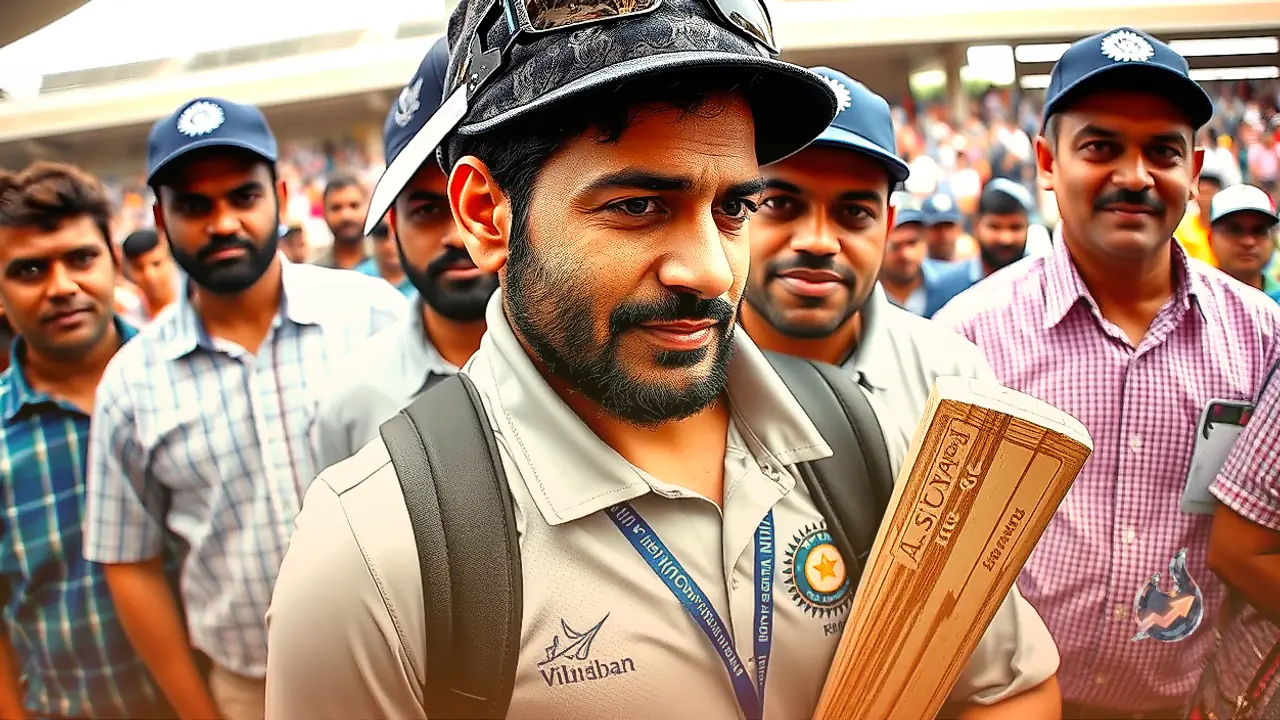

In an era where most batsmen preferred spending long spells at the crease to gauge the bounce, weather conditions, and bowling angles, Virender Sehwag redefined opening batting by taking on the opposition from the very first delivery. His aggressive intent was not reckless bravado; it was built upon ironclad self-belief and a deep understanding of his own technical strengths. His journey demonstrates why standing out from the crowd, bouncing back from bitter setbacks, and maximizing defining opportunities remain essential for long-term achievement. Looking closely at his playing days reveals seven powerful principles that can guide professionals, students, and leaders through the challenges of modern life.
Value Your Natural Strengths Instead of Blindly Copying Others
Sehwag broke the conventional mold of opening batting right from the beginning of his career. Rather than playing defensively or relying on textbook leaves outside the off stump, his instinct was to punish loose deliveries without hesitation. In July 2002, during the Lord's Test against England, he produced a blistering knock of 84 runs off just 96 balls. That innings served notice to the cricketing world that aggressive, counter-attacking batsmanship had a legitimate place in the longest format of the game.
His professional path provides a compelling case for embracing individuality. Success rarely comes from merely imitating someone else's playbook. Identifying your unique capabilities and refining them through disciplined practice gives you a distinct advantage. Whether tackling academic goals, climbing the corporate hierarchy, or managing an enterprise, playing to your authentic strengths creates a reputation that no standard clone can replicate.
Treat Early Stumbles as Learning Curves Rather Than Final Verdicts
The international arena was not an instant triumph for Sehwag. During his ODI debut against Pakistan in April 1999, he was dismissed after scoring just one run. Rather than allowing that disappointment to derail his ambition, he returned to domestic cricket, sharpened his fundamentals, and piled on runs to earn his way back into the national setup on merit.
This rebound illustrates that an initial failure never determines the trajectory of your entire life. Missing out on an employment offer, falling short in a competitive examination, or enduring an early business loss does not seal your fate. What truly matters is taking constructive feedback from mistakes, holding onto your resolve, and returning to the arena with renewed preparation.
Seize High-Stakes Moments with Bold and Calculated Execution
In March 2004, the Multan Test against Pakistan etched Sehwag's name in sporting lore. Compiling an astonishing 309 runs, he became the first Indian batsman to record a triple century in Test cricket. Even more telling was his mentality near the landmark: standing at 295, he dismantled pressure by dispatching a delivery from Saqlain Mushtaq over the boundary for six to cross the 300-run barrier in style.
His audacity under immense pressure highlights that monumental milestones require decisive action. When a career-defining breakthrough presents itself, freezing under the weight of expectations leads to missed opportunities. Backing your preparation and maintaining composure enables you to take calculated risks. Courage is not careless gambling; it is the confidence to execute a well-practiced skill when the stakes are at their absolute peak.
Sustain Deep Focus and Mental Stamina Through Long-Haul Challenges
During the 2008 Chennai Test against South Africa, Sehwag delivered a masterclass in concentration by scoring 319 runs. With that innings, he joined an elite global fraternity of batsmen who have scored two triple centuries in Test cricket. To this day, that monumental score remains one of the highest individual innings ever compiled in Indian Test history.
Spending grueling hours in challenging conditions demands more than temporary enthusiasm; it calls for unwavering mental fortitude. Similarly, accomplishing long-term life objectives cannot depend merely on initial excitement. There will be long stretches where visible progress is slow. In studies, research, or career building, staying locked onto the overarching objective despite fatigue and temporary plateaus is what separates champions from participants.
Channel Outside Criticism into Constructive Self-Correction
Facing Australia at the Melbourne Cricket Ground in December 2003, Sehwag produced a dominant knock of 195 runs. Standing just five runs short of a memorable double century, he chose to attack and was caught attempting a big hit. While commentators debated his decision, the innings proved that his method could dismantle elite pace bowling on fiery Australian wickets.
Every ambitious endeavor involves calculated missteps that will attract scrutiny. Rather than succumbing to self-doubt or reacting defensively to public opinion, resilient professionals examine the underlying substance of constructive critiques. Extracting the practical lesson while filtering out unnecessary noise allows you to return to the drawing board and fine-tune your craft for the next battle.
Adapt Fluidly Across Changing Formats and Environments
Throughout his tenure, Sehwag proved his mettle across all formats, excelling in Tests, ODIs, and T20s alike. In December 2011 at Indore, he proved his adaptability once again by blasting 219 runs against the West Indies, becoming only the second male cricketer to score a double century in ODI history.
His career progression illustrates that while your core competence must remain intact, your execution must adapt to shifting landscapes. In the modern workplace, picking up emerging tools, adjusting operational styles, and welcoming unfamiliar assignments prevent stagnation. Lean on your accumulated experience, but never close your mind to evolving market trends and modern skill sets.
Keep Your Personal Philosophy Grounded and Focused on Simplicity
Beyond his batting numbers, Sehwag has always been respected for his straightforward communication and uncomplicated perspective on life. In an interview with the BCCI, he highlighted that inner mental toughness, unshakeable confidence, and deep trust in one's own preparation formed the bedrock of his aggressive batting style.
This grounded philosophy serves as a reminder that genuine mastery does not require theatrical pretension. Wasting energy trying to impress onlookers is counterproductive compared to directing focus toward meaningful work. Celebrating milestones is important, but retaining personal humility and a passion for continuous learning keeps you relevant long after the applause fades.