
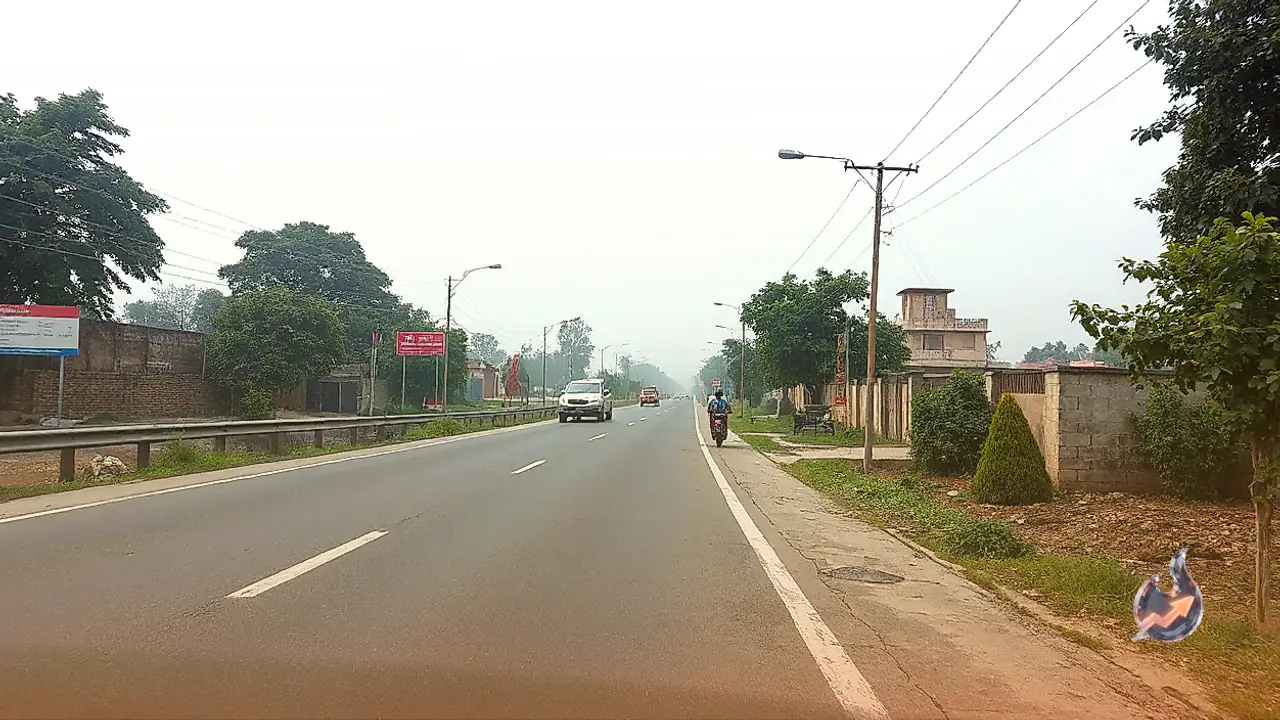

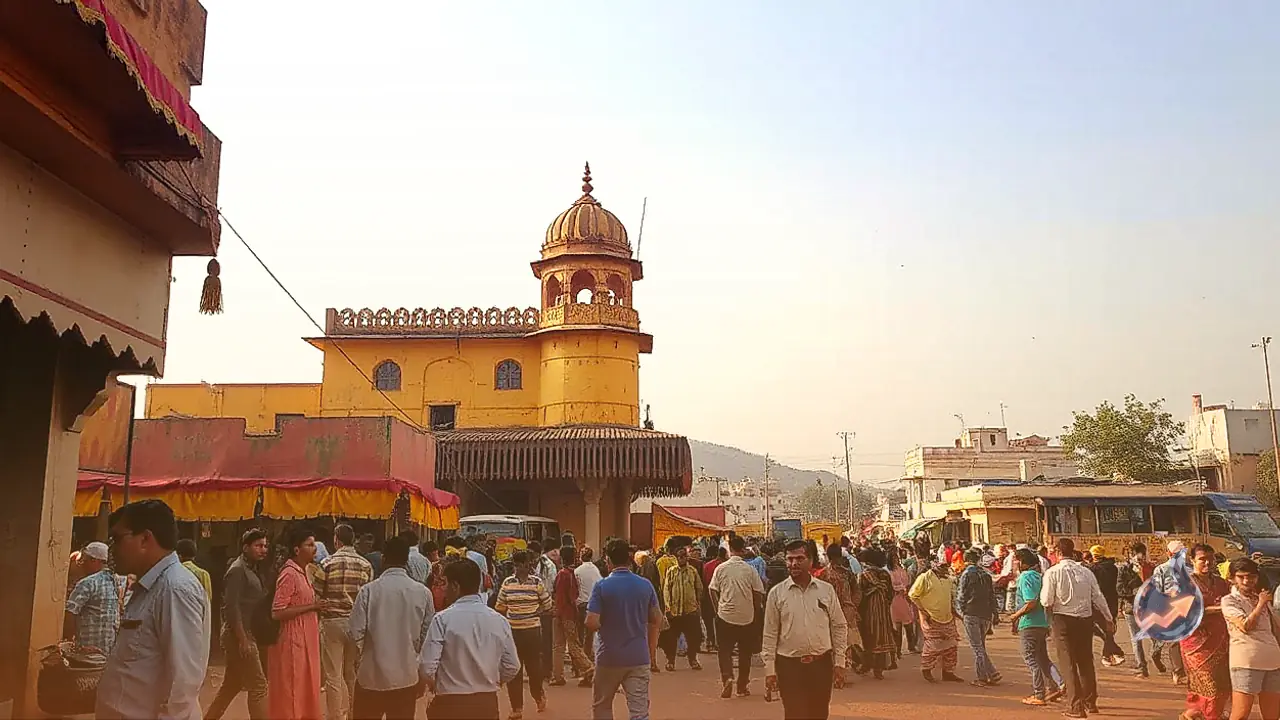
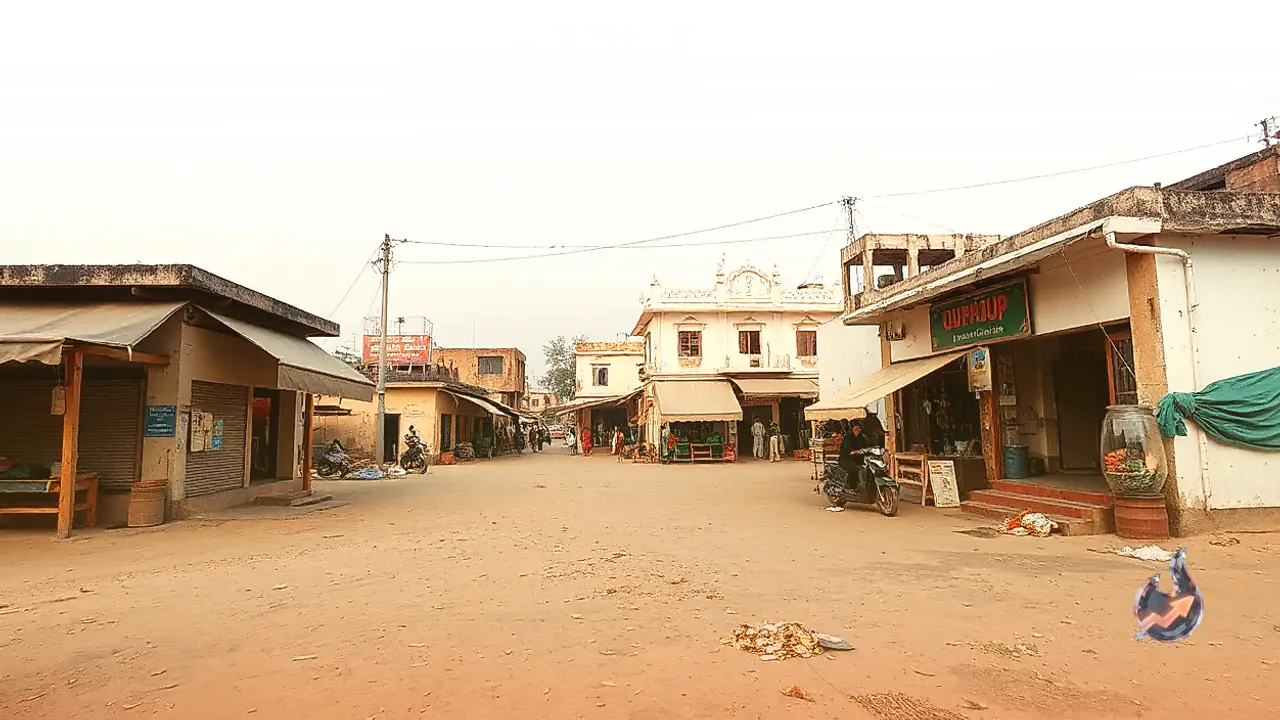














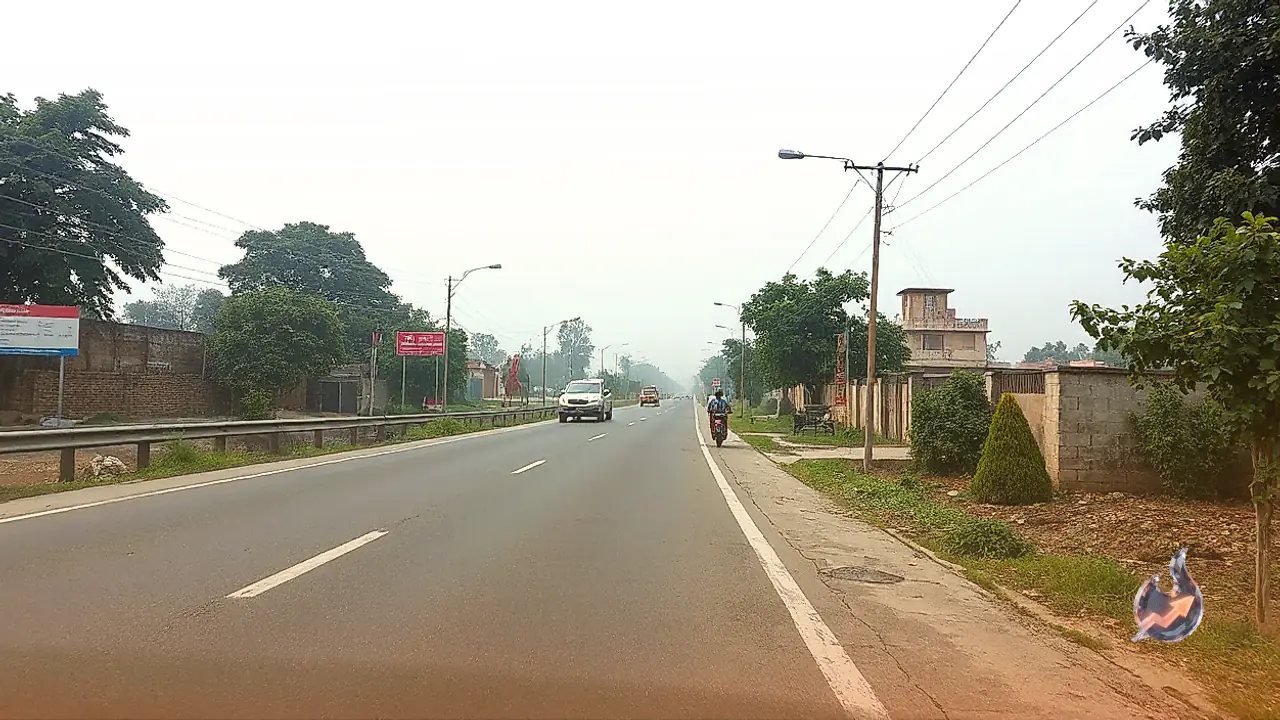

Hearing the name gulab jamun is enough to make anyone's mouth water. Whether it is a wedding, a festival, or any joyful family occasion, these soft and syrupy dumplings soaked in sugar syrup hold a special place among Indian sweets. While everyone has tasted gulab jamuns at various city shops, few know about a unique village in Uttar Pradesh whose entire identity has become intertwined with this dessert. People stopping here do not just sightsee; they specifically pull over to savor freshly prepared sweets. This famous location is called Magalganj, situated within the Lakhimpur Kheri district. Positioned right along the highway connecting Delhi and Lucknow, this spot has earned immense fame for its exceptional gulab jamuns, boasting multiple sweet shops lined up along the roadside.
A Major Rest Stop Between Delhi and Lucknow
Magalganj has established itself as a well-known transit landmark for commuters traveling by road between the national capital and Lucknow. Travelers navigating this busy stretch frequently pause their journeys for tea, snacks, or meals, but the presence of legendary gulab jamuns gives them an irresistible reason to stop here. Numerous sweet shops operate along the road, recording heavy daily sales of this delicacy. This unique trend of travelers stopping exclusively for the dessert is the primary reason why Magalganj is widely recognized as the gulab jamun village, where fresh batches are fried and served round the clock while customers also pack boxes to take home.
Decades-Old Origins of the Sweet Business
The sweet legacy of Magalganj did not happen overnight; its origins trace back several decades into local history. Records indicate that a shop named Danpal Mishtan Bhandar was established here in the year 1941. The gulab jamuns prepared at this modest establishment gradually captured the hearts of passing travelers. As motorists stopped to taste the delicacy, word of mouth spread across neighboring regions. Driven by rising demand, other local vendors soon entered the market and started selling similar sweets. What began as a single shop slowly blossomed into a thriving row of competing businesses lining the route.
Growth, Livelihoods, and Local Economy
The popularity of Magalganj gulab jamuns grew steadily over the years as generations of travelers appreciated the treat and recommended it to others. By the 1970s, the locality had firmly cemented its reputation as a premier destination for this specific sweet. The number of confectionery stalls multiplied alongside passing time. Today, the trade has evolved far beyond a mere roadside snack into a vital pillar of the local economy. Multiple shopkeepers and their dependent families derive their primary livelihoods from the continuous sale of these sweets.
The most striking visual feature of Magalganj remains the cluster of sweet stalls situated right on the highway edge. Reports highlight roughly 25 small establishments operating year-round to sell fresh batches of the dessert, though estimates regarding the exact number of shops vary across different accounts. Visitors can choose to sit down at the stalls to enjoy the hot treats immediately or request neatly packed boxes for their families. The constant stream of highway traffic ensures that this localized dessert industry remains robust throughout the year.
What sets Magalganj gulab jamuns apart from those found in practically every other part of the country is the method of serving them piping hot and freshly prepared. Several shops fry new batches continuously throughout the day. The combination of tender texture and sweet syrup appeals strongly to visitors. Some vendors even serve the piping hot sweet in small earthen pots, providing a distinct sensory experience for weary travelers. These small yet thoughtful details make the transit stop truly special.
Traditional Preparation and Frying Techniques
Making traditional gulab jamuns in Magalganj typically involves blending khoya or reduced milk solids, refined flour, and a mild leavening agent. These ingredients are kneaded together into a smooth, pliable dough, which is then rolled into small, uniform spheres. The balls are fried in oil or ghee until they attain an even golden brown color before being transferred immediately into warm sugar syrup, allowing the sweetness to penetrate deep inside. While the recipe sounds straightforward, achieving the right texture, precise frying temperature, and correct syrup consistency requires considerable culinary skill.
Frying demands the utmost attention during the preparation process. If the cooking oil or ghee is excessively hot at the outset, the outer layer of the gulab jamuns will brown too quickly while leaving the interior raw and uncooked. Consequently, vendors start frying them over a gentle flame. Once the inner portions cook thoroughly, the heat is adjusted to achieve the desired golden hue. The sugar syrup must neither be overly thick nor too watery. Properly crafted gulab jamuns retain their structural integrity even after absorbing ample syrup.
Another notable aspect of the Magalganj experience is the presentation style. Local vendors traditionally serve fresh, steaming gulab jamuns in miniature clay pots to enhance the flavor and rustic appeal. Enjoying warm sweets amidst a long and tiring journey transforms an ordinary stop into a memorable milestone, keeping travelers returning to this bustling highway hub generation after generation.