

















In modern times, millions of devotees embark on pilgrimages during major festivals such as Sawan, Janmashtami, and Ganesh Utsav. However, just a few decades ago, traditional Hindu customs strictly restricted long pilgrimage journeys during the four months of Chaturmas. Whether for householders or wandering ascetics, the arrival of the monsoon season signaled a complete pause on extended travel. Behind this long-standing practice lies a blend of sacred Puranic traditions surrounding Lord Vishnu's Yog Nidra, alongside vital scientific, medical, and environmental considerations adapted for seasonal survival.
The Timeline and Sacred Significance of Chaturmas
According to the traditional Hindu lunar calendar, Chaturmas begins on the Ekadashi of the bright fortnight in the month of Ashadh, known as Devshayani Ekadashi. It culminates four months later on the Ekadashi of the bright fortnight in the month of Kartik, celebrated as Devuthani Ekadashi. Religious scriptures identify this four-month stretch as the sacred period of repose for Lord Vishnu, who is believed to enter a state of deep cosmic meditation known as Yog Nidra within the Ocean of Milk (Kshirsagar).
Because the preserving deity is in cosmic slumber, traditional guidelines restrict major worldly ceremonies and festive milestones. Auspicious events such as marriages, housewarming rituals (Griha Pravesh), and large community celebrations are postponed. Instead, scriptures emphasize shifting human focus inward toward personal spiritual discipline, daily prayers, mantra chanting, penance, fasting, and self-reflection.
The Tradition of Varshavas for Ascetics and Monks
In classical tradition, Hindu monks and ascetics spent the majority of the year traveling from village to village to impart spiritual knowledge and moral teachings to society. However, with the commencement of Chaturmas, these holy wanderers would halt their journeys and settle in a single ashram, temple, or village for the entire four-month duration. This practice is formally known as Chaturmas Vrat or Varshavas (monsoon retreat).
The philosophical reasoning behind this seasonal retreat was that continuous travel keeps the mind and sensory organs unsettled. Remaining stationary in one location allows seekers to stabilize their consciousness and achieve deeper spiritual progress. During Varshavas, monks devoted their time to studying sacred scriptures, delivering spiritual discourses (Katha-Pravachan), and engaging in extended meditation, allowing local communities to benefit from their presence and wisdom.
Monsoon Travel Hazards in Ancient Times
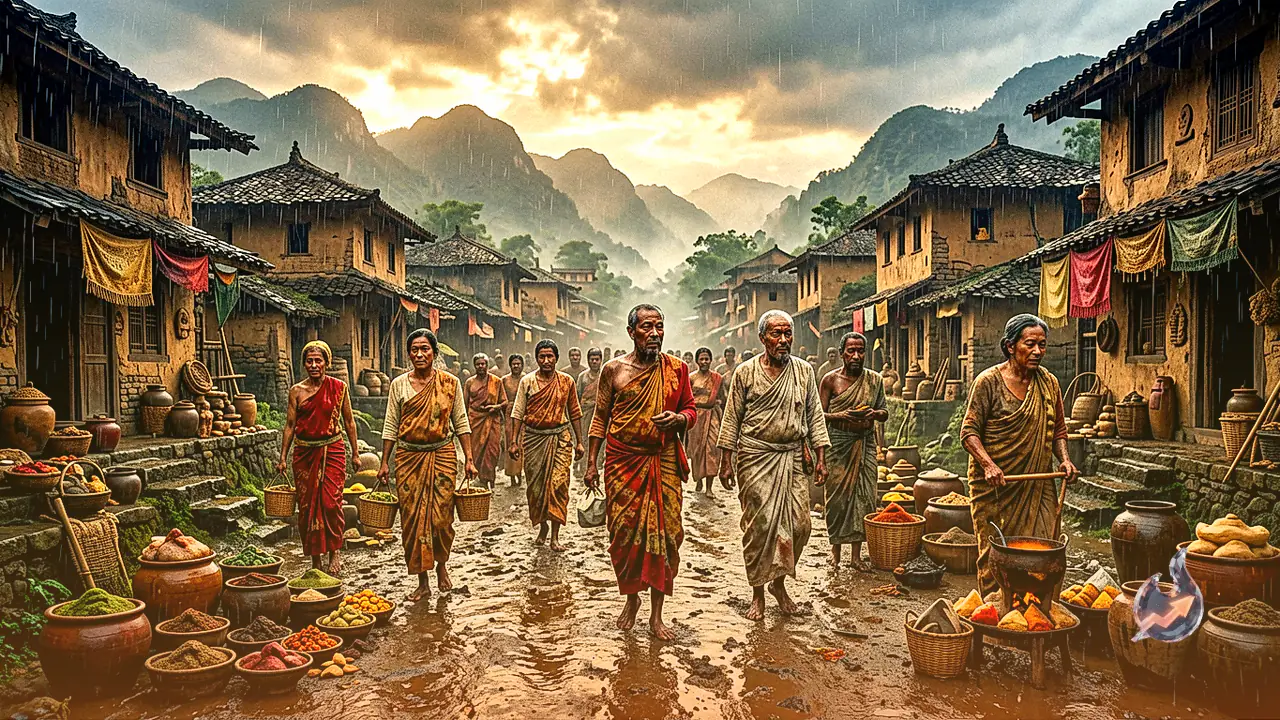
Chaturmas coincides directly with the peak of the Indian monsoon season. In ancient and medieval times, infrastructure such as paved roads, bridges, public transport, and modern amenities did not exist. Journeys across long distances had to be undertaken either entirely on foot or by basic bullock carts.
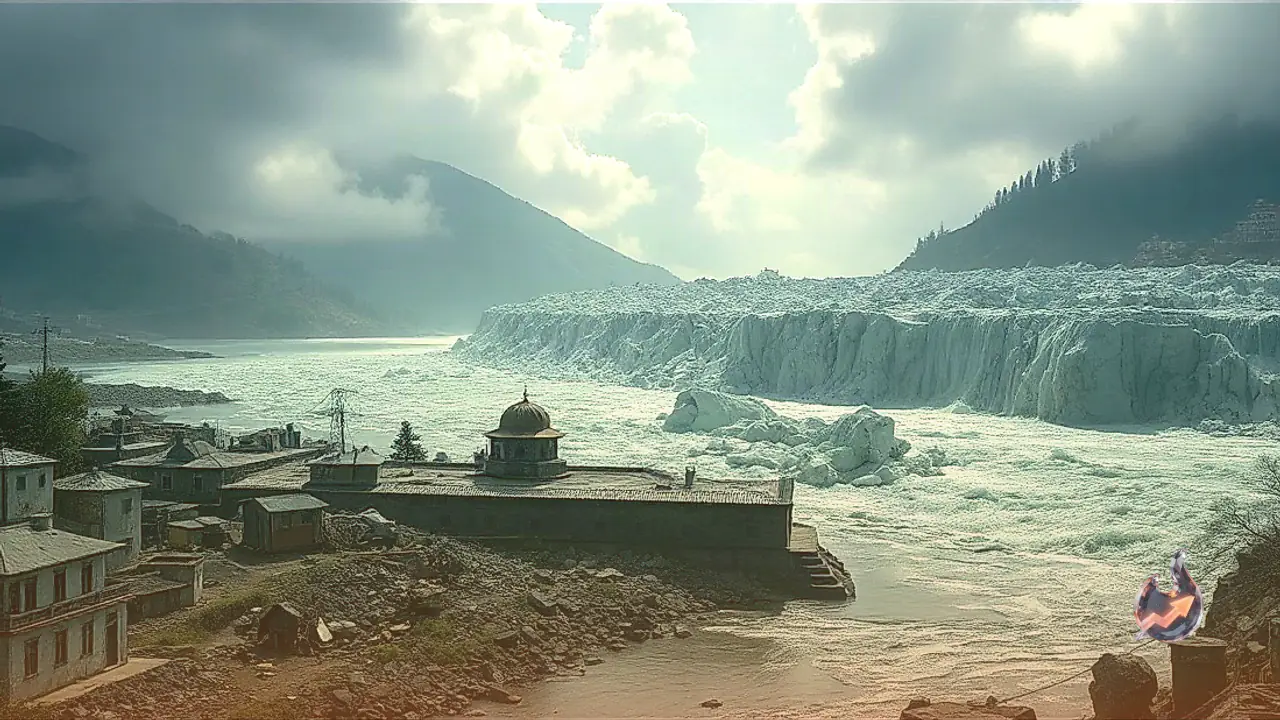
Heavy rainfall frequently led to overflowing rivers, flooded streams, muddy terrain, and treacherous forest passages. Attempting long journeys during this period exposed travelers to severe life-threatening hazards and loss of belongings. To protect human life from natural disasters and travel accidents, traditional codes advised individuals to avoid long journeys and instead focus on worshiping at home or within nearby neighborhood temples.
Environmental Protection and the Ethos of Ahimsa
The arrival of monsoon rains brings a sudden surge in biological activity, leading to the birth and emergence of countless small insects, worms, and micro-organisms across the soil and trails. During foot travel, walking along unpaved paths created a very high risk of accidentally stepping on and killing these delicate creatures.
In accordance with the fundamental spiritual principle of Ahimsa (non-violence), ascetics and devotees sought to avoid causing unintended harm to any living creature. Pausing travel during the monsoon served as a practical measure to protect micro-fauna and uphold ecological sensitivity, demonstrating a deep respect for all forms of life in nature.
Ayurvedic Wisdom and Seasonal Health Precautions
Beyond religious rituals, Chaturmas rules reflect sound medical principles rooted in Ayurveda. According to Ayurvedic science, high humidity and environmental shifts during the rainy season naturally weaken human digestive capacity (Pachan Shakti). Consequently, the monsoon season brings a heightened risk of gastrointestinal disorders, waterborne infections, and seasonal fevers.
In historic times, maintaining hygienic food and safe drinking water while traveling on foot was extremely difficult. Consuming contaminated water or spoiled food while on the road made travelers susceptible to serious illnesses. Therefore, dietary restraint, regular fasting, and minimizing physical travel were prescribed as preventive health measures to safeguard immunity and well-being.
Modern Travel Facilities and the Essence of Spiritual Journeys
Today, transportation infrastructure has undergone a massive transformation. Modern highways, rail networks, and air travel, along with organized accommodation and clean food facilities, have made travel during the rainy season safe and accessible. As a result, millions of pilgrims now travel to sacred sites during Chaturmas, participating in events like the Kanwar Yatra, Amarnath Yatra, visits to Ujjain Mahakal, and pilgrimages to Vrindavan.
Spiritual scholars and Dharmacharyas note that pilgrimage during Chaturmas is not forbidden under modern conditions. However, they emphasize that the fundamental purpose of Chaturmas remains an internal journey rather than mere physical travel. The true spirit of the season lies in self-restraint, devotion, and mental discipline. For those who choose to travel, adhering to rules of purity, discipline, and sincere devotion remains essential.