





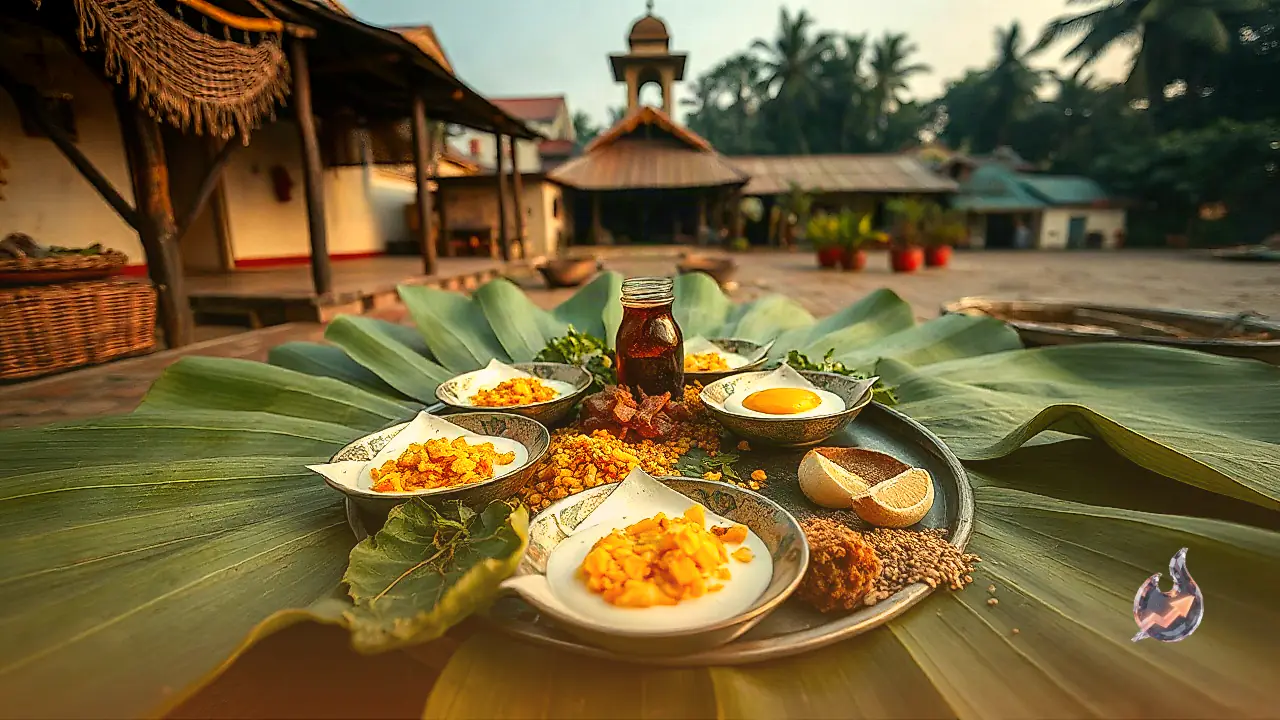















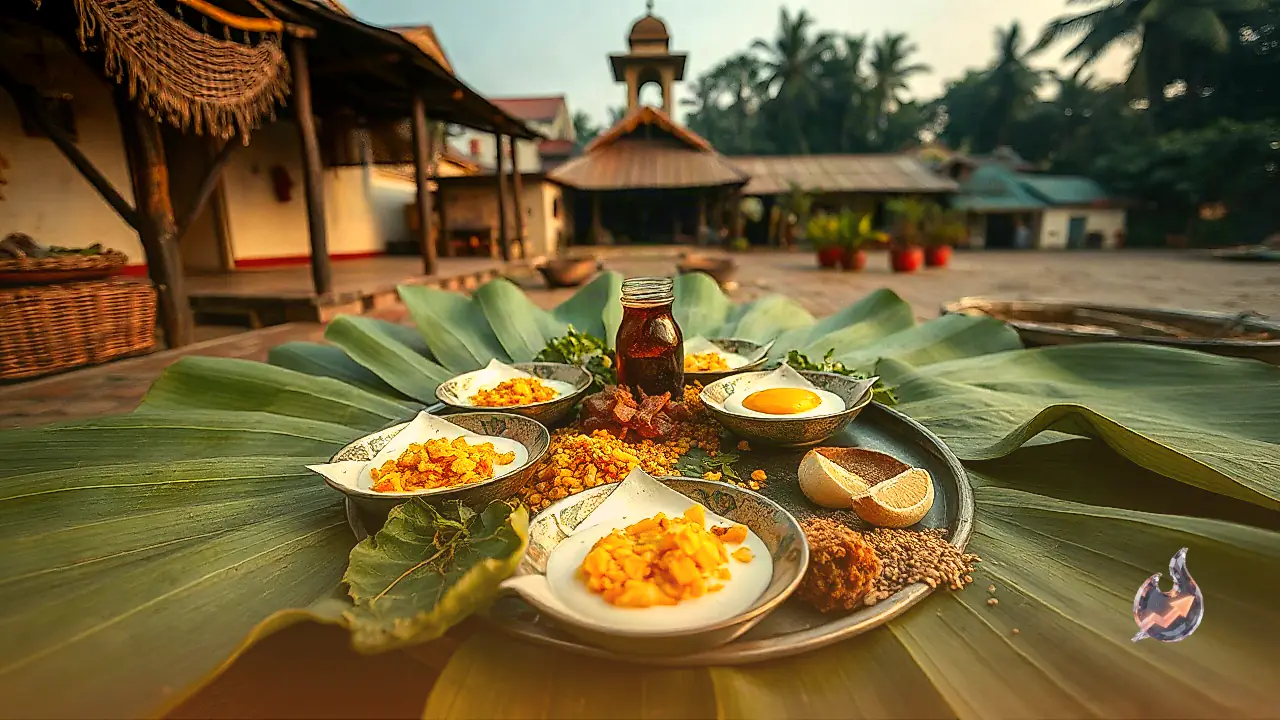

South India has preserved a remarkable culinary practice for centuries: serving meals on fresh green banana leaves. Whether you are attending a grand wedding in Tamil Nadu, a festive gathering in Kerala, a temple feast in Karnataka, or a traditional family lunch in Andhra Pradesh, this natural platter remains irreplaceable. Far from being a mere relic of the past, this customary practice represents a sophisticated blend of wellness, eco-conscious living, hygiene, and deep spiritual values.
Abundant Availability and Natural Adaptation
Climate conditions in the southern peninsula are highly conducive to banana farming, making these broad leaves an easily accessible and cost-effective resource. In historical times, long before stainless steel, melamine, or ceramic tableware became common household items, people relied heavily on nature's bounty. The large size and sturdy texture of the banana leaf made it the perfect natural plate to hold elaborate multi-course meals without spilling.
Flavor Enhancement through Natural Elements
One of the most fascinating aspects of this tradition is how it elevates the culinary experience. Banana leaves possess a thin, natural waxy coating on their surface. When piping hot delicacies like steamed rice, piping hot sambar, freshly prepared rasam, and assorted curries are placed onto the leaf, this wax layer melts subtly. The process releases a delicate, earthy fragrance that infuses directly into the food, significantly boosting its aroma and overall taste profile.
Ultimate Hygiene and Safety
Since each leaf is utilized exactly once and then discarded, the system completely eliminates the risk of bacterial contamination that can occur with improperly washed reusable plates. Diners simply sprinkle a little water to rinse the dust off the fresh leaf right before the meal is served. This ritual offers a simple, highly effective, and entirely hygienic dining solution that keeps health risks at bay.
Eco-Friendly Alternative to Modern Waste
In an era where plastic plates and thermocol cups present a severe threat to global ecosystems, banana leaves stand out as a perfect ecological choice. Being purely organic, they decompose naturally and quickly once discarded. They blend back into the soil without leaving any toxic residue, making them an exemplary model of zero-waste, sustainable living that protects our planet.
Cultural Divinity and Warm Hospitality
Within South Indian culture, the banana plant is revered as a potent symbol of growth, prosperity, and good fortune. Its leaves play an indispensable role in temple rituals, sacred offerings, and auspicious household ceremonies. Serving a guest on a fresh banana leaf is considered an act of deep reverence, conveying heartfelt blessings and warm hospitality from the host.
Unmatched Efficiency for Grand Feasts
Managing food service for thousands of attendees at weddings, community festivals, or temple congregations is a massive logistical challenge. Utilizing banana leaves simplifies this process immensely. They require zero washing beforehand and can be gathered and composted effortlessly afterward, saving immense amounts of water, labor, and time while remaining highly cost-efficient.