





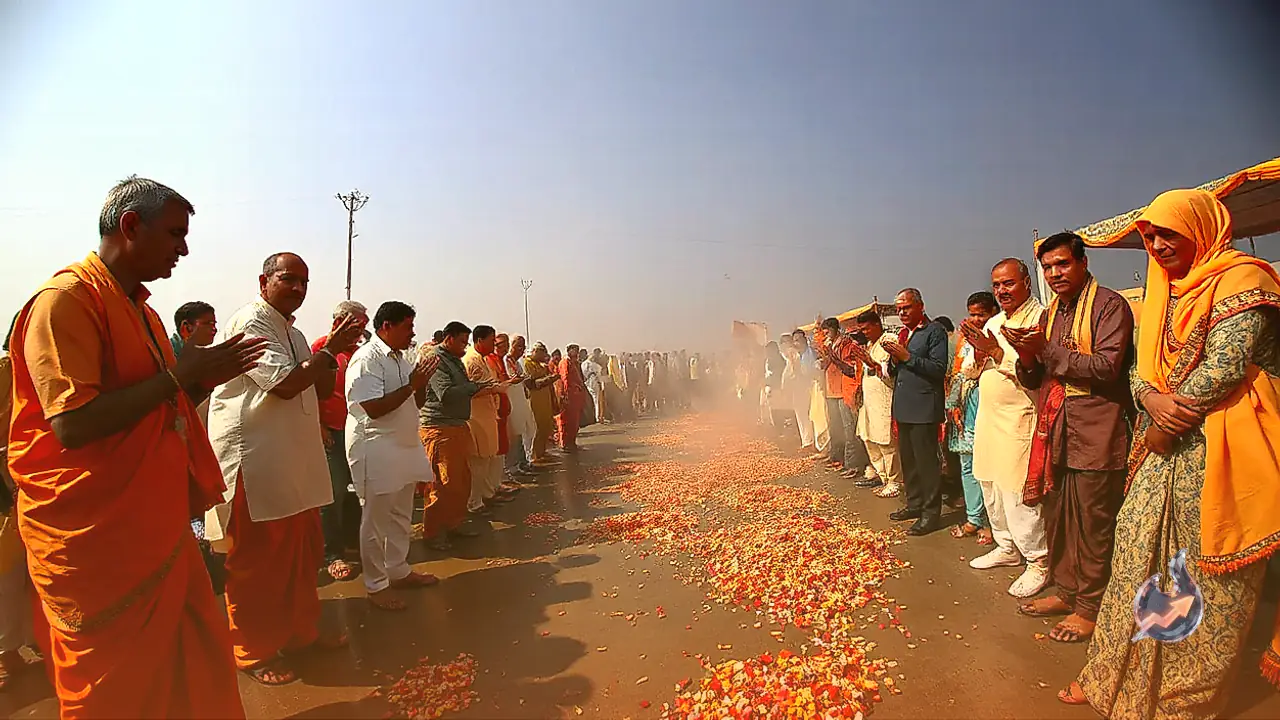

















The arrival of the holy month of Kartik sets off extensive spiritual preparations across households and temples for the auspicious observance of Tulsi Vivah. On this sacred day, devotees formally conduct the ceremonial wedding of Lord Shaligram, the iconic manifestation of Lord Vishnu, with the sacred Tulsi plant. The ritual mirrors an authentic traditional Indian wedding, featuring elaborate decorations, chants, and an array of seasonal agricultural offerings. Among the items chosen for the ceremony, the construction of a sugarcane canopy along with offerings of amla and water chestnuts holds extraordinary cultural and religious prominence. These particular elements are not accidental choices, they reflect a deep harmony between agricultural cycles, nature worship, and ancient scriptures.
The Symbolism and Structure of the Sugarcane Mandap
In traditional Hindu weddings, the mandap or wedding pavilion represents the sanctified ground where the vows are solemnized under the witness of sacred fire and divine energies. During Tulsi Vivah, this pavilion is created entirely using fresh sugarcane stalks. Devotees position long sugarcane stems at the four corners around the Tulsi planter, bending and binding them at the top to form an arching canopy. This structure is subsequently adorned with fresh flower garlands, traditional hangings, and a red chunri. Pandit Santosh Shukla explains that this sugarcane canopy serves as the formal marital pavilion, ensuring the divine union of Mata Tulsi and Lord Shaligram takes place in full ceremonial honor.
Beyond its architectural role in the ritual, sugarcane is also offered as sacred food or naivedya. The timing of Tulsi Vivah coincides with the beginning of the annual sugarcane harvest in the month of Kartik, when fresh canes arrive in local markets. Traditional Vedic culture dictates that the very first yield of any new seasonal harvest must be presented to the Almighty before personal consumption. Moreover, sugarcane embodies intense sweetness, rendering it an enduring symbol of sweetness in married life, prosperity, domestic harmony, and agricultural bounty.
Water Chestnuts and the Expression of Gratitude to Nature
The presentation of singhara, commonly known as water chestnut, is another central ritual practice during Tulsi Vivah. Water chestnuts thrive in wetlands and shallow waters, reaching complete maturity precisely around the onset of early winter during Kartik. The inclusion of this unique aquatic fruit in worship directly reflects the seasonal rhythm of nature.
Hindu festive traditions have historically maintained a close bond with environmental cycles, mandating the worship of deities with whichever grains and fruits the earth provides in that specific season. Offering the newly gathered water chestnuts serves as a collective expression of thankfulness to the water bodies and the earth for providing nourishment. Depending on distinct regional customs and family heritages, the preparation of singhara varies. While several communities place fresh, uncooked green water chestnuts on the altar, others steam them gently and blend them into the festive prasad platter before offering them to the divine couple.
Religious Significance of Amla During the Kartik Observances
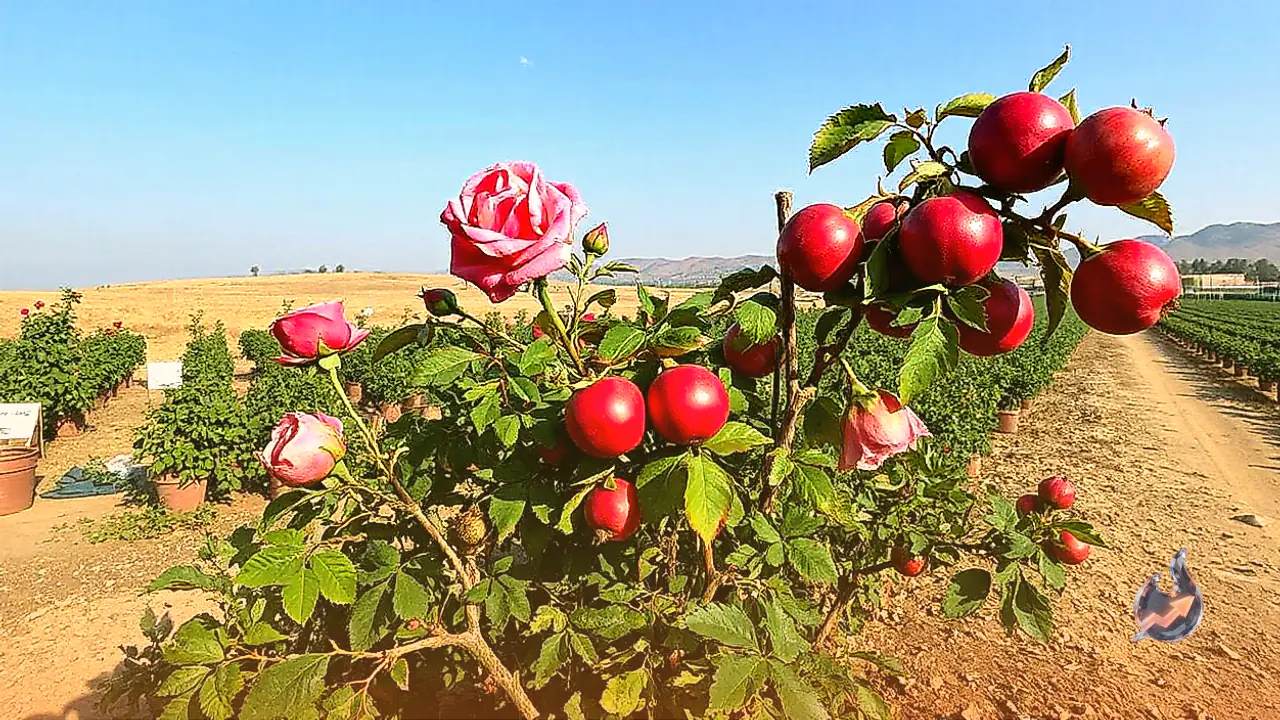
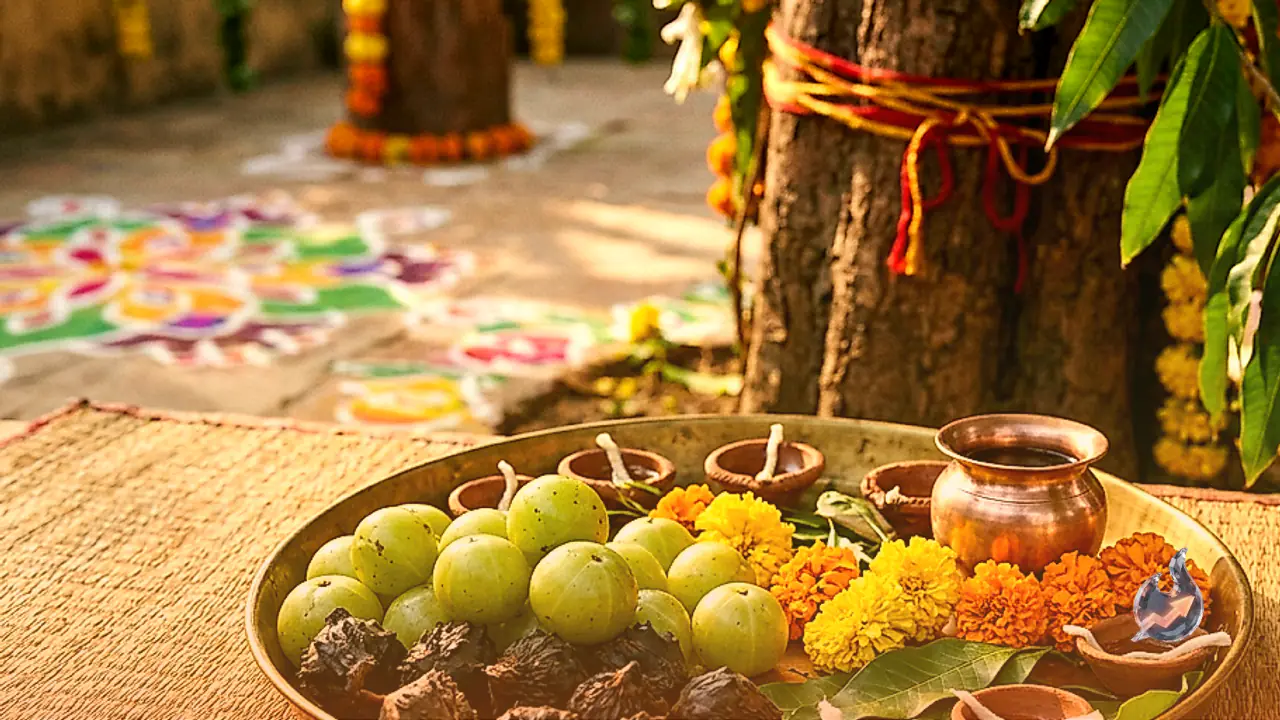
Amla, or the Indian gooseberry, commands immense reverence throughout the month of Kartik, making its presence indispensable during Tulsi Vivah. The harvesting period of amla commences around this time of year, directly linking it to the worship practices dedicated to Lord Vishnu. Scriptural narratives extol amla as one of the purest and most meritorious fruits, believed to house benevolent divine energies.
The religious importance of amla is prominently visible during this festive period, notably through traditions like Akshaya Navami or Amla Navami, where devotees venerate the amla tree and consume food under its canopy. Offering fresh amla during Tulsi Vivah harmoniously aligns with this broader devotional framework. Once sanctified on the altar of Lord Shaligram and Tulsi, the fruit is distributed among devotees as prasad, symbolizing health, vitality, spiritual merit, and protection against the impending winter chill.
The Direct Connection Between Rituals and Seasonal Harvests
Examining the elements of Tulsi Vivah reveals that religious rituals in ancient India were fundamentally designed to celebrate natural cycles and sustain rural agrarian rhythms. The festive combination of sugarcane, singhara, and amla forms a bridge between spirituality and seasonal awareness.
- Sugarcane: Denotes the arrival of the new cash crop, represents marital sweetness, and constructs the holy nuptial pavilion.
- Water Chestnut: Serves as a fresh seasonal aquatic fruit, honoring water resources and expressing gratitude for winter produce.
- Amla: Aligns with Kartik month worship, honoring medicinal longevity and the divine heritage of Amla Navami.
By bringing these three seasonal gifts into the sacred perimeter of the wedding ceremony, the tradition reminds practitioners to maintain profound respect for ecological abundance while celebrating spiritual devotion.