
















How much space do plant roots actually need inside a container? Every plant requires a varying amount of room for its roots to expand and grow properly. This requirement depends entirely on the plant variety, its overall growth rate, and the specific structure of its root system. For instance, smaller crops like coriander, spinach, and lettuce can thrive comfortably in shallow pots, whereas larger specimens such as tomatoes, peppers, lemons, and others demand significantly more space. When selecting a container, one must evaluate not just the width but also the depth. Certain plants develop roots that push straight down into the soil, while others spread outward horizontally. Consequently, picking a container that matches the unique needs of the plant is always the best approach.
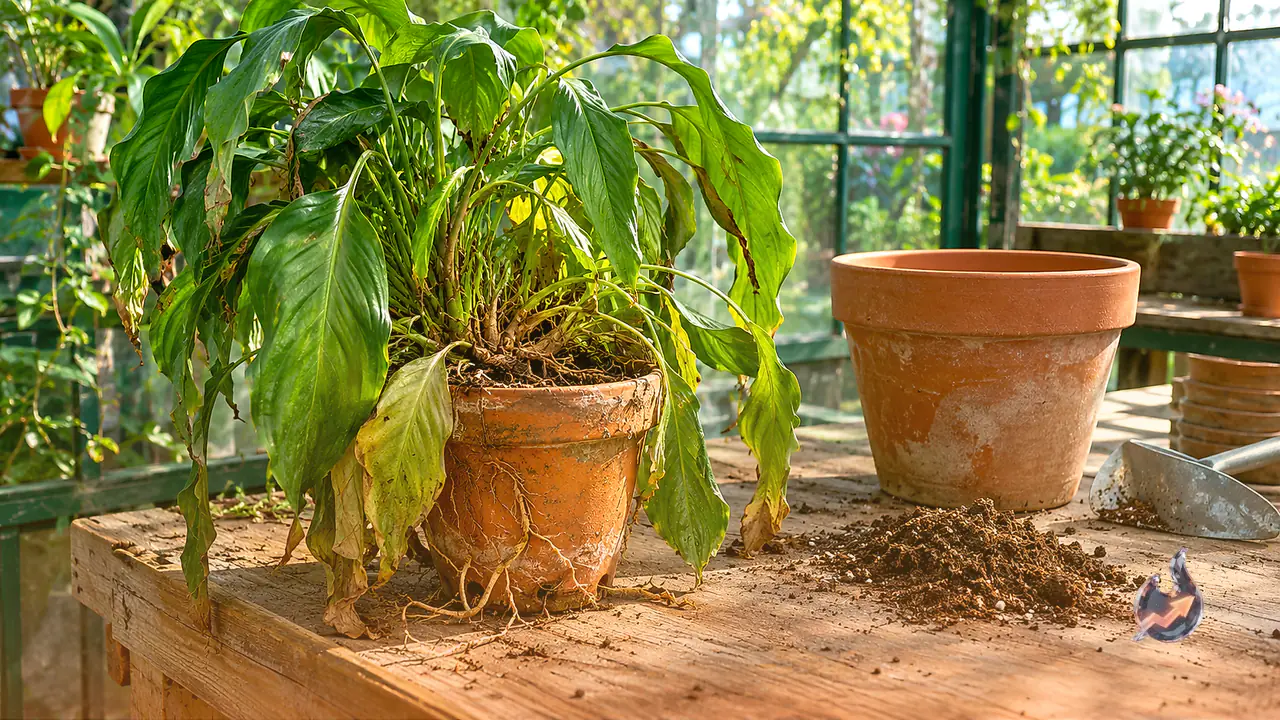
How can you identify the moment a container has become too small for a plant? The primary indicator is when roots begin emerging from the drainage holes at the bottom of the pot. If roots become visible outside these holes, it serves as a sign that the interior space is no longer sufficient. However, catching a glimpse of just one or two stray roots does not automatically mean you need to repot the plant immediately. Inspecting the entire condition of the root system is a far more reliable method.
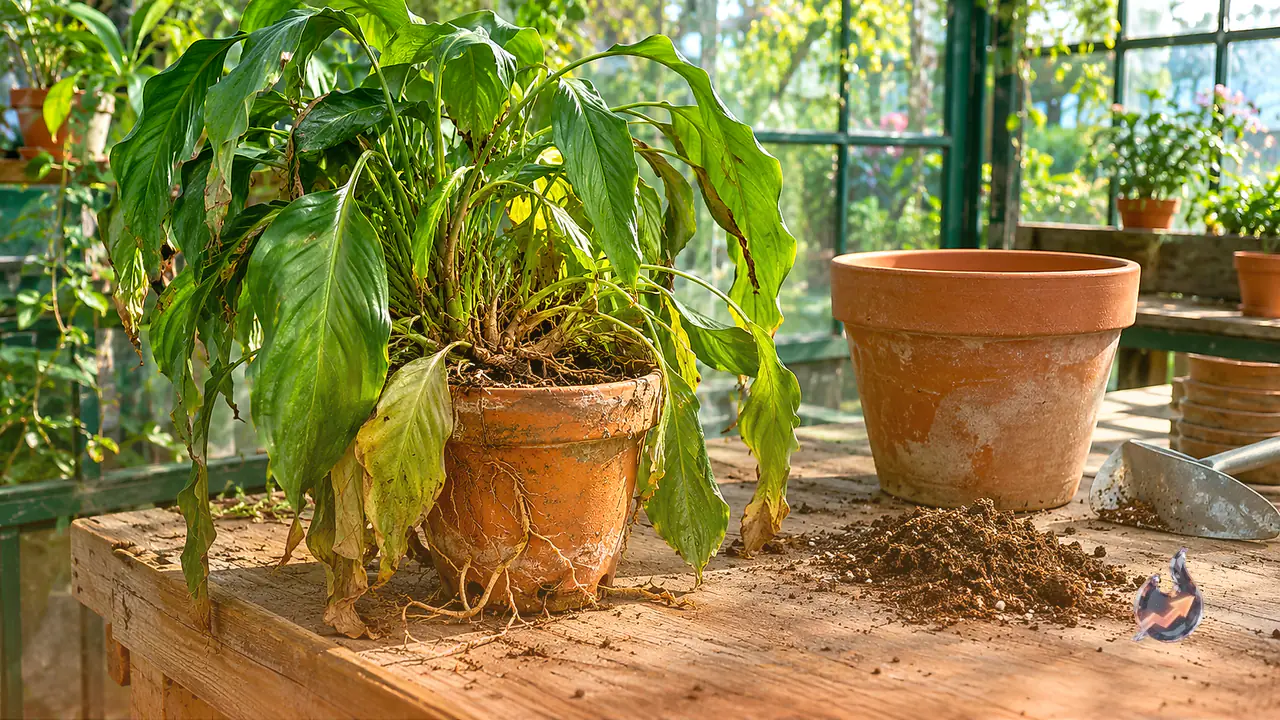
A second major sign occurs when roots start becoming overly visible on the top layer of the soil. If you scrape away a bit of surface soil and find a dense web of roots everywhere, the plant is likely root-bound. This condition means that the root system has filled up almost all the available volume inside the container, leaving very little room for further expansion or nutrient absorption.
The third clear warning sign is when the soil dries out very quickly despite regular watering. Do you water your plant only to notice the soil looking dry again shortly afterward? Such rapid drying can happen due to excessive root growth. When roots outnumber the soil volume inside the pot, there is minimal space left for moisture to remain retained.
The fourth symptom is a noticeable halt in the plant growth. Even when weather conditions and sunlight exposure are ideal, if the plant fails to produce new leaves, if branch development slows down drastically, or if the emerging leaves are smaller than usual, restricted root space could be the underlying culprit.
The fifth warning sign is when the plant begins to wilt repeatedly. Despite the soil retaining sufficient moisture, if the leaves keep drooping down or recover for only a brief period after watering, checking the root health becomes essential. Nevertheless, overwatering, root rot, and pest infestations can also trigger similar symptoms. Therefore, changing the container blindly without a proper inspection is never advisable.
When you need to examine the roots, the process should be done without causing unnecessary stress to the plant. First, moisten the soil slightly to ease the process. Second, gently tilt the container and slide the plant out along with its root ball and surrounding soil. Third, observe whether the roots are circling tightly around the edges of the soil mass. Fourth, if the root mass is extremely dense and very little soil remains visible, the plant likely requires a larger pot. Fifth, if the roots still occupy comfortable space, do not repot simply because a couple of roots escaped outward. Sixth, while extracting the plant, support the soil surrounding the roots carefully rather than pulling directly on the stem.
When purchasing a replacement container, specific factors deserve attention. Moving a plant into a larger pot does not imply buying the biggest available option in the market. Excessively large containers hold an enormous volume of extra soil that stays wet for prolonged periods, raising the risk of root decay. A new pot should only be slightly larger than the previous one and must feature adequate holes for proper water drainage. While settling the plant into fresh soil, avoid packing the roots down too tightly and maintain the stem at its original planting depth.
Is it mandatory to repot every plant on an annual basis? The answer is no, as not every plant requires a shift to a larger container every single year. Certain varieties grow quite successfully in compact containers, whereas fast-growing plants may demand larger pots much sooner.