






















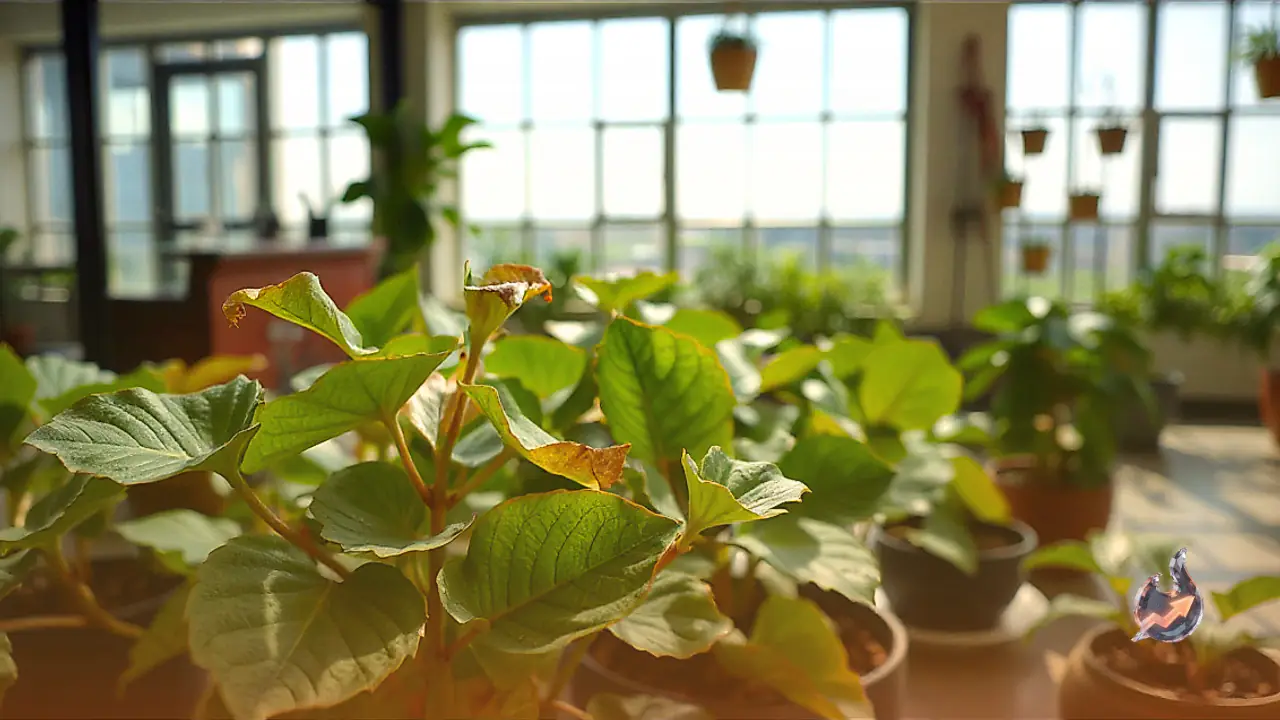

Seeing greenery thrive inside the house brings immense joy, and watching fresh leaves sprout on a potted plant is always a rewarding experience. However, on numerous occasions, these tender new leaves fail to unfurl properly and instead emerge twisted, crumpled, or tightly curled. When faced with this sight, the immediate thought that crosses a gardener's mind is whether pests have invaded the foliage. Tiny insects like aphids, thrips, and spider mites are notorious for attacking fresh growth and causing severe damage to developing foliage.
Despite this common assumption, leaf curling is not always an indication of a pest attack. Environmental stress, inadequate water supply, excessive heat, root congestion, or nutritional deficiencies can also trigger the exact same symptoms. Identifying the precise root cause is vital to ensure the plant receives the correct treatment rather than falling victim to trial-and-error remedies that might worsen its health.
Common Pests That Target New Plant Growth
If the newly emerging leaves on your plant start shriveling before they even fully open, lose their natural shape, or curve downward, inspecting for insects should be your very first step. Several tiny organisms feed exclusively on the sap of young, tender leaves, disrupting their natural cellular development and stunting their growth entirely.
Aphids represent one of the most frequent culprits, appearing as minuscule green, black, or yellow insects. They typically cluster underneath leaves, along tender shoots, and around soft stems where they remain hidden from plain view. A heavy infestation often leads to distorted new leaves accompanied by a sticky residue left behind on the surface, which frequently attracts ants wandering nearby.
The Impact of Thrips and Spider Mites
Thrips are another category of microscopic, slender insects that wreak havoc by feeding on both the upper and lower surfaces of leaves. Their feeding habits leave behind distinctive silvery scars, tiny black specks, and a conspicuously warped growth pattern that ruins the aesthetic and health of the plant.
Spider mites, on the other hand, are so infinitesimally small that spotting them with the naked eye proves quite challenging. Their attack typically manifests as speckles of yellow or white dots scattered across the foliage. If the infestation progresses unchecked, leaves can dry out completely. Furthermore, a very fine, delicate webbing often becomes visible near the affected new leaves and branches.
Non-Pest Reasons Behind Leaf Curling
When thorough inspection reveals no insects or webs, the underlying cause of the curling foliage points toward environmental or cultural factors. Providing insufficient water prevents new leaves from expanding properly, while overwatering suffocates the roots by depleting oxygen within the soil, ultimately triggering root rot. This root damage immediately reflects on the fresh growth above. Checking solely the topmost layer of soil before watering is misleading; moisture levels must be assessed according to the specific needs and variety of the plant.
Exposing a plant to sudden harsh sunlight or intense heatwaves can likewise cause leaves to curl inward. Potted plants are especially vulnerable because the soil inside containers heats up and dries out much faster. If multiple plants show simultaneous leaf curling alongside neighboring vegetation, environmental temperature and light exposure demand immediate attention.
Nutritional Factors and Root Constraints
While plants inherently require nutrients to flourish, applying fertilizer repeatedly without any genuine agronomic need can backfire. Over-fertilization elevates soluble salt concentrations in the soil, which burns and damages delicate root structures. Pinpointing a nutritional deficiency cannot rely on leaf curling alone; overall plant behavior and soil condition must be evaluated together.
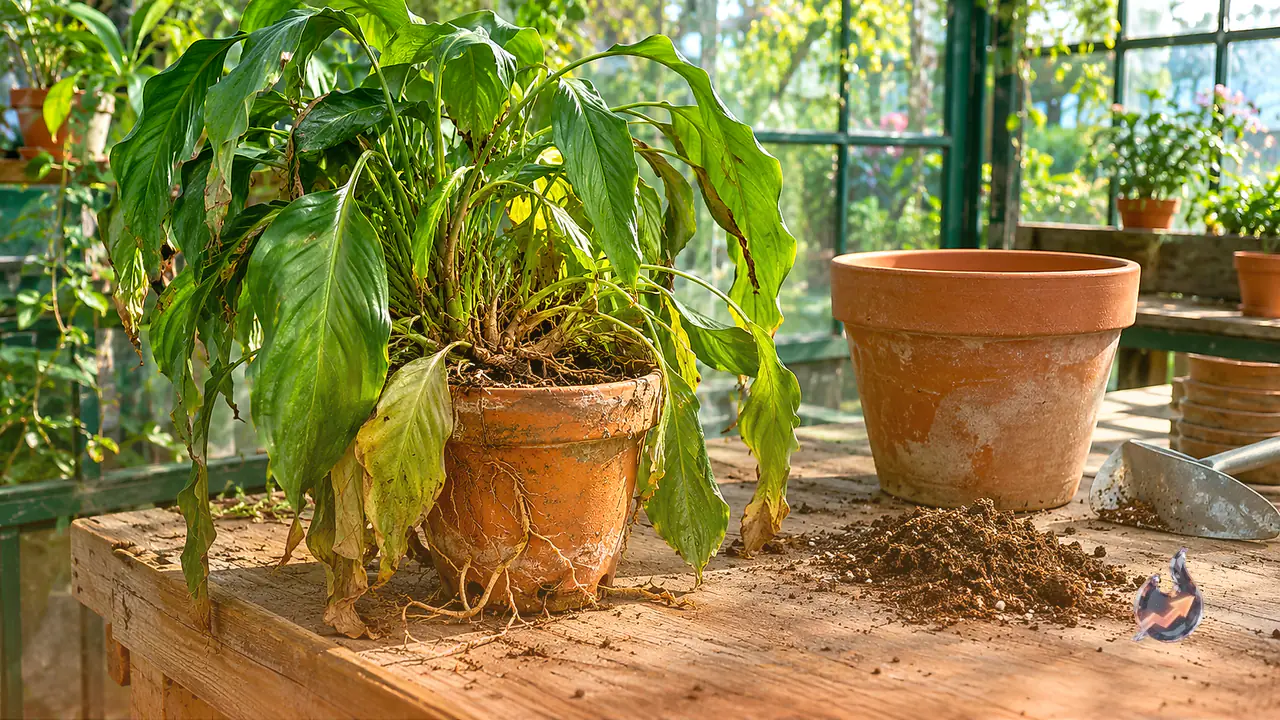
Prolonged water retention in the potting mix, blocked drainage holes, or severe rootbound conditions where roots completely outgrow the container will severely stunt development. Under such restrictive conditions, newly sprouted leaves invariably emerge undersized, weak, or distinctly deformed.
Effective Steps When New Leaves Curl
Whenever you notice curling new foliage, begin by carefully examining the undersides of leaves and tender stems. Should you spot pests, isolate the affected pot immediately away from other healthy plants to halt the spread. For mild infestations, washing the bugs away with a strong stream of water can prove effective. If necessary, apply a safe, label-approved insecticidal soap specifically formulated for plants, always testing its reaction on a tiny leaf patch first.