






















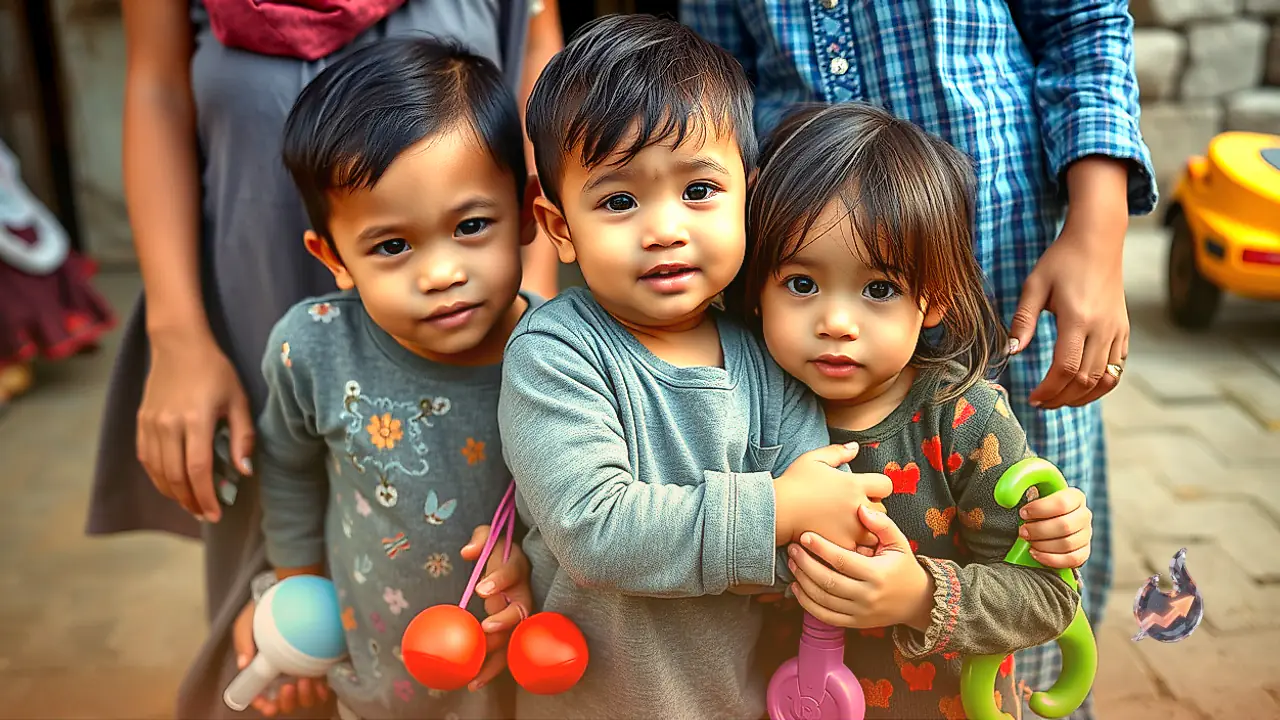

It is a common scenario in households with toddlers and young children: a child flatly refuses to hand over a toy, rushes to reclaim a book the moment a sibling touches it, or fiercely declares that every item in sight belongs exclusively to them. Faced with these possessive outbursts, parents frequently jump to the conclusion that their child is becoming obstinate, selfish, or incapable of generosity. However, this protective behavior is seldom an indicator of stubbornness or poor character. In early childhood, toddlers are undergoing a fundamental developmental phase where they are just beginning to comprehend the concept of ownership and distinguish between what belongs to them and what belongs to others. Simultaneously, they are learning how to voice their preferences, exercise the patience required to wait for their turn, and recognize the feelings and needs of people around them.
The Core Reasons Behind a Child's Territorial Nature
To an adult, a toy car, a stuffed animal, or a picture book is simply an ordinary plaything, but to a young child, these objects represent security and deep emotional attachment. When another person picks up their cherished item, the child can experience genuine distress and anxiety. A significant driver of this possessiveness is the underlying fear of permanent deprivation: young children often lack the conceptual maturity to understand that lending an object does not mean losing it forever. They worry that once a possession leaves their hands, it will never be returned. As children grow older and their cognitive capacities mature, they gradually master self-regulation, learn to take turns cooperatively, and become comfortable sharing their environment. Consequently, when a toddler repeatedly asserts ownership, labeling them as stubborn is counterproductive. Parents should instead observe the specific triggers and understand the emotional context of that moment.
Household Conversations That Can Reinforce Possessive Anxiety
While teaching children to care for their personal belongings is an essential life lesson, the manner and language adults use to convey this message carry immense weight. For instance, if a child constantly hears warnings at home such as instructing them never to let anyone touch their toys, cautioning that someone will take their things away, or urging them to guard their possessions vigilantly, they naturally develop an exaggerated sense of defensiveness around their peers. Hearing such remarks occasionally will not instantly ruin a child's social habits, but repeatedly instilling the fear of loss cultivates persistent anxiety about personal belongings.
Conversely, the daily habits demonstrated by family members heavily influence how children view boundaries. If adults in the household frequently take and use each other's items without asking for permission, the child absorbs that behavior as the standard norm. They may conclude that taking items at will is acceptable, while simultaneously feeling the need to guard their own possessions aggressively. It is therefore vital for parents to demonstrate that sharing is a positive act, while equally emphasizing that borrowing another person's property strictly requires obtaining their prior consent.
Practical Strategies to Guide Children Toward Sharing Willingly
Helping a child develop a spirit of sharing requires patience, empathy, and consistent guidance rather than punitive measures or forced compliance.
Provide Choices and Time Limits Rather Than Forcing Compliance
When a child resists parting with a toy, physically snatching it from their grip to hand it to another child is one of the most counterproductive responses. Forcible confiscation leaves the child feeling helpless, breeds resentment, and intensifies their determination to cling tighter to their belongings next time. Instead, parents should offer calm alternatives by setting a clear timeframe. Suggesting that the child may continue playing until their current turn is complete, after which the toy can be passed to their sibling or friend, provides a structured resolution. This approach reassures the child that their autonomy is respected while teaching them the rhythm of taking turns.
Serve as a Visible Role Model for Generosity
Children learn far more through observation than through verbal instructions. When parents actively model sharing in daily routines, such as dividing food items, assisting others, and paying mindful attention to family members' needs, children naturally emulate those behaviors. Furthermore, when adults make a conscious effort to politely ask permission before using someone else's belongings, children internalize respect for personal boundaries as a standard household practice.
Praise and Reinforce Every Act of Voluntary Sharing
Whenever a child willingly offers a toy to a playmate or steps aside after finishing their turn, parents should immediately offer specific, enthusiastic praise. Commending them for waiting their turn and sharing graciously helps the child connect generosity with positive affirmation. Acknowledging their kindness reinforces the understanding that being considerate of others is a valued and rewarding social behavior.
Respect the Child's Right to Private Possessions
Expecting a child to share every single object in their possession is unrealistic and unfair. Just as adults maintain private possessions that are not open for public borrowing, children often possess a few deeply cherished items that bring them comfort and security. Parents should honor these emotional attachments and work with the child to distinguish between communal items suitable for group play and special keepsakes that may remain private. Recognizing a child's personal boundaries is essential because children who feel their own boundaries are respected are far more capable of respecting the boundaries of others.
Treating a Child's Reluctance as a Learning Curve
Ultimately, a child's occasional refusal to hand over an item should not be interpreted as willful defiance or bad manners. The crucial developmental goal is to ensure that the child refrains from snatching items from others and learns to communicate their feelings constructively. By balancing the teaching of generosity with respect for personal boundaries, parents can help their children grow into cooperative, empathetic, and confident individuals.