







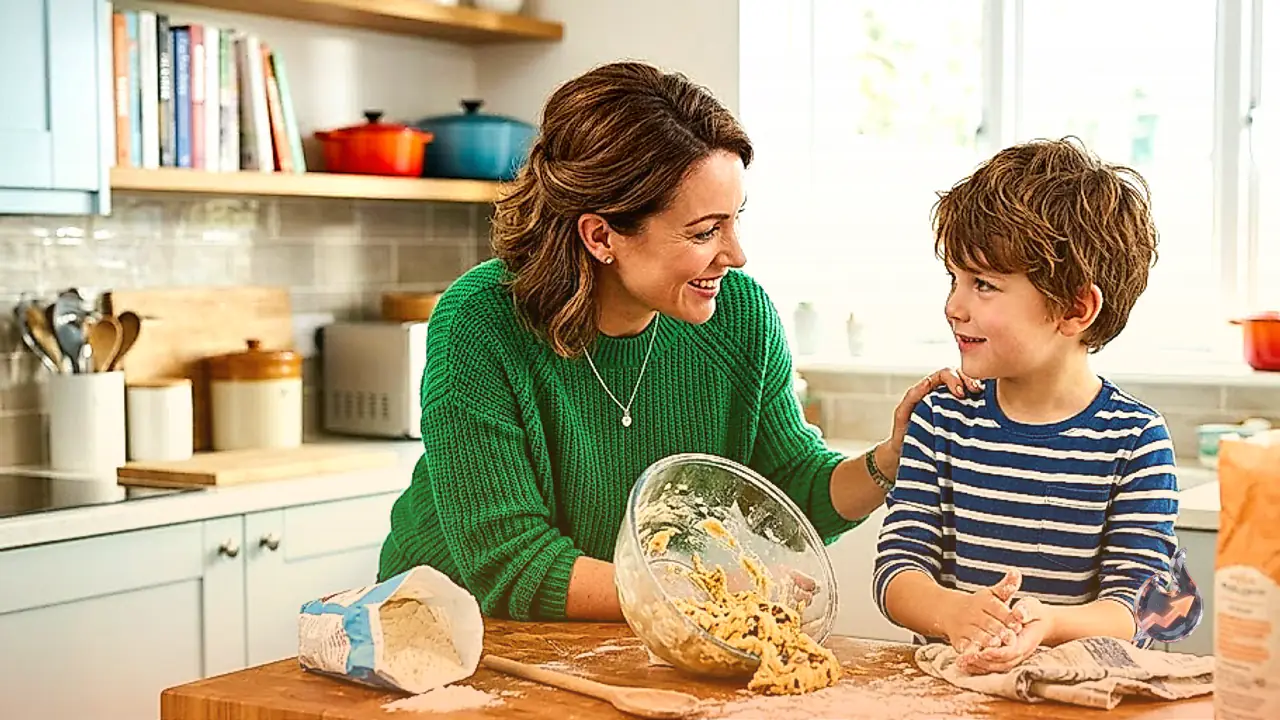
















Positive parenting focuses on understanding rather than strict scolding to build a strong bond with children. Every parent wants their child to stay happy, grow up confident, and understand the difference between right and wrong. However, in the daily rush and routine stress, anger often slips out over minor mistakes. When a child throws a tantrum, disobeys, or does something parents dislike, pausing for a few moments instead of shouting or repeatedly scolding makes handling the situation much easier.
Positive parenting does not mean giving children absolute freedom to do whatever they want; rather, it means teaching discipline wrapped in respect and understanding. Simple daily adjustments can help create a better relationship with children without requiring any special preparation, fitting right into everyday family life.
1. Pause for a Few Seconds Before Reacting
Taking a pause of a few seconds instead of immediately getting angry at a child's actions can be extremely helpful. Often, a child is not creating trouble on purpose, but simply behaving according to their age and understanding. For instance, if a child spills water while playing, instead of shouting instantly, first ask how it happened. A calm reaction gives the child a chance to understand their mistake and prevents a normal situation from turning into an unnecessary argument.
2. Maintain Discipline While Keeping Your Voice Calm
Teaching rules to children is essential, but instilling every rule through fear is the wrong approach. Set clear rules at home and explain to the child why they need to be followed. If a child is running indoors, instead of just saying do not run, explain that walking slowly inside prevents injuries. This way, rather than simply stopping the child, they also learn what is expected of them and the reasoning behind it.
3. Avoid Scolding Children in Front of Others
Repeatedly pointing out a child's mistake in front of family members or friends can make them feel humiliated and gradually damage their confidence. Therefore, addressing issues in a private and calm environment works much better. At the same time, when a child makes a positive effort, do not hesitate to praise them. Short phrases like you did great or working hard on this is wonderful give children the encouragement they need to keep trying.
4. Choose Your Words Carefully When Talking to Children
In parenting, what parents want to convey matters, but how they phrase it is equally important. Repeatedly using phrases like you always do this or you never listen to me can leave a negative impact on a child's mind. Instead, focus on a specific behavior, such as telling them that they did not listen today so they should listen first next time. This gives the child a clear opportunity to correct their mistake.
5. Do Not Hesitate to Apologize If You Lose Your Temper
Parents are human too, and mistakes can happen to them. If voices were raised in anger or a child was scolded more than necessary, there is no need to hesitate in apologizing later. When parents admit their mistakes, children learn that accepting a flaw is not a sign of weakness. This improves communication at home and builds the child's trust that their parents truly value their feelings.
Positive parenting is not a technique adopted in a single day, but something built through everyday habits. Listening to children, staying calm during mistakes, using the right words, and acknowledging their genuine efforts can strengthen family relationships. While reacting perfectly every time is not always easy, a little conscious effort can certainly make the home environment more relaxed and trusting.