
The recent slump in gold prices has provided substantial financial relief to households making wedding preparations in the hilly regions of Uttarakhand, particularly across Bageshwar district. In hill culture, gold jewellery is far more than a simple aesthetic accessory; it serves as a cherished family tradition, a mark of social prestige, and a reliable financial safety net during difficult times. Purchasing gold during marriages, engagements, and auspicious festivals is deeply rooted in local customs. The current price decline enables families to acquire heavier gold ornaments or fulfill their long-planned purchase lists without exceeding their established budgets.
Wedding Budgets and the Cultural Role of Jewellery
According to local Bageshwar jeweler Kanhaiya Verma, there is a long-standing tradition in hill society of gifting gold ornaments to daughters during their marriage. Key pieces include the traditional nath (nose ring), mangalsutra, heavy necklaces, jhumkas (earrings), maang tikka, bangles, and rings. Depending on their economic standing, families often craft these items using heritage designs passed down across generations. In many households, preserving ancestral jewellery to hand down to the next generation remains a vital practice. Consequently, fluctuations in gold prices exert a direct and immediate impact on overall wedding finances.
Challenges Faced During Price Spikes and Market Adaptation
Verma points out that elevated gold rates pose severe budget challenges for middle-income and lower-income families. When prices peak, buyers are frequently forced to make compromises by reducing the weight of intended ornaments. Many opt for lightweight alternatives instead of traditional heavy necklaces and bangles, while others choose to melt down older family jewellery to craft modern designs. This compromise often strains the allocation of funds reserved for other essential wedding arrangements. The recent reduction in gold rates offers welcome leeway, permitting families to buy full-weight items or stick comfortably to their original shopping plans.
Rural Buying Preferences and Essential Guidelines for Customers
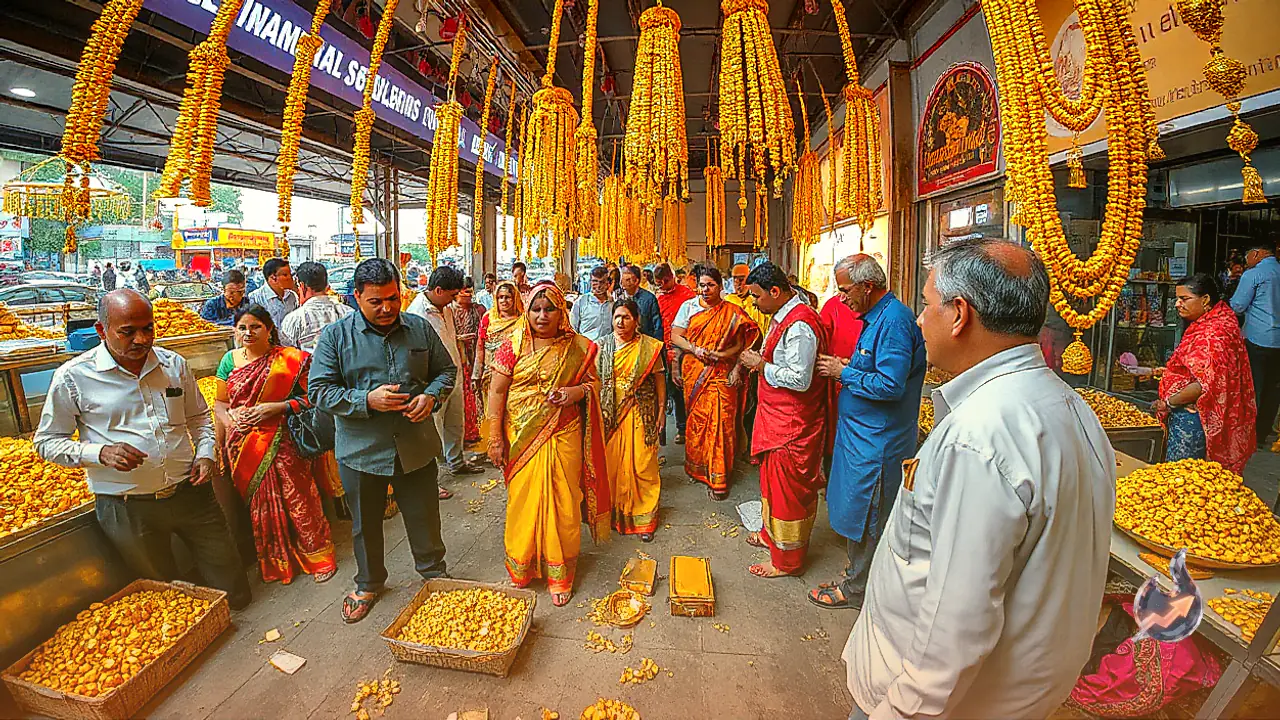
During the peak marriage season, jewelry markets across Bageshwar and neighboring rural belts witness a significant surge in consumer activity. Rural households overwhelmingly favor traditional and heritage patterns over modern minimalist designs. Easing gold prices make it considerably simpler for these families to secure their preferred jewelry items. However, Kanhaiya Verma urges consumers to exercise due diligence while making purchases. He emphasizes that shoppers should not rely solely on daily market rates, but must carefully verify gold purity, hallmark certification, and the 6-digit HUID number. Buyers should also inspect the exact item weight, daily per-gram price, GST breakdown, and making charges, comparing bills across different outlets as making charges can vary significantly.