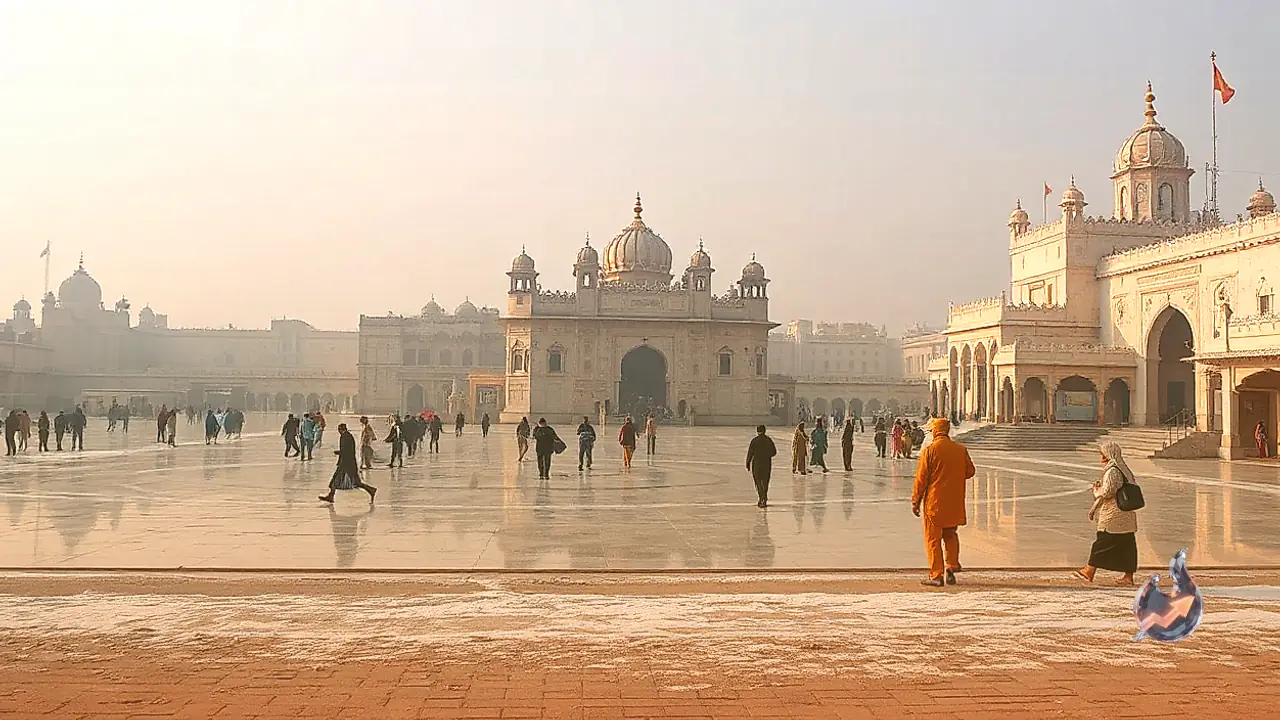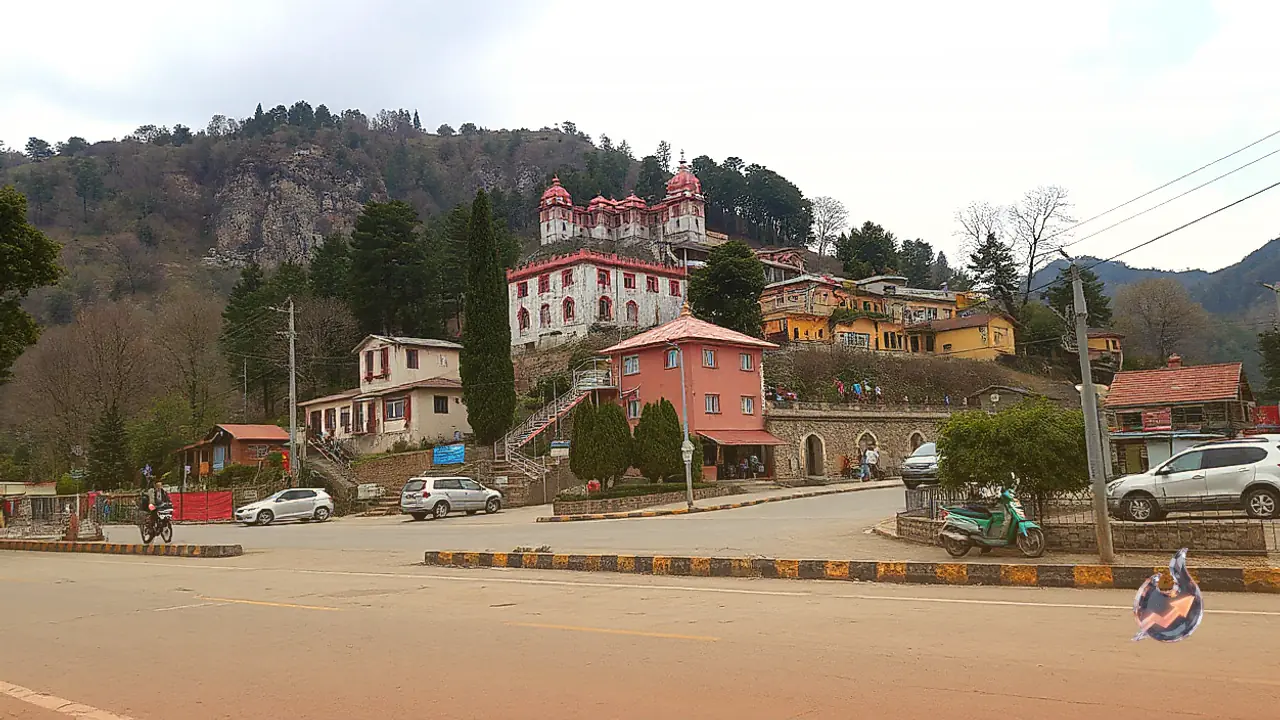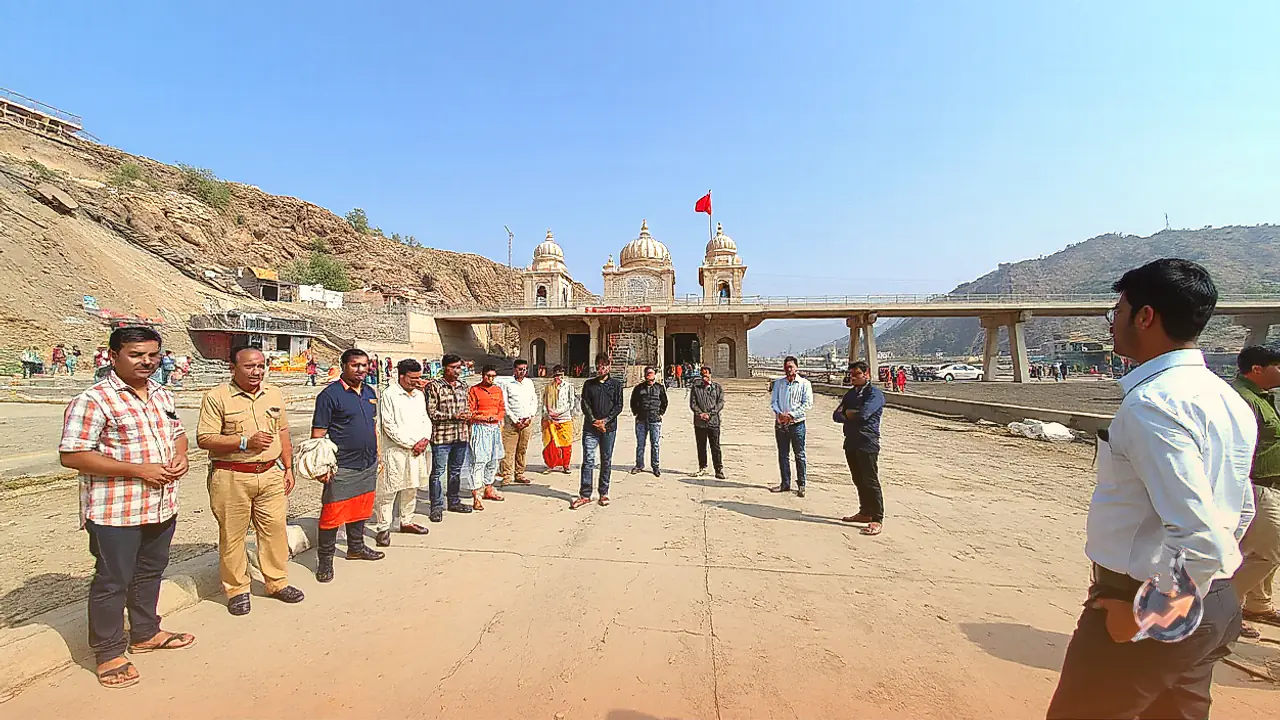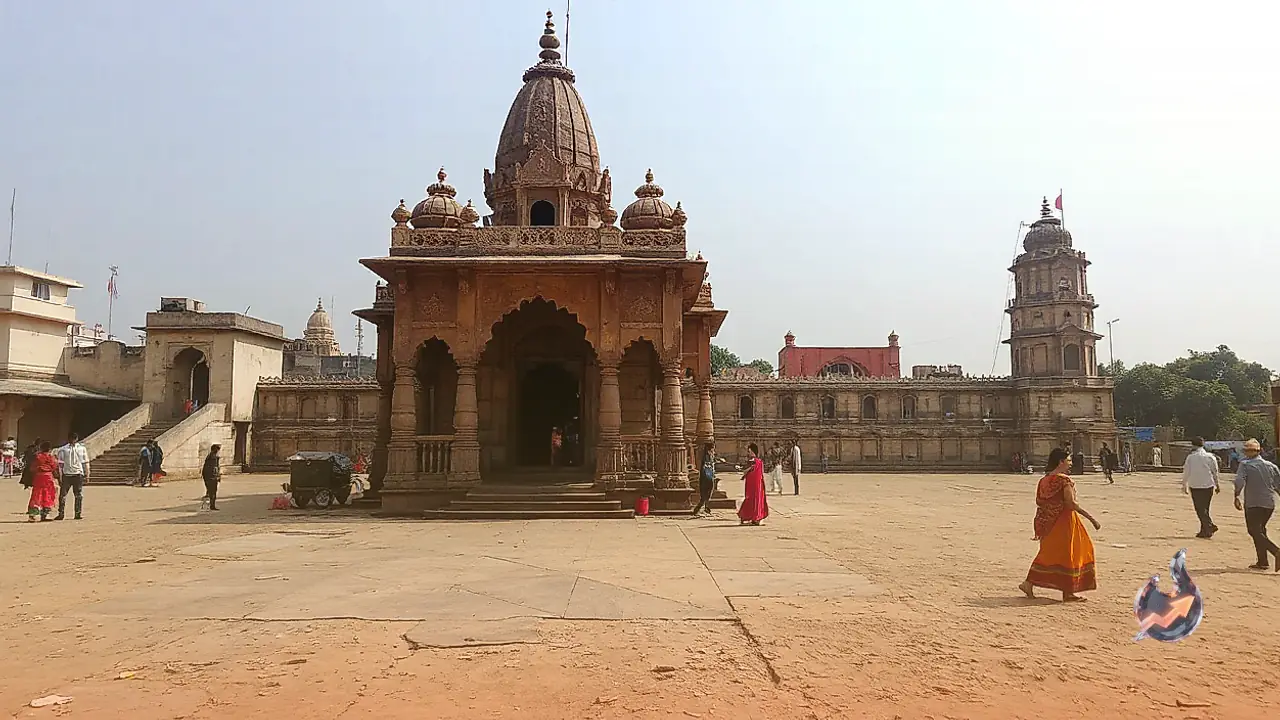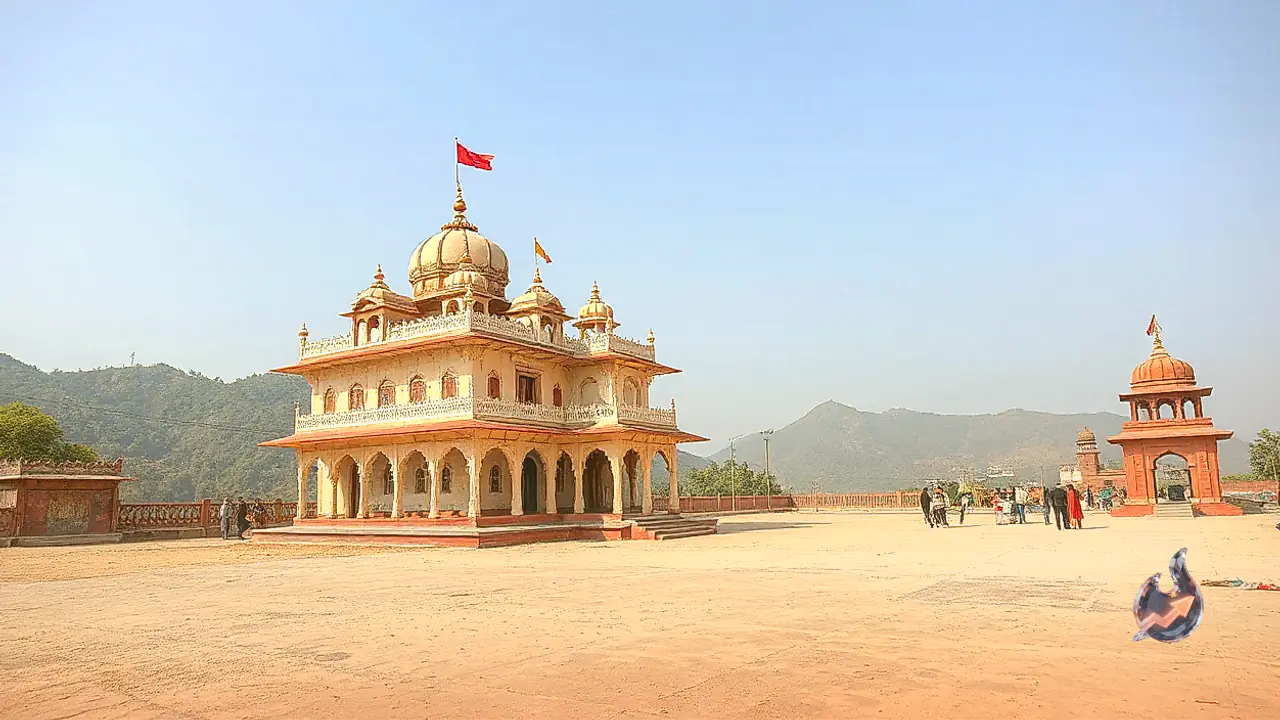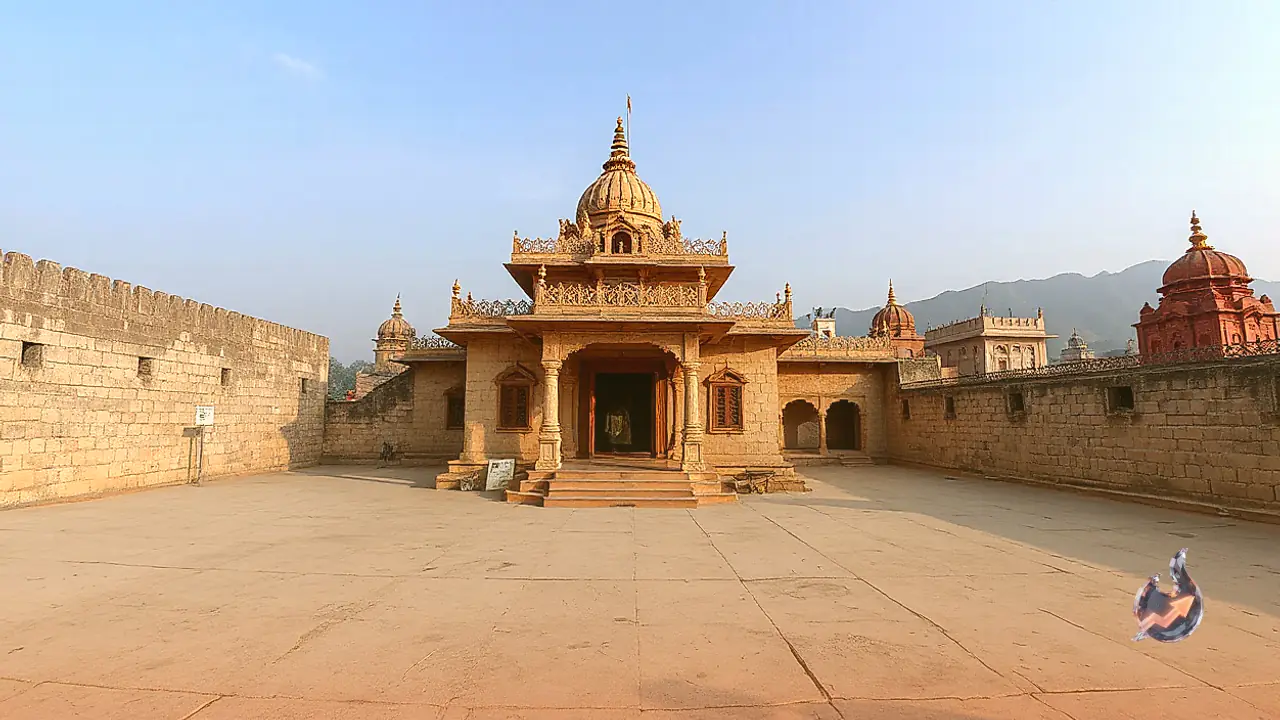

Nestled in the picturesque district of Bageshwar in Uttarakhand, the renowned Bageshnath Temple holds a prominent place across the country for its deep religious reverence and rich historical heritage. Situated gracefully at the holy confluence of the Saryu and Gomti rivers, this sacred shrine attracts devotees throughout the entire year, yet it harbors a distinct custom that remains relatively unknown to many visitors. After completing their prayers and paying homage to Kalbhairav at the main shrine, pilgrims traditionally make their way to the nearby Baneshwar Temple to mark their attendance. According to local traditions, failing to visit and offer respects at the Baneshwar Temple leaves the worship at the main Bageshnath Dham incomplete.
The Unique Tradition of Inscribing Wishes on Temple Walls
One of the most fascinating aspects associated with the Baneshwar Temple is the distinct ritual of writing wishes directly on its walls. Hem Chandra Pathak, a priest at the Bageshnath Temple, explains that any devotee who arrives at the shrine with pure devotion and a heartfelt desire inscribes their signature and writes their specific wish upon the temple wall. Believers firmly trust that the deity hears these appeals and fulfills their deepest aspirations. During major festive gatherings such as Makar Sankranti and the grand Uttrayani fair, enormous crowds of pilgrims gather here to pen down their petitions on the masonry. This intriguing custom has remained a vital part of the region's religious fabric for generations.
The Historical and Mythological Roots of the Shrine
Positioned prominently in the northern section of the Bageshnath Temple complex, the Baneshwar Temple forms an essential component of the area's ancient architectural cluster. Historical records and mythological accounts tie this region directly to the meditative grounds of Lord Shiva and the rigorous penance performed by Rishi Markandeya. Ancient folklore recounts that while Rishi Markandeya was engaged in deep meditation along the banks of the Saryu River, Lord Shiva assumed the form of a tiger to safeguard his spiritual practice. This legendary episode gave birth to the religious identity of Bageshwar and its principal shrines, with the Baneshwar Temple deeply intertwined with these age-old sacred traditions.
How to Reach the Baneshwar Temple
The Baneshwar Temple is situated right within the district headquarters of Bageshwar in Uttarakhand, standing immediately adjacent to the main Bageshnath Temple in its northern precinct. Visitors finishing their rituals at the primary temple can easily walk the short distance to reach this secondary shrine. The surrounding area features the scenic confluence of the Saryu and Gomti rivers alongside several other ancient temples. Travelers aiming to reach Bageshwar must first arrive in the city via well-connected routes. Road connectivity runs smoothly from Haldwani and Kathgodam through Almora. Kathgodam serves as the nearest major railway station, offering regular buses and taxis, while Pantnagar operates as the closest prominent airport. Once inside Bageshwar, a brief walk through the local markets leads directly to the Bageshnath complex and the adjacent Baneshwar shrine.