
The Pancheshwar Dam project has once again captured widespread attention following Nepali Prime Minister Balendra Shah's official visit to India. Both nations are now exhibiting a serious approach toward what is envisioned as one of the world's largest hydroelectric ventures. Although discussions surrounding the construction of the Pancheshwar Dam have persisted for decades, concrete timelines for its materialization remain elusive. Consequently, development initiatives in the border regions have failed to take off due to the shadow of the proposed reservoir.
Public Hearings Concluded Back in 2017
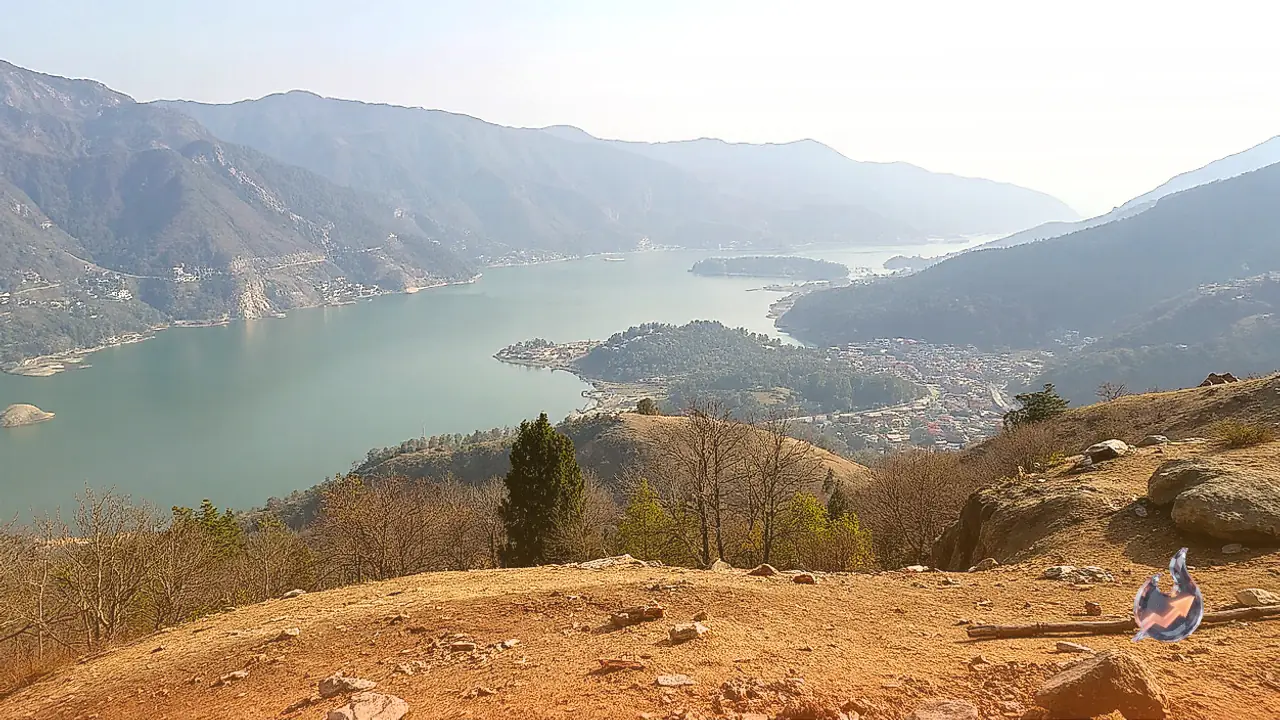
The massive hydroelectric project is slated for development at Pancheshwar, a confluence point of five rivers. Environmental public hearings concerning the project on the Mahakali River were successfully concluded as early as 2017. Since then, the file had largely gathered dust until the recent high-level meeting between Narendra Modi and Balendra Shah thrust the venture back into the headlines. Both governments have now reached a consensus regarding the finalization of the detailed project report. Once constructed, the dam is expected to fulfill the energy and irrigation demands of both countries while the resulting reservoir creates robust opportunities for regional tourism.
Stalled Infrastructure Projects Inside the Submergence Zone
The prolonged uncertainty surrounding the Pancheshwar Dam has cast a dark cloud over numerous regional development initiatives. Progress has completely ground to a halt in the submergence zone bordering Nepal, where the designated disaster footprint spans a total area of 134 square kilometers. This very submergence zone impedes several critical infrastructure projects, including the proposed Tanakpur-Bageshwarn rail line and the strategically vital Tanakpur-Jouljibi highway. Furthermore, plans for a motorable bridge connecting India and Nepal at Jhulaghat remain in limbo for the exact same reason. Protective embankment construction along the Mahakali River is similarly paralyzed, preventing even routine civic amenities and daily livelihood projects from moving forward.
Local Stakeholders Demand Clarity on Construction Plans
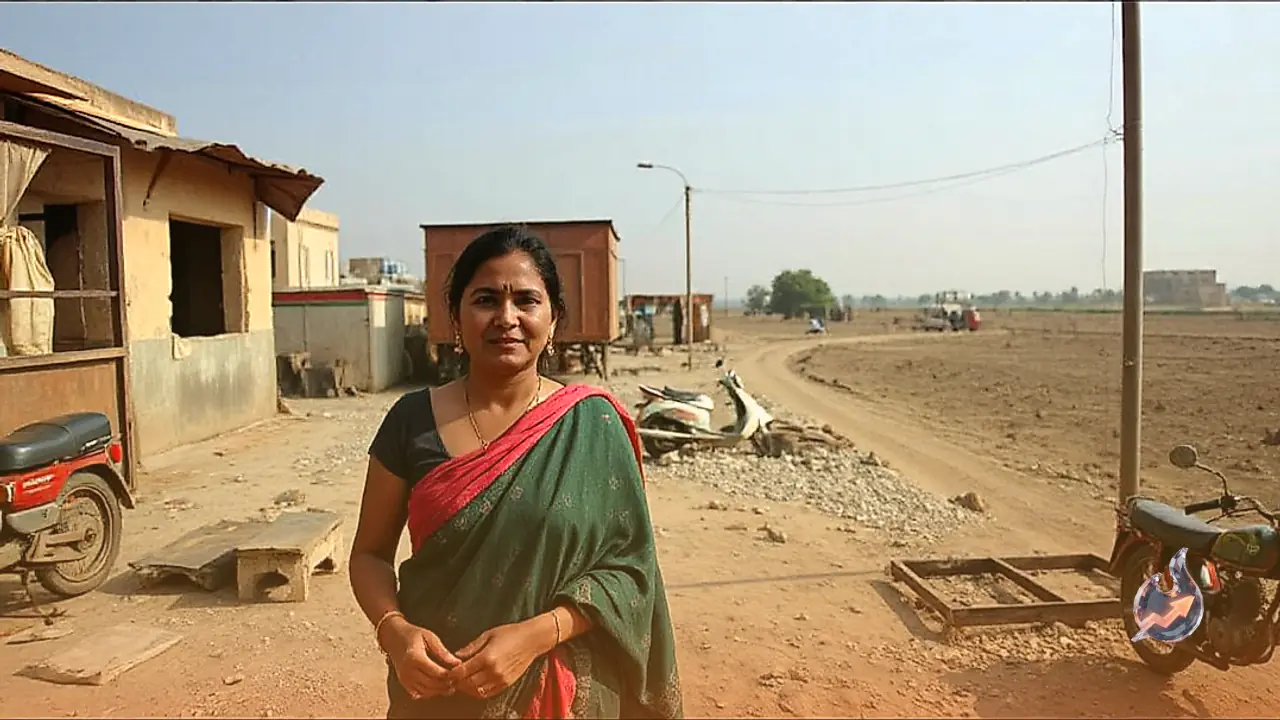
Shankar Khadayat, the coordinator of the Mahakali Ki Awaaz organization, emphasized that governments must finally make a definitive decision on whether the dam will actually be built. He noted that the lingering ambiguity has severely marginalized millions of residents living along the Nepal border, pushing the region backward in terms of modern infrastructure. Residents across the 134 affected villages situated within the submergence zone have spent years waiting for official clarity. With substantial time having elapsed without tangible progress on either dam construction or regional welfare work, local communities continue to suffer from administrative paralysis.