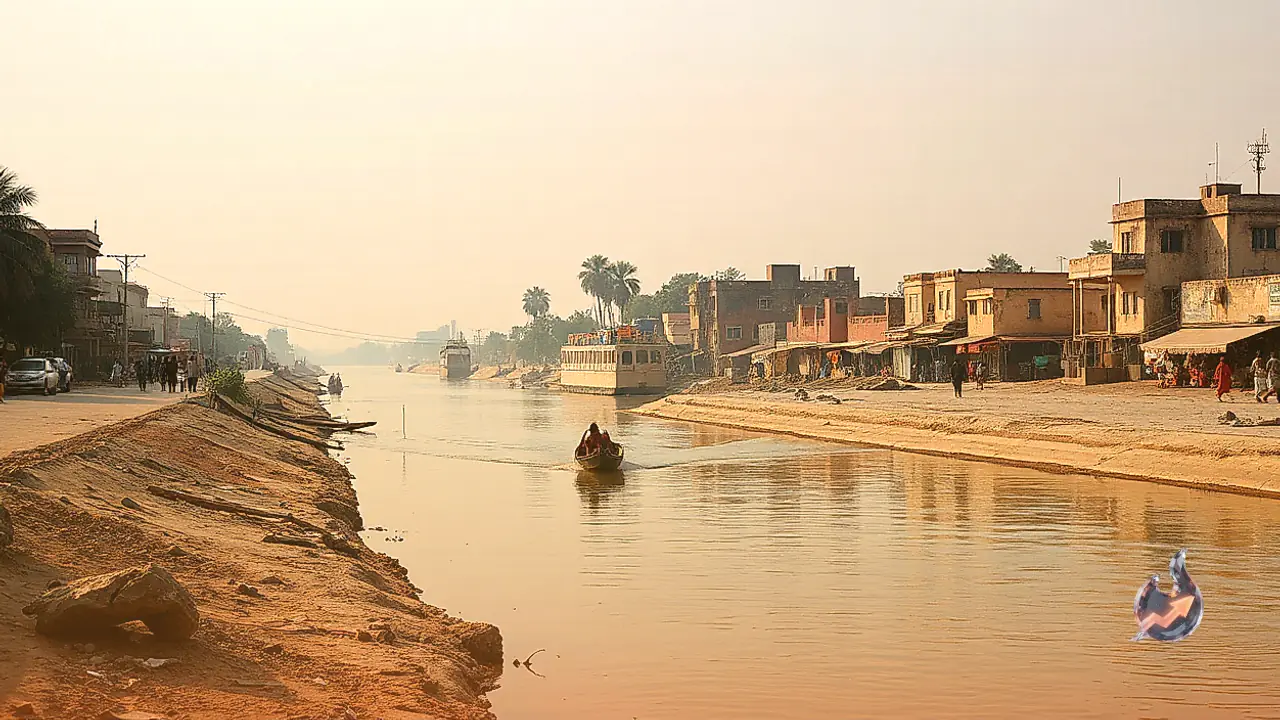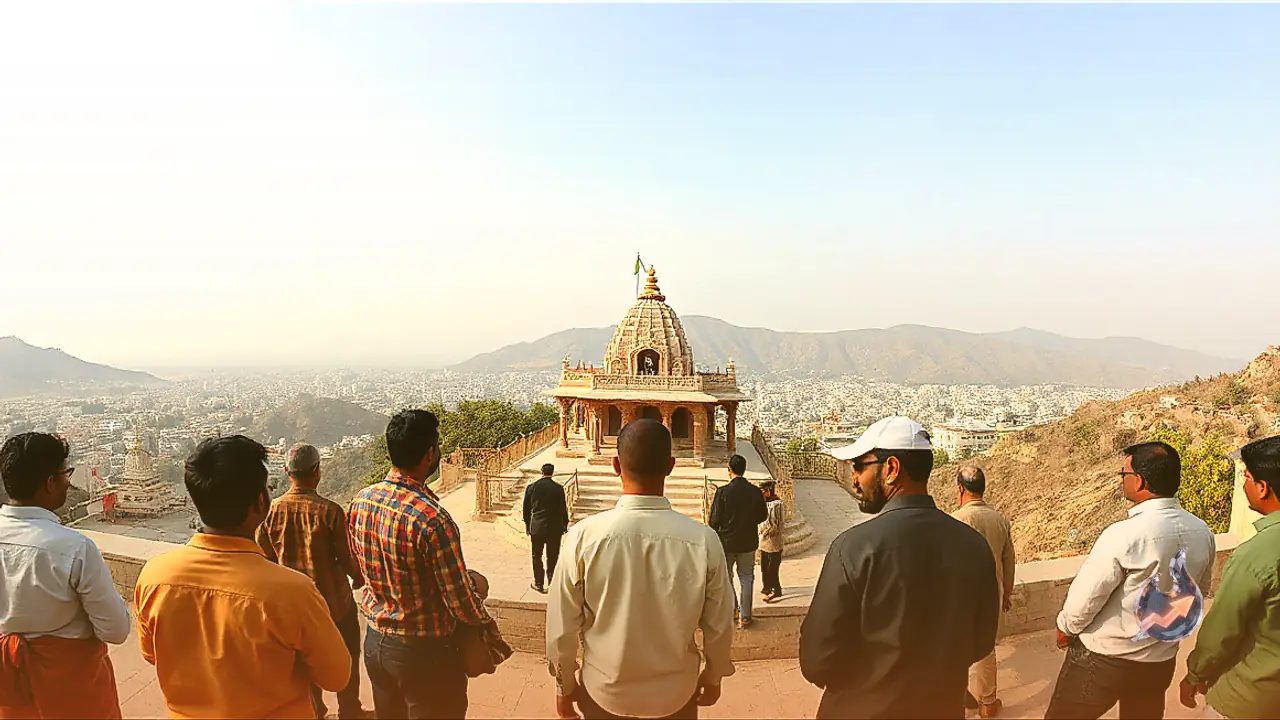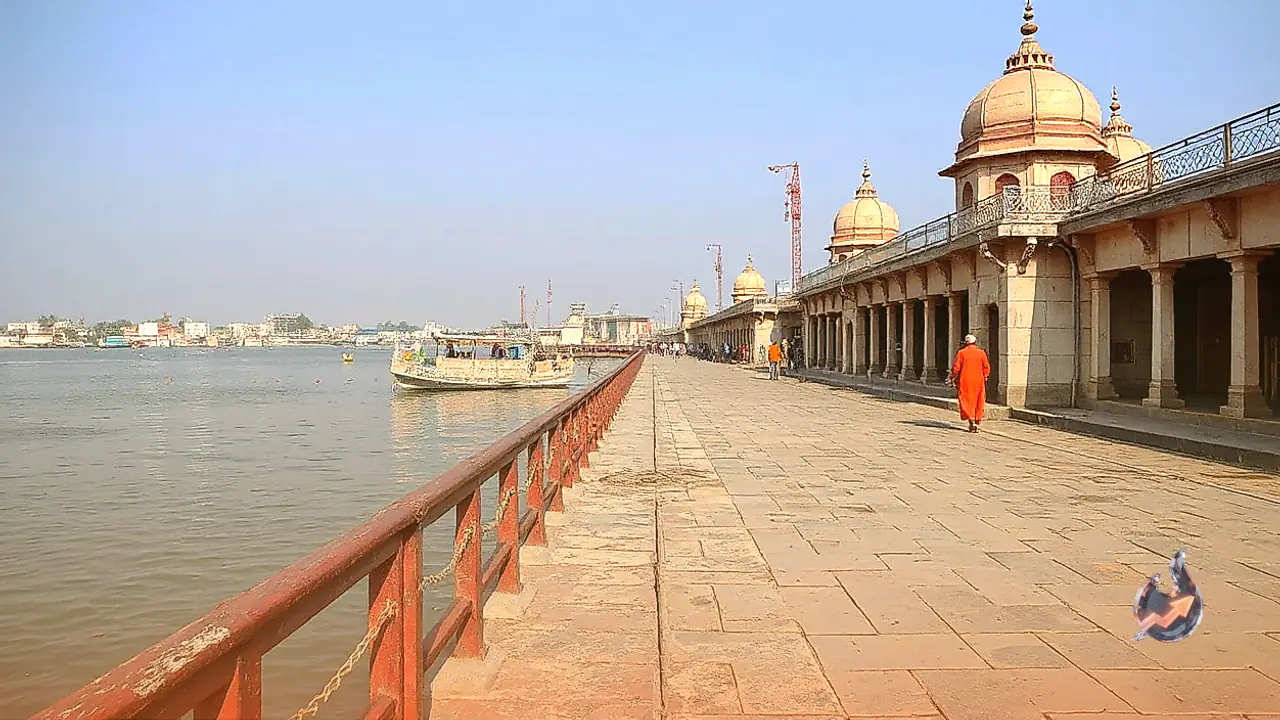
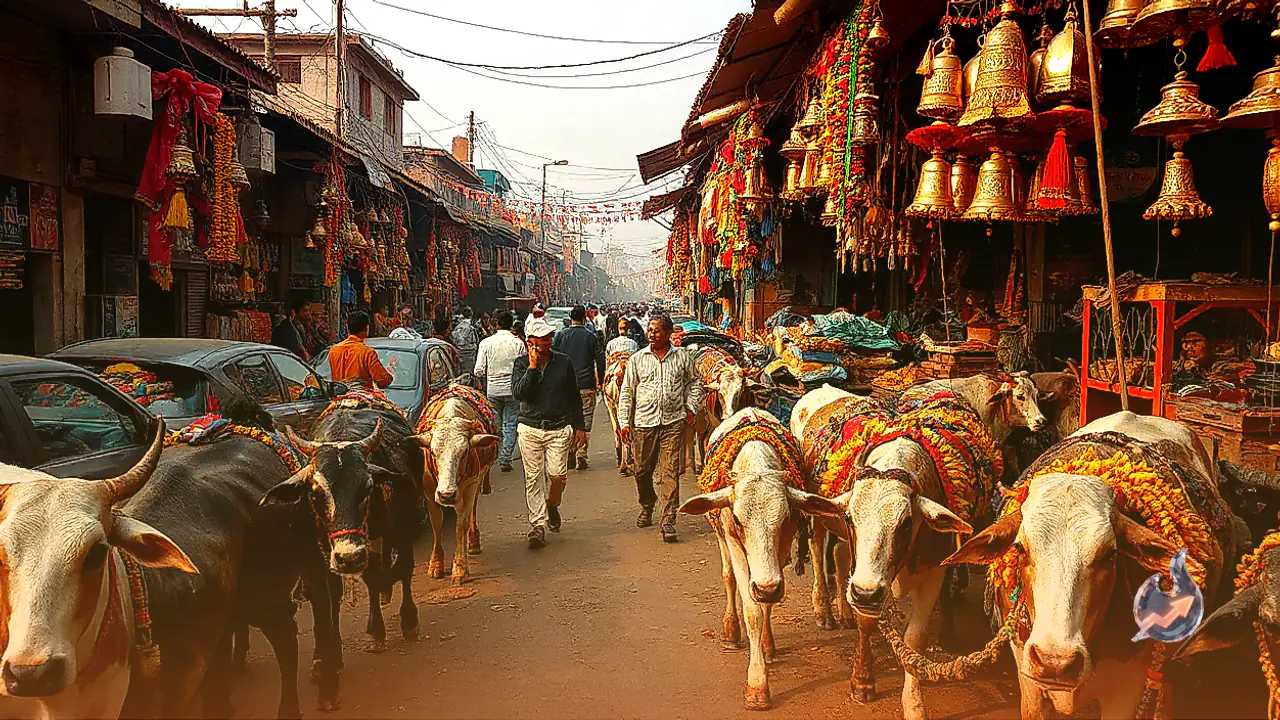

















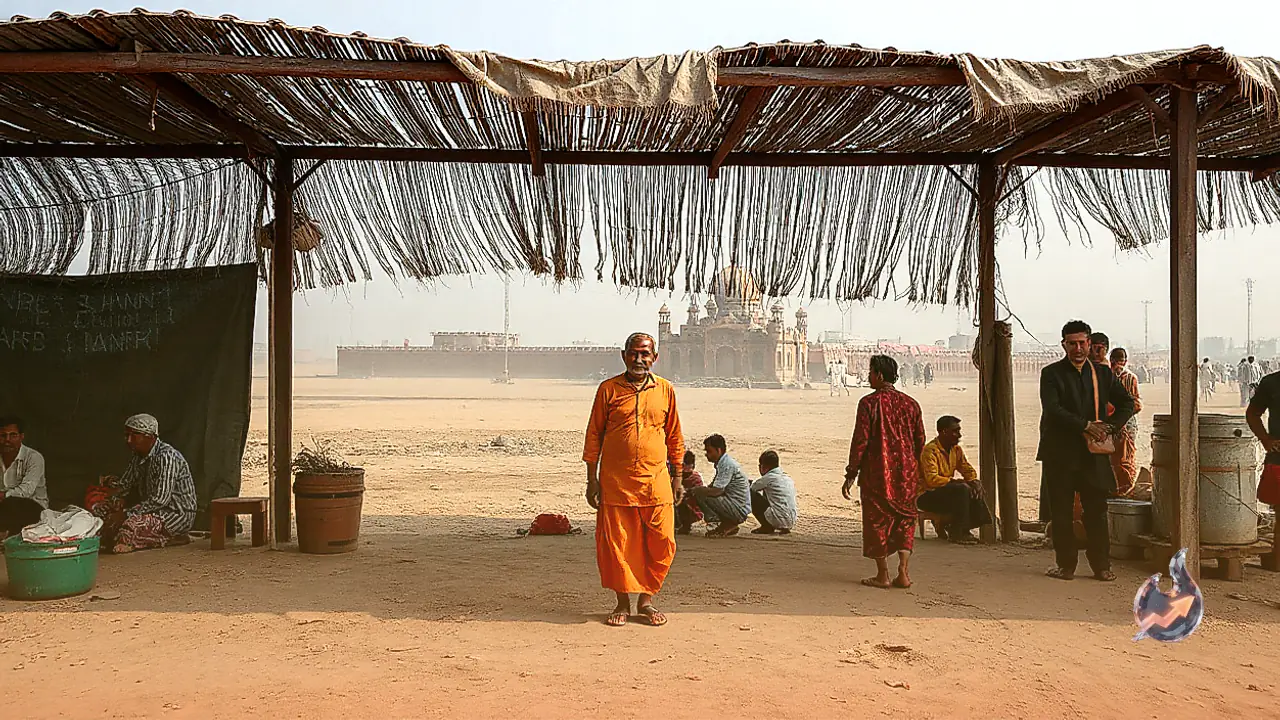

The holy town of Haridwar along the banks of the Ganga has long drawn pilgrims from across the globe seeking spiritual liberation and sacred ablutions. Beyond its enduring status as a focal point of faith, the riverside town holds a pivotal connection to Mohandas Karamchand Gandhi. While he visited Haridwar on multiple occasions, his experience during the 1915 Kumbh Mela at Har Ki Pauri altered his lifestyle and deeply stirred his conscience, creating a lasting imprint on his public journey.
Following Gopal Krishna Gokhale's advice to observe India
According to senior priest and Gandhian scholar Pandit Purushottam Sharma, Gandhi undertook an extensive nationwide journey after returning from South Africa on the counsel of his political mentor, Gopal Krishna Gokhale. The objective was to observe and understand the lived reality of everyday people across the country. Viewing the massive congregation of the 1915 Haridwar Kumbh as a microcosm of India, Gandhi travelled there in an open railway carriage alongside an entourage of 50 to 60 volunteers. Upon arriving, the group established a dedicated volunteer service camp inside an orchard located in Shravan Nath Nagar to serve the arriving pilgrims.
Poverty at Har Ki Pauri and adopting the traditional dhoti
During his time at Har Ki Pauri, a priest conducted religious prayers for Gandhi but steadfastly refused to accept any monetary offering or dakshina in return. As Gandhi walked through the sacred grounds, the acute destitution among ordinary pilgrims and the torn clothing worn by underprivileged women left an indelible mark on his thoughts. Deeply affected by the severe material hardships of his fellow citizens, Gandhi made the momentous choice right on the riverbank to abandon his western trousers and shirt. In their place, he draped a simple dhoti, a modest garment that went on to remain his permanent attire for the remainder of his life.
Visits to Gurukul Kangri and the naming of Mahatma Gandhi Marg
Gandhi's relationship with Haridwar extended well beyond the 1915 gathering. Swami Shraddhanand, a prominent Arya Samaj figure and the founder of Gurukul, accompanied Gandhi to the institution in Kangri, where he interacted directly with the students. Following Swami Shraddhanand's passing, Gandhi returned to Haridwar alongside Pandit Madan Mohan Malaviya to pay their solemn respects. The travel route taken by Gandhi from Haridwar railway station through Mayapur, Shankaracharya Chowk, and Kankhal to reach the Gurukul was later formally designated as Mahatma Gandhi Marg. The sacred riverfront town thus served as a transformative setting for his lifelong embrace of austerity.