























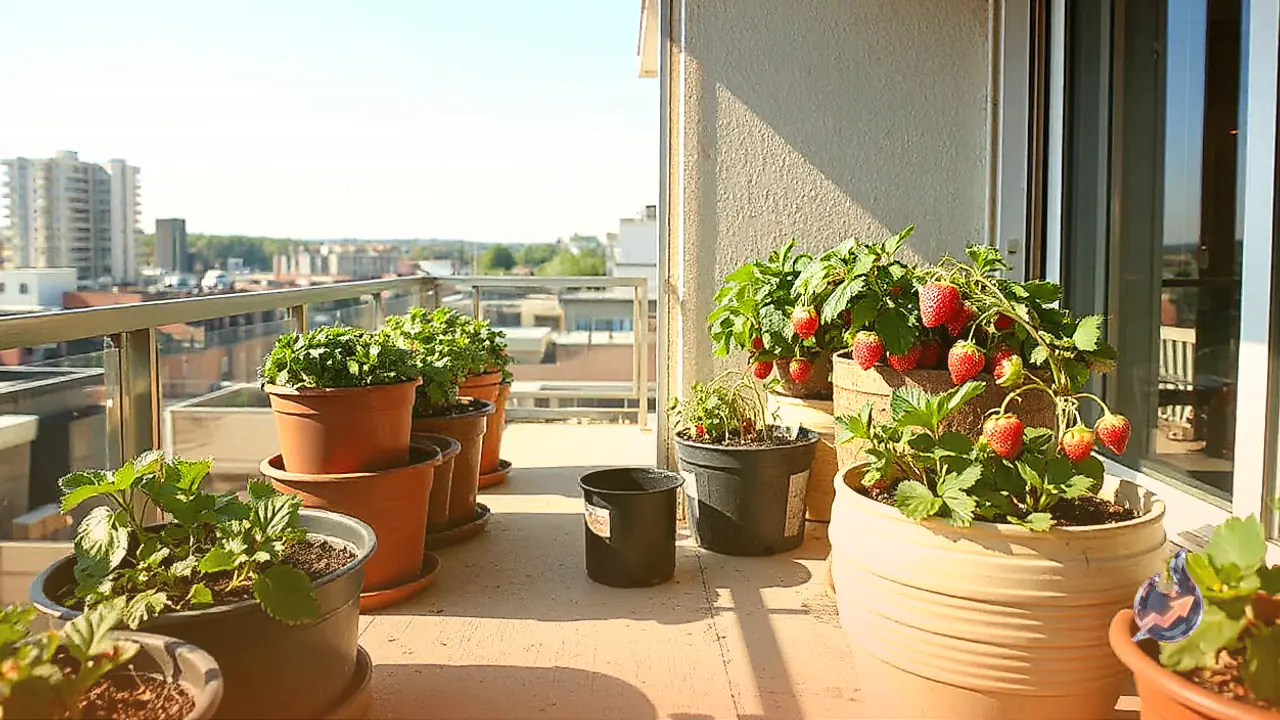

Enjoying fresh, vibrant strawberries during the winter season is a delight for many, and harvesting them does not require frequent trips to the supermarket. Even with limited outdoor space, gardening enthusiasts can cultivate these berries directly in compact pots placed on a terrace or apartment balcony. By combining appropriate soil, controlled watering, and basic plant management, healthy strawberry plants can thrive right at home.
Why November Offers Ideal Weather for Planting
Gardener Ram Sagar points out that November serves as the most suitable month for planting strawberries. The onset of mild winter temperatures during this period creates the exact environmental conditions needed for steady vegetative growth. High heat hampers the progress of strawberry plants, whereas cooler weather offers the calm environment they need to develop strong root systems. Planting in November grants the saplings adequate time to establish themselves steadily through the winter months. For anyone looking to set up home fruit pots, starting during this window is highly recommended.
Container Selection and Proper Potting Technique
Growing strawberries requires very little physical space, making them ideal for compact container setups. An ordinary pot measuring approximately 8 to 10 inches in depth and width is well suited for a single plant. The essential requirement when selecting a container is ensuring functional drainage holes at the base so surplus moisture can escape freely.
Fill the container with good-quality garden soil enriched with organic compost. After preparing the soil blend, place a young strawberry sapling sourced from a local nursery into the pot. While transplanting, it is vital to keep the central crown of the sapling above the soil line rather than burying it deep under the surface. Once planted, provide a light watering and position the pot in an area that receives reliable daily sunlight.
Managing Daily Sunlight, Moisture, and Nutrition
While strawberry plants are relatively low-maintenance, fulfilling a few core requirements makes a substantial difference in yields. The pot must be placed in a spot that receives around 4 to 6 hours of direct sunlight every day. The soil should stay evenly moist, though excessive watering and waterlogging must be avoided at all times.
Regular replenishment of compost supplies the plant with sustained nutrients throughout its growing phase. Gardeners should also routinely prune away withered leaves, dry foliage, and damaged plant parts. Clearing away dead leaves directs energy toward fresh growth and flowering. Additionally, once flower blossoms begin to emerge on the foliage, avoid shifting or moving the pot from its established position.
Fruiting Timeline and What to Expect from Saplings
Ram Sagar explains that setting up a nursery-grown sapling results in edible fruit within approximately 2 to 3 months of planting. In comparison, raising strawberries from seeds takes significantly longer to reach maturity. Following the appearance of white blossoms, the developing berries gradually swell and turn bright red over several weeks. Through this simple container regimen, home growers can successfully produce fresh berries right outside their living room.