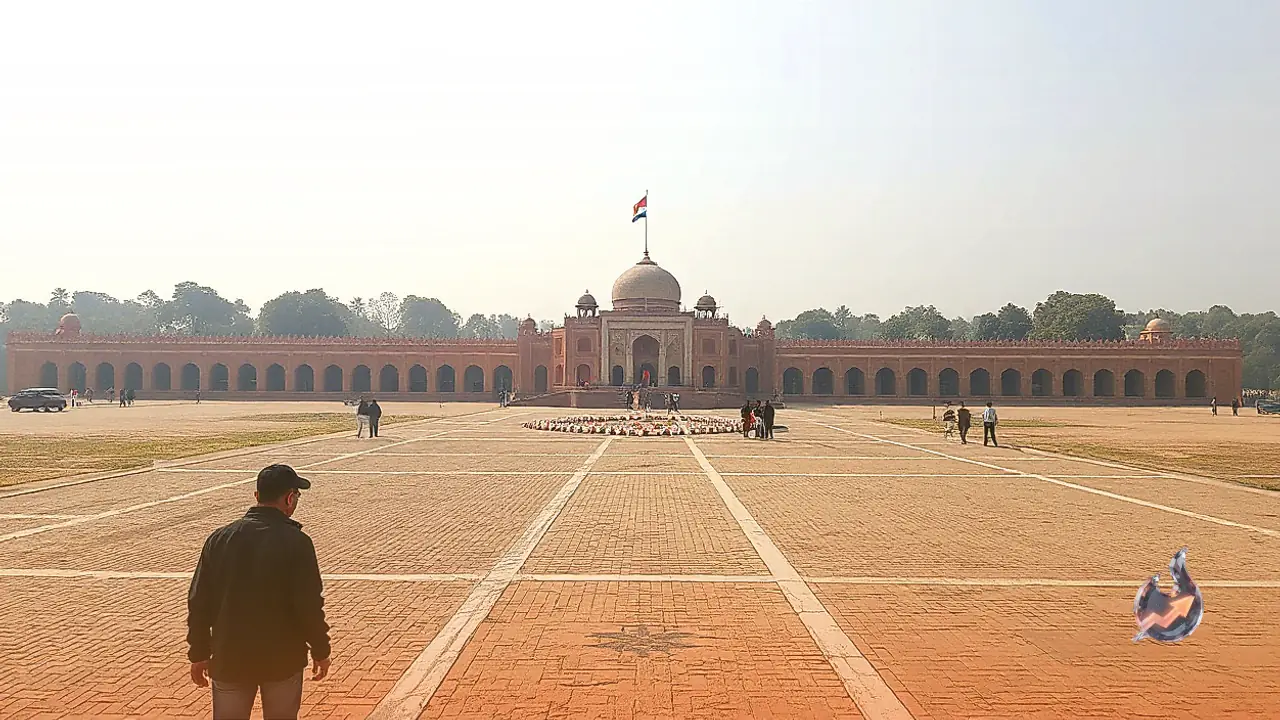
















With the arrival of the festival of lights, preparations for the worship of Goddess Mahalakshmi gain immense momentum across the country. Dhanteras falls on Friday, 6 November, followed by the celebration of Diwali on Sunday, 8 November. During this auspicious festive stretch, countless devotees visit prominent shrines to seek divine blessings for peace, good fortune, and household prosperity. While several revered shrines dedicated to Goddess Lakshmi dot the Indian landscape, Agroha Dham in the Hisar district of Haryana holds a singular and deeply historic status. The legacy of this sacred sanctuary is intertwined with Maharaja Agrasen and the heritage of the Agrawal community.
An Unusual Omen of Harmony and the Founding of a Kingdom
According to widely held tradition, Maharaja Agrasen resolved to establish a prosperous new kingdom through the divine benevolence of Goddess Mahalakshmi. To discover an ideal geographical location that would sustain his visionary realm, Maharaja Agrasen embarked on an exploratory expedition accompanied by his wife, Queen Madhavi. During their journey across the countryside, the royal couple encountered an extraordinary sight that defined their purpose.
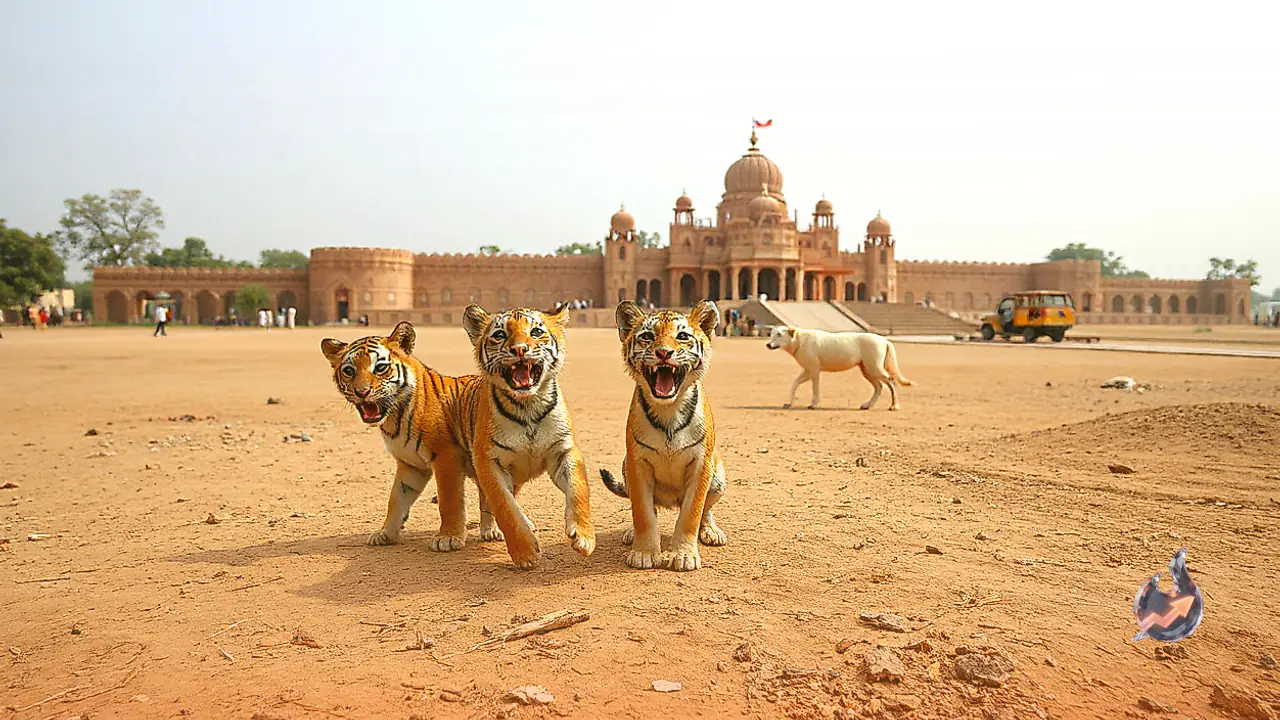
In an open tract of land, they witnessed tiger cubs and young wolf pups playing together in complete harmony, devoid of any predatory aggression or fear. Maharaja Agrasen and Queen Madhavi interpreted this peaceful coexistence among fierce wild animals as an exceptional omen. Convinced that such soil possessed both valor and innate balance, the monarch deemed it the perfect ground for a thriving state. On that very site, he founded the ancient city of Agroha, which swiftly transformed into an affluent epicenter of agricultural abundance and flourishing commerce.
Twentieth Century Revival and the 1908 Agrawal Darbar
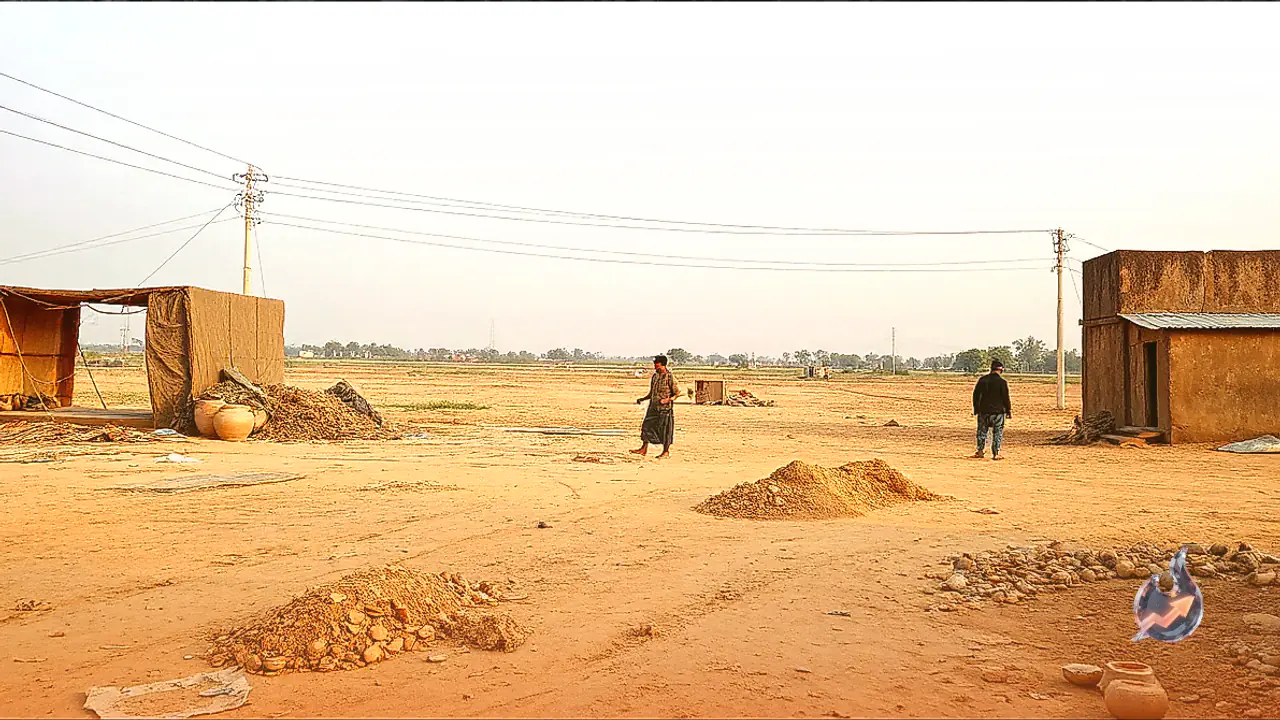
With the passage of centuries, the political and strategic prominence of Agroha witnessed a gradual decline. Nevertheless, steady endeavors to resurrect the past glory of the site persisted across generations. A pivotal turning point came in the early twentieth century when an ascetic named Brahmanand Brahmachari arrived at the location in the year 1907.
Brahmanand Brahmachari engaged with the members of the Agrawal community, inspiring them to revive and redevelop the ancient heritage center. Acting upon his counsel, community leaders formed an organization titled Agrawal Darbar in the year 1908. Under its aegis, foundational community welfare and religious structures were set up at the site, including a gaushala for cattle care, a shrine dedicated to Lord Shiva, and 18 Sati pilgrimage memorials, breathing new life into the historic territory.
The 1976 Reconstruction Charter and the Three Main Shrines
The contemporary architectural magnificence of Agroha Dham took concrete shape through a collective resolution in the 1970s. During the All India Agrawal Representatives Conference organized in the year 1976, leaders resolved to initiate a massive modern temple construction project. To supervise this undertaking, the Agroha Vikas Trust was instituted, and construction work commenced that same year in 1976.
Following sustained structural work, the central temple complex reached completion in the year 1984, followed by phased additions of public amenities and visual monuments. The sanctum of the main Agroha Dham complex is organized into three distinct operational segments. The central portion enshrines Goddess Mahalakshmi, the embodiment of wealth, good fortune, and material well-being. The western wing houses Goddess Saraswati, the patron deity of intellect, learning, and artistic wisdom, while the eastern wing is dedicated to Maharaja Agrasen. Pilgrims visiting the sanctuary are able to venerate the deities of wisdom and prosperity alongside their revered ancestral monarch under one roof.
Shakti Sarovar with Waters from 41 Rivers and Sacred Replicas
Beyond its traditional prayer halls, the wider campus of Agroha Dham features a series of thematic and cultural landmarks that draw tourists and spiritual seekers alike. Situated behind the main temple structure is a sprawling artificial reservoir known as Shakti Sarovar. In the year 1988, this reservoir was ceremonially filled with water collected from 41 sacred rivers across India. Towards the northwestern edge of the reservoir, a vivid tableau recreating the cosmic churning of the ocean, Samudra Manthan, has been crafted.
The sprawling grounds also display depictions from the divine life of Lord Krishna, the Gajmukteshwar episode, and various classical narrative reliefs. For pilgrims seeking cave shrines, a replica of the holy cave of Goddess Vaishno Devi has been excavated about 15 feet below ground level. The premises further house shrines devoted to Tirupati Balaji, Bhairavnath, Baba Amarnath, and Lord Hanuman. Towering overhead, a statue of Lord Hanuman measuring approximately 90 feet in height serves as a prominent landmark across the landscape. Annually on Sharad Purnima, the complex organizes the grand Mahakumbh festival, bringing large gatherings of devotees from across India to commemorate their heritage.