





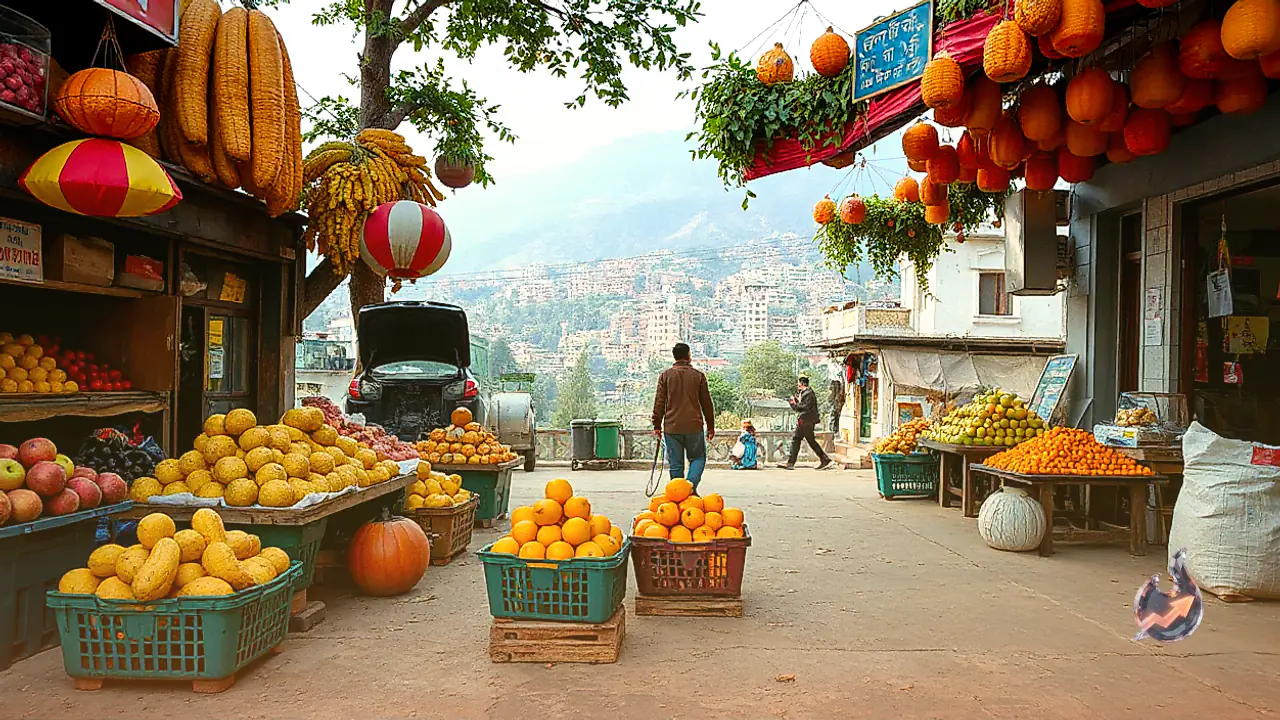
















As the winter season begins in the picturesque hill station of Nainital, the local markets transform with seasonal produce. Travelers visiting the region to enjoy the serene lakes and mountain vistas often seek out the unique regional flavors. Just as the colder months set in, a distinct citrus fruit begins arriving in the markets of Nainital. Resembling an orange, Malta is celebrated for its juicy texture, refreshing aroma, and sweet-tart taste. Tasting this traditional hill fruit has become a staple experience for visitors exploring the area during winter.
Nutritional Benefits of Malta Fruit
Malta is valued as more than just a seasonal treat, offering substantial health benefits due to its rich nutrient profile. It contains significant amounts of vitamin C, dietary fiber, and various antioxidants. During the winter months, consuming Malta provides an effective dietary source of vitamin C, which plays a crucial role in maintaining standard immune function. Additionally, the fiber content assists in supporting healthy digestion, making it a valuable addition to seasonal diets.
Expert Insights on Nutritional Value
Professor Dr. Lalit Tiwari from the botany department at DSB Campus in Nainital notes that the Malta grown across the hill regions of Uttarakhand typically features a yellow hue, unlike the green varieties found in regions like West Bengal. He explains that the presence of vitamin C makes Malta helpful in preventing scurvy, while also supporting dental and gum health.
Dr. Tiwari adds that Malta contains potassium, dietary fiber, and antioxidants. Potassium assists in maintaining normal blood pressure levels, and antioxidants protect cells from oxidative stress. Furthermore, the vitamin C present in the fruit aids in collagen production, which is essential for maintaining healthy skin. During winter, Malta can easily be incorporated into daily diets either as a fresh fruit or consumed as a natural juice.
Market Prices and Local Livelihoods
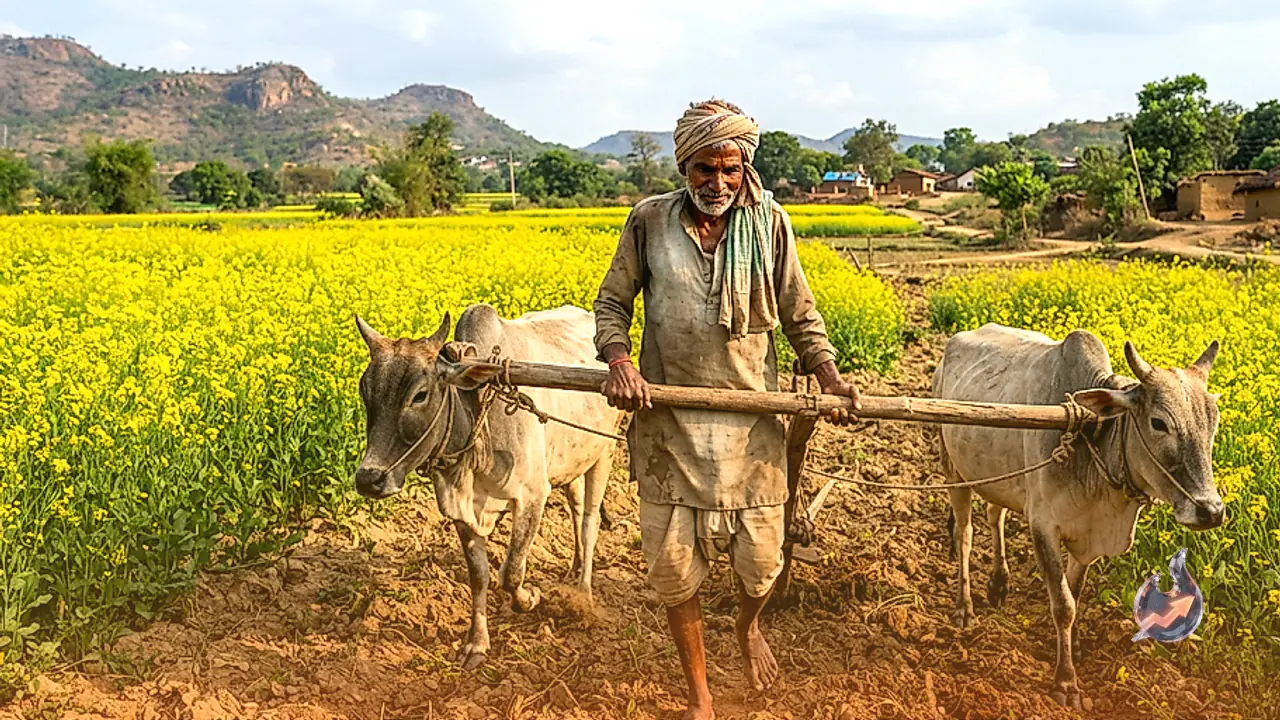
In the Mallital market of Nainital, sales of Malta have picked up significantly. Local vendor Pratap Singh जीना, who has been selling the fruit for roughly 30 years, receives supplies from nearby hilly areas including Bhimtal, Bhowali, Mukteshwar, Ramgarh, and Jyolikot. The Malta season typically starts right after Diwali and continues through February.
Throughout this period, both residents and tourists visiting Nainital purchase the fruit in large quantities. Currently, Malta is priced between 30 and 40 rupees per kg in the local market. Many visitors also enjoy drinking freshly extracted juice at market stalls. This locally cultivated hill fruit serves as an important economic pillar for regional farmers and small-scale traders.
Cultural Identity and Consumption Tips
For visitors coming to Nainital, Malta represents an integral part of the local culinary heritage and regional identity. The availability of fresh Malta during winter provides a direct financial boost to local producers and independent vendors. Recently, receiving a GI tag has further strengthened the recognition of this traditional Uttarakhand produce.
However, health experts advise consuming Malta in moderation. Drinking excessive amounts of its juice can lead to acidity or minor digestive discomfort for some individuals. To protect tooth enamel after consuming citrus fruits, rinsing the mouth with water is recommended. Visitors planning a winter trip to Nainital can combine sightseeing around the lake with tasting fresh local Malta to experience the authentic nutritional flavor of the hills.