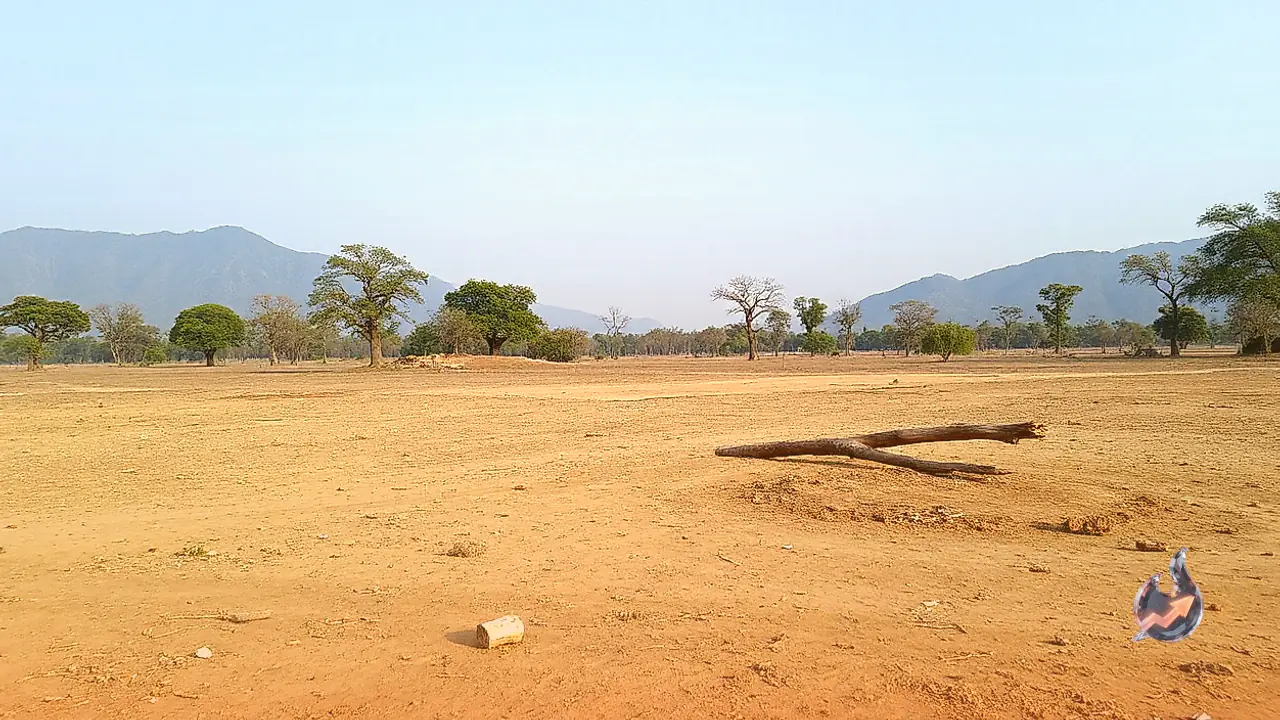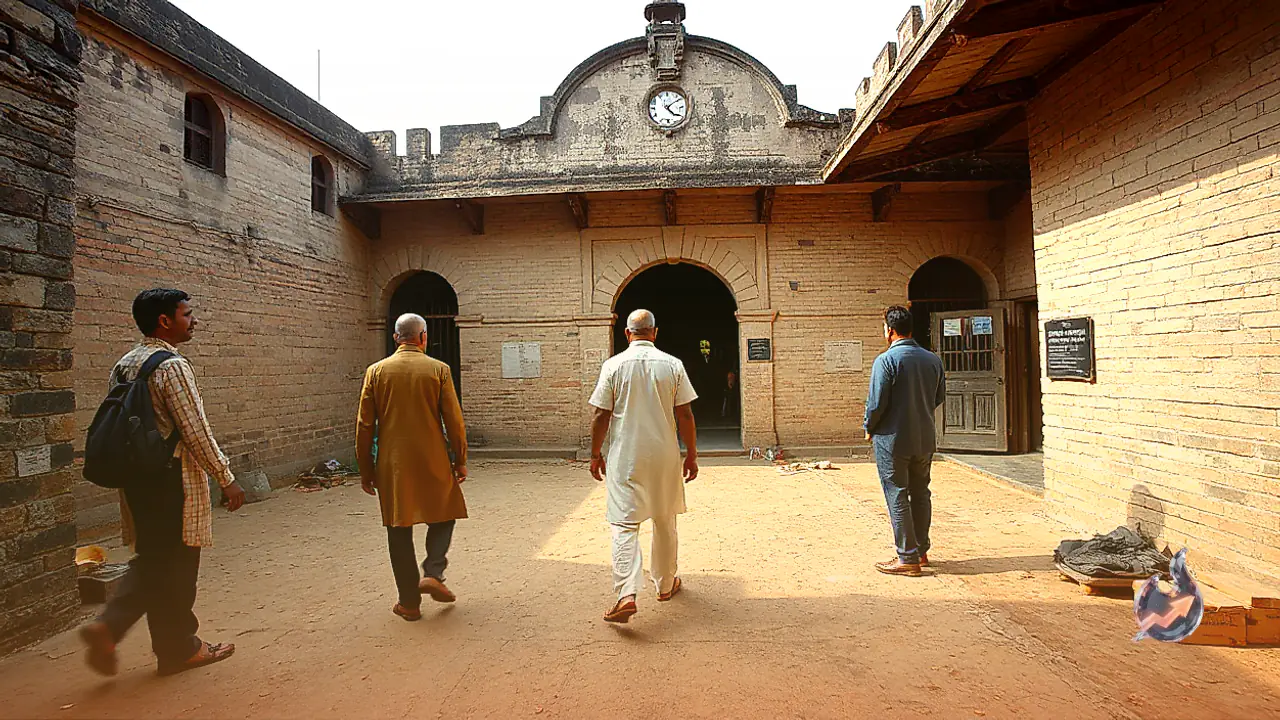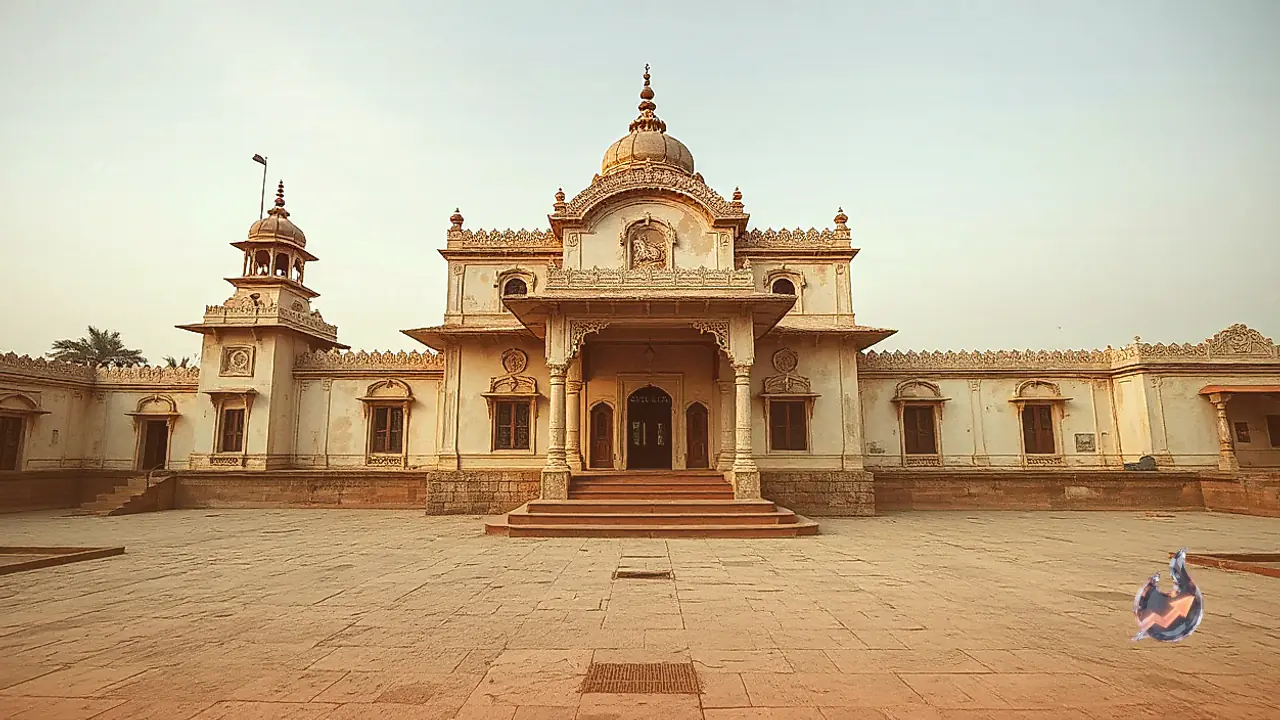
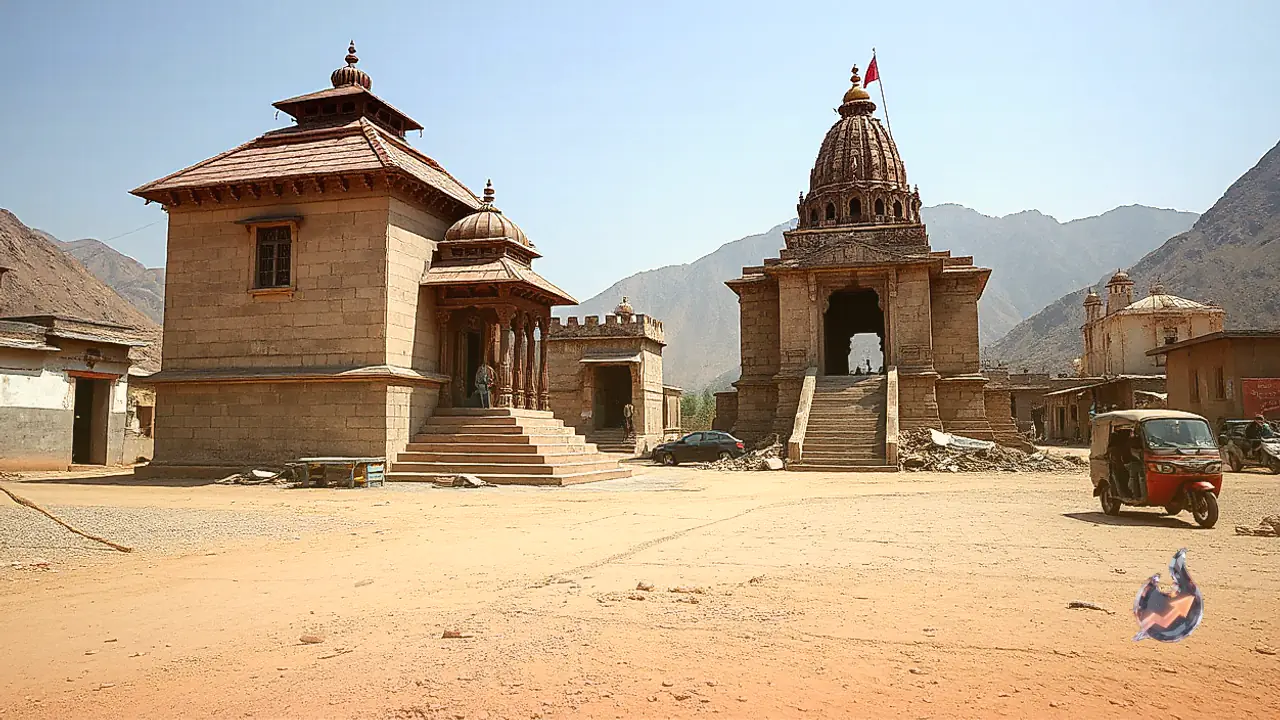














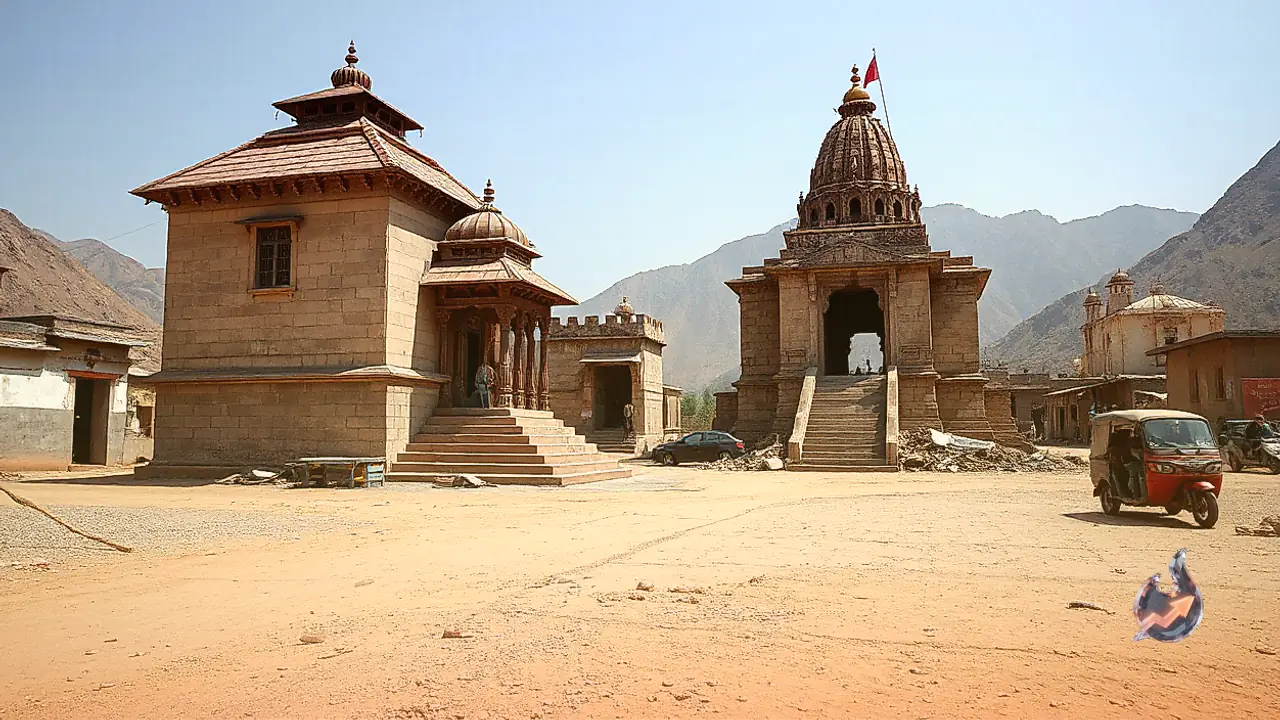

The ancient Kalp Kedar temple, which had been completely submerged under layers of debris following a catastrophic natural disaster in Dharali of Uttarkashi district, is beginning to re-emerge into view. Demonstrating extraordinary resilience, local villagers have mobilized a collective drive to manually excavate the sacred shrine. The holy temple was buried during a violent flash flood in August, but continuous effort by the community has now brought several architectural remnants to the surface. Observing these initial structure fragments has ignited immense hope among residents that their revered place of worship will soon be restored to its historic glory.
Divine Guidance and Community-Led Excavation Effort
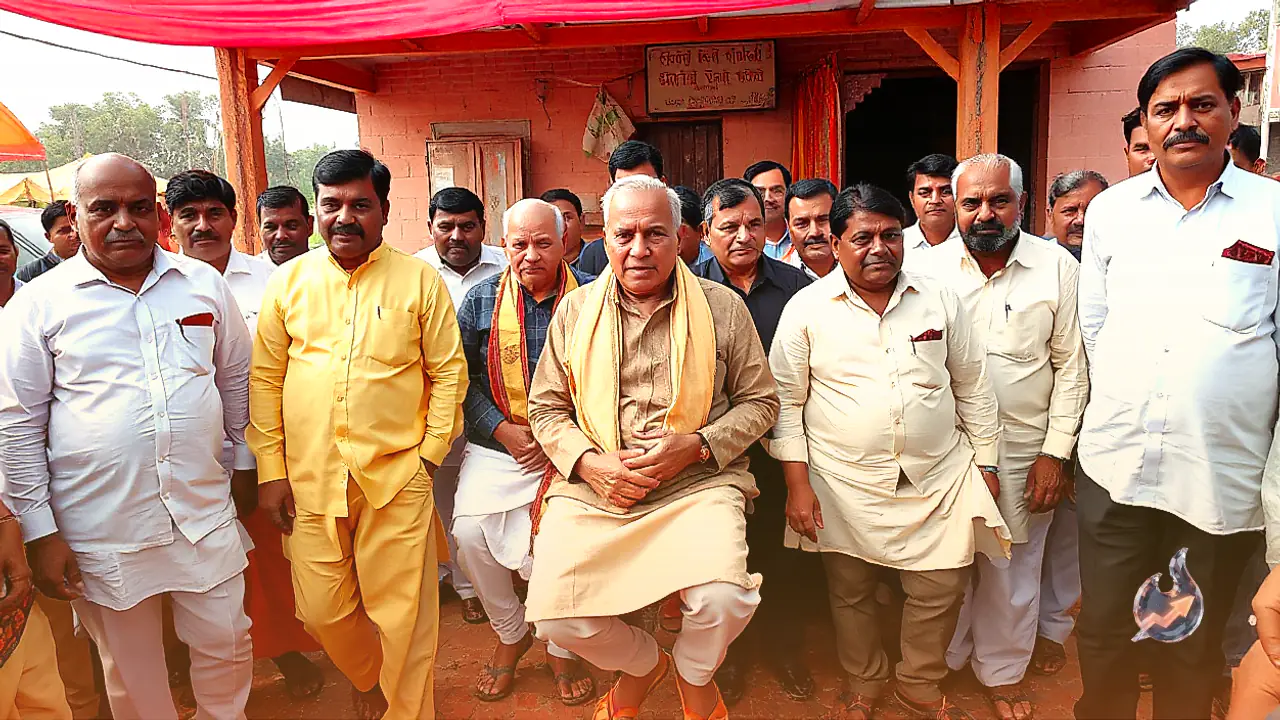
The calamity unfolded on August 5, 2025, when a disastrous cloudburst triggered severe flooding in the Kheer Ganga river. The resulting torrent of mud, boulders, and debris swept through Dharali, destroying numerous residential homes, commercial shops, and burying the historical Kalp Kedar temple under meters of sludge. The loss of their central shrine caused deep sorrow across the region. Seeking spiritual direction, the villagers consulted their venerated deity, Someshwar Devta. Acting upon the instructions received from the deity, the local populace commenced excavation work on October 11, coinciding with the auspicious first day of Navratri.
Equipped with basic hand tools and unwavering devotion, men and women from the village have been tirelessly clearing the accumulated debris. The community has set a firm deadline to complete the restoration before the commencement of the 2027 Chardham Yatra. As hand-carved stones and structural fragments gradually emerge from the mud, the morale of the workers continues to rise, reinforcing their determination to achieve their goal.
Pandava Era History and Heritage Significance
Kalp Kedar holds immense religious, historical, and cultural value for the residents of Dharali and the broader Uttarkashi region. According to local traditions, the sacred shrine was originally constructed by the Pandavas during the Mahabharata period. Historically, the temple has survived extreme weather events, having been buried under natural disasters twice in the past. Positioned roughly 7 feet below ground level, ritual worship at this unique sanctuary takes place only once a year. Located in close proximity to the pilgrimage route heading toward Gangotri Dham, thousands of devotees routinely visit the shrine to offer prayers. Thus, the revival of the temple carries deep significance for pilgrims visiting from across the nation.
Official Commitments and the Need for Administrative Support
While the local population remains fully dedicated to the physical excavation, restoring a monument of this scale requires specialized structural engineering, modern machinery, and official financial backing. Uttarakhand Chief Minister Pushkar Singh Dhami previously announced that the state government would undertake the official reconstruction of the Kalp Kedar temple. However, ground-level administrative intervention and technical assistance are still eagerly awaited by the villagers. The community hopes that state authorities will expedite project execution and dispatch expert teams promptly, ensuring that the ambitious target of completing the restoration before the 2027 Chardham Yatra is successfully met.