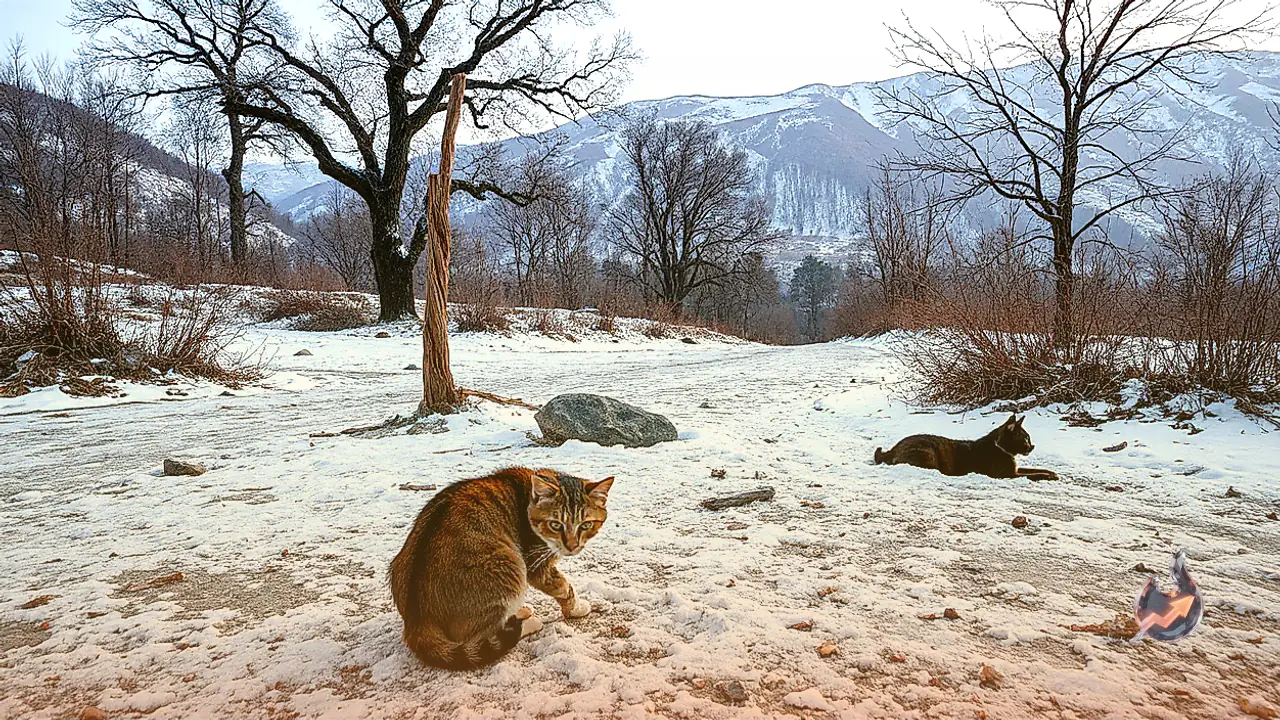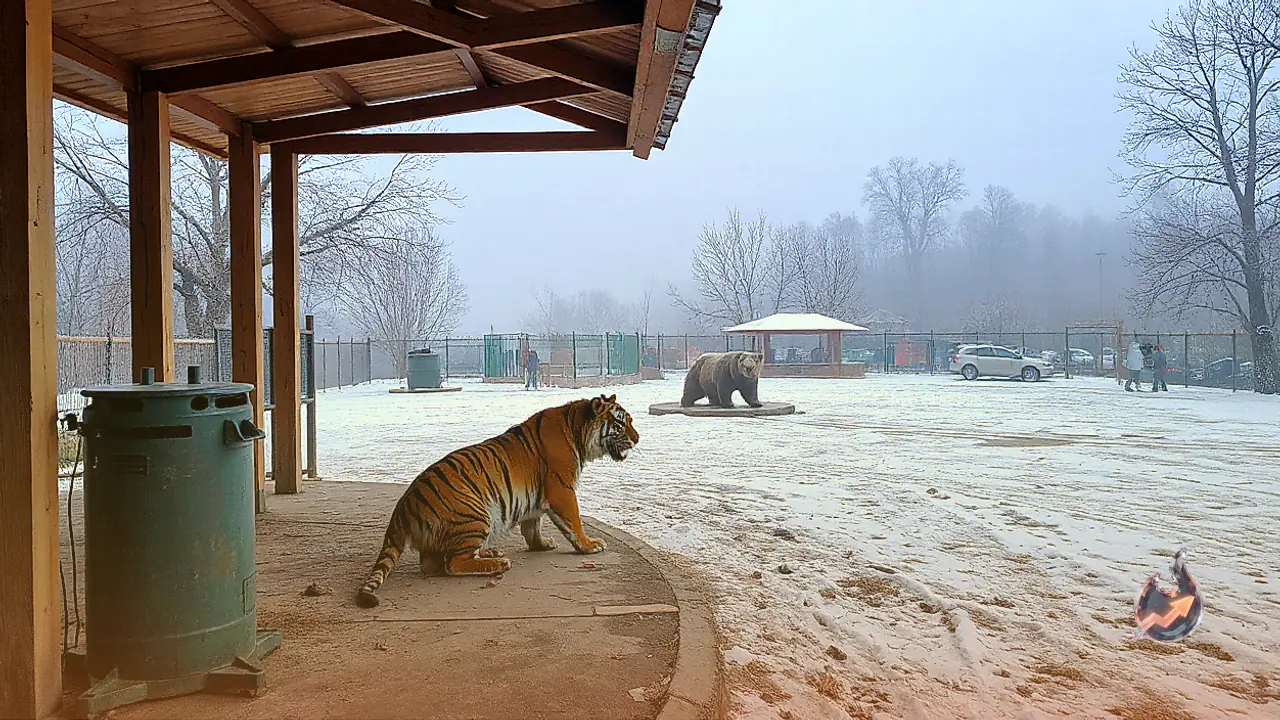

As temperatures plummet across the hill station, the Nainital Zoo administration has rolled out comprehensive measures to safeguard the health and well-being of its captive animals. With sharp, chilly winds sweeping through the area during early mornings and late evenings, caretakers have begun shielding enclosures to protect the wildlife from the harsh weather conditions.
Enclosure Adjustments and Heating Equipment
To block the biting cold drafts, enclosures are being fitted with specialized windproof curtains and custom-made mats woven from bamboo stalks. These barriers are designed to prevent cold air from directly impacting the animals. Furthermore, authorities have installed electric blowers inside the enclosure of the Bengal tiger, a species naturally accustomed to warmer climates, to maintain a comfortable ambient temperature.
Revised Diets and High-Energy Foods
The nutritional intake for various species has been significantly modified to help them generate adequate body heat during the winter months. Bears are now receiving supplementary portions of honey and jaggery to boost their energy levels. Meanwhile, carnivorous residents such as lions and tigers have been allocated larger quantities of protein-rich meat. Birds housed at the facility are also being provided with extra eggs to meet their heightened metabolic needs.
Balancing Daytime Sunshine and Night Frost
While bright daytime sunlight offers temporary relief and allows various animals to bask in the open, temperatures drop sharply after sunset. Zoo biologist Anuj Kandpal noted that dietary plans and enclosure conditions have been adjusted based on the specific biological requirements of each species during the cold season. Zoo ranger Anand Lal added that strict protocols are maintained for the carnivores.
Digestive Health and Fasting Routines
To ensure that the animals do not suffer from digestive sluggishness due to reduced physical activity in the cold, a structured routine is implemented. Carnivorous wildlife are put on a single-day fast at designated intervals to keep their digestive systems functioning smoothly. All these arrangements are strictly executed in accordance with the guidelines set by the Central Zoo Authority to ensure the animals remain healthy throughout the winter.