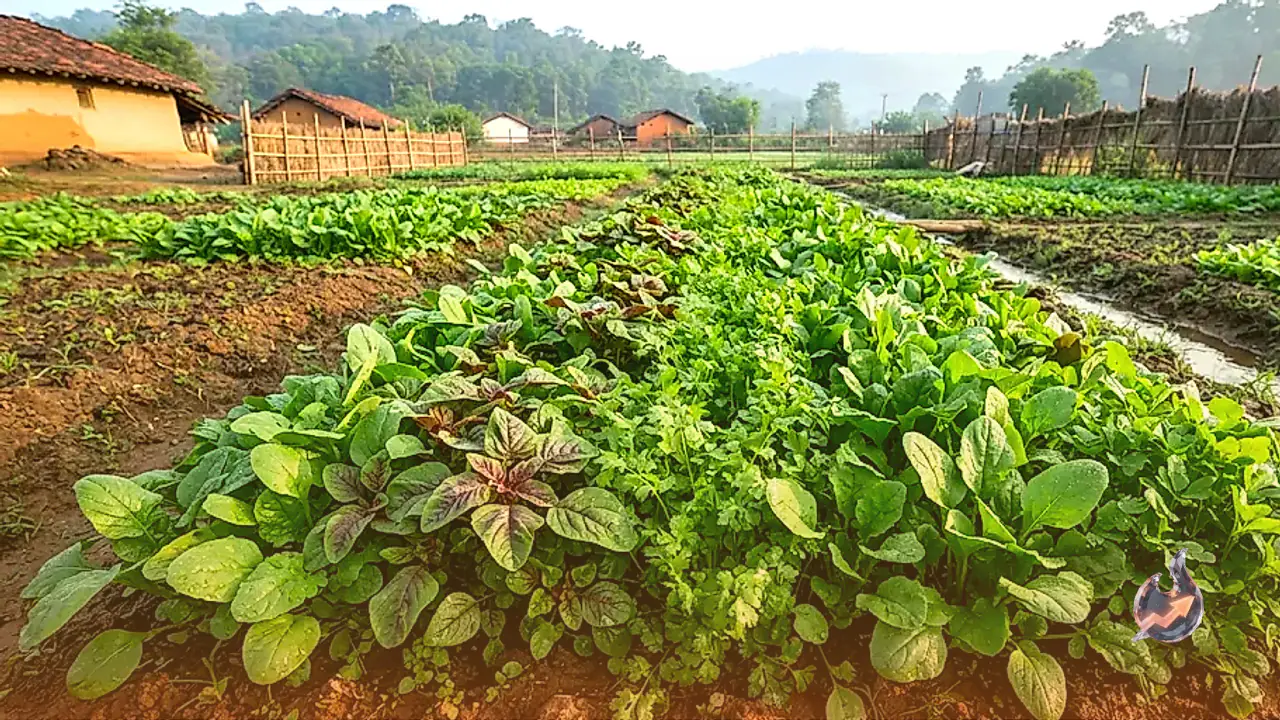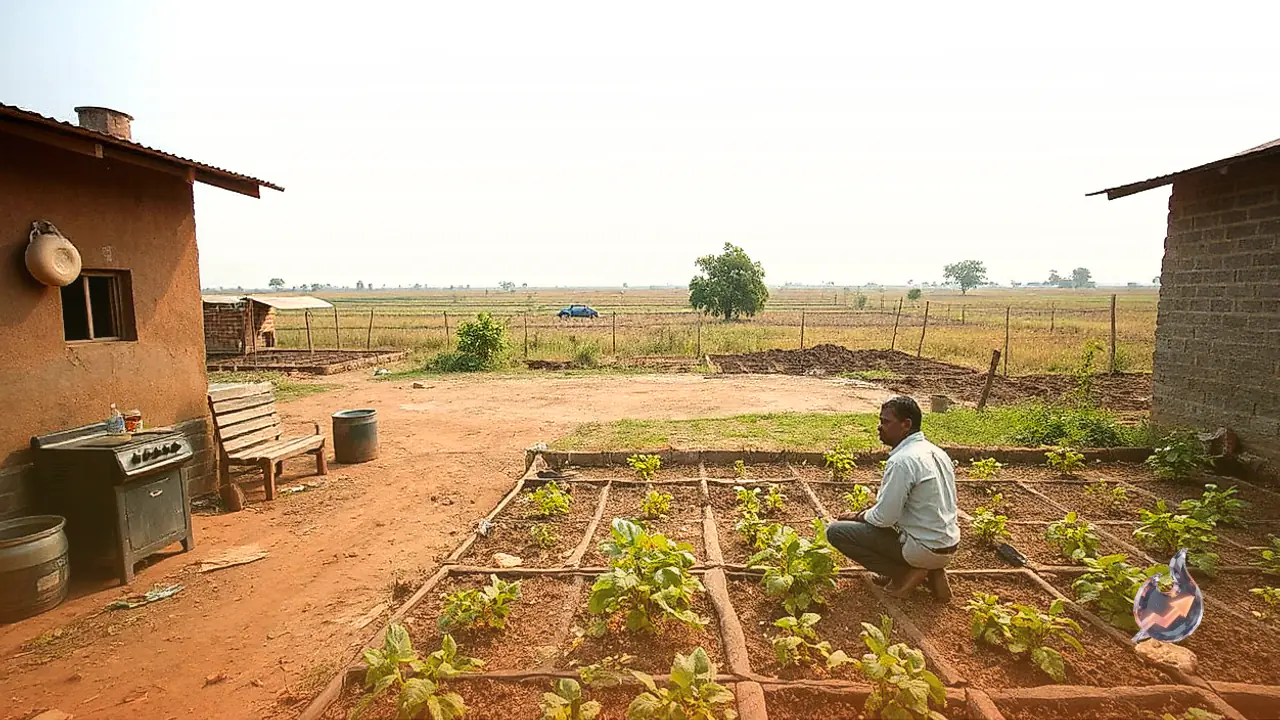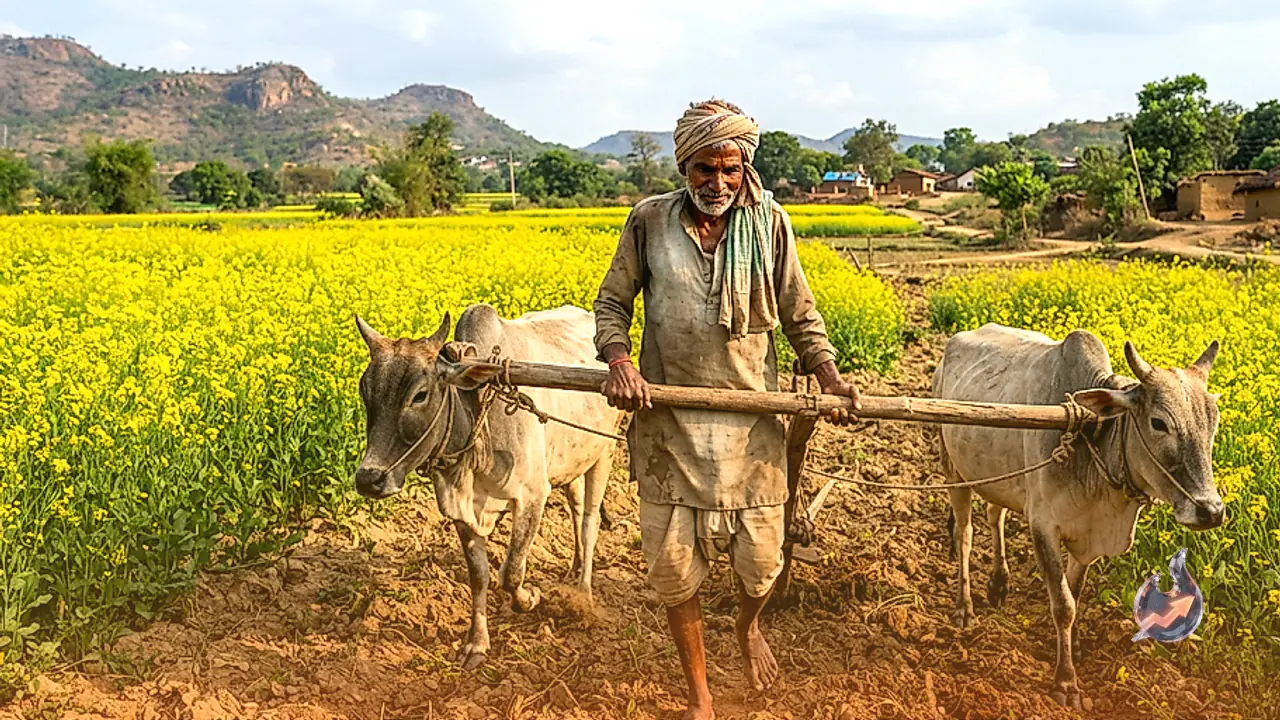







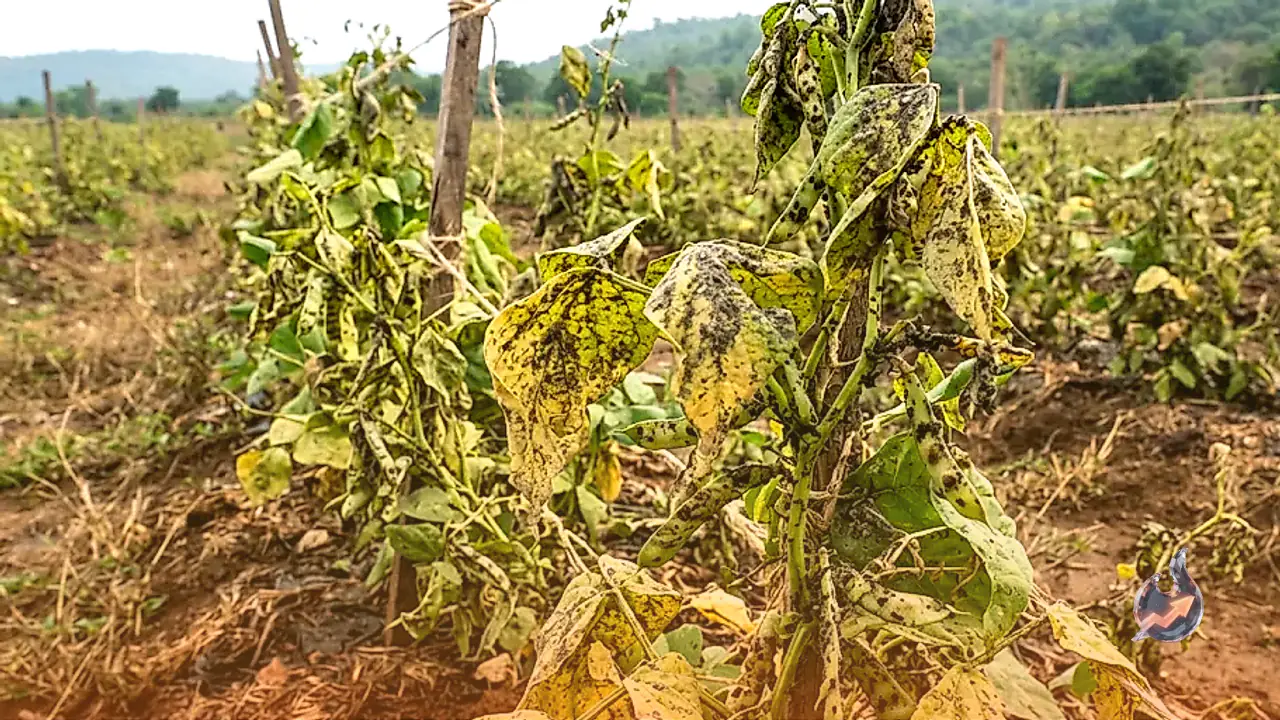















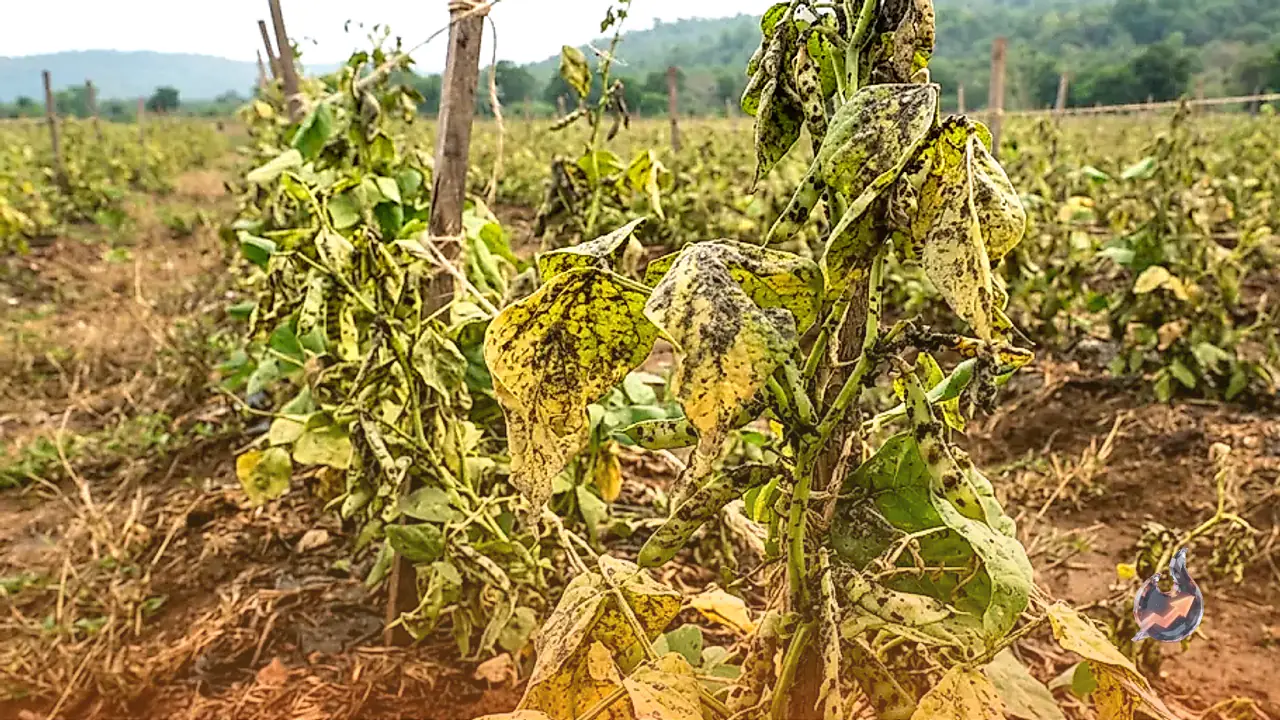

Farmers across the Bastar region of Chhattisgarh are actively cultivating cluster beans during the ongoing winter season, but an alarming outbreak of pests inside the fields is rapidly destroying the crops. Since cluster beans enjoy robust demand in the commercial market, failing to control these destructive insects in a timely manner could inflict massive financial losses upon the local farming community. Agricultural expert Dr. Agniwa Halder recently shed light on the nuances of cluster bean cultivation and the escalating threat posed by various crop diseases.
Major Pests Threatening the Harvest
According to Dr. Agniwa Halder, cluster bean is cultivated quite extensively across Bastar and stands out as a highly nutritious agricultural produce. In recent times, farmers have been grappling with a widespread issue of holes appearing on plant leaves, a problem primarily driven by caterpillars. These persistent insects bore holes through the foliage and chew away the leaves. Furthermore, the crop frequently attracts whiteflies, which latch onto the plants and feed by sucking out vital sap.
Chemical Interventions for Pest Control
To combat problems like whiteflies effectively, farmers need to rely on systematic insecticides. This requires utilizing fipronil at a dosage of two milliliters per liter, translating to about 30 milliliters per drum of water. Meanwhile, managing caterpillars demands the use of an order digital compound at five milliliters per liter, which is mixed as 15 milliliters in a spray drum and applied directly onto the leaves to neutralize the threat.
Combatting Root Rot and Fungal Infections
Beyond surface insects, underground ailments also pose a significant challenge to agricultural yield. Dr. Halder further noted that root rot frequently impacts the crop, which is fundamentally a fungal disease. As a natural and accessible remedy against this, farmers can apply turmeric powder at five grams per liter of water. In addition, chemical fungicides such as carbon dioxide, mancozeb, and saf can also be deployed when necessary.
The Dangers of Powdery Mildew and Bacterial Wilt
Bacterial and fungal infections represent yet another layer of vulnerability for the harvest. Dr. Agniwa Halder pointed out that crop fields also exhibit symptoms of powdery mildew and bacterial wilt, conditions triggered by bacterial pathogens spreading through the plants. These afflictions cause the affected flora to wither away completely. To check for this specific bacterial wilt, experts recommend cutting a small section of the cluster bean stem and dropping it into a glass of water, which causes poppy-like microscopic threads to emerge from the cut.