



















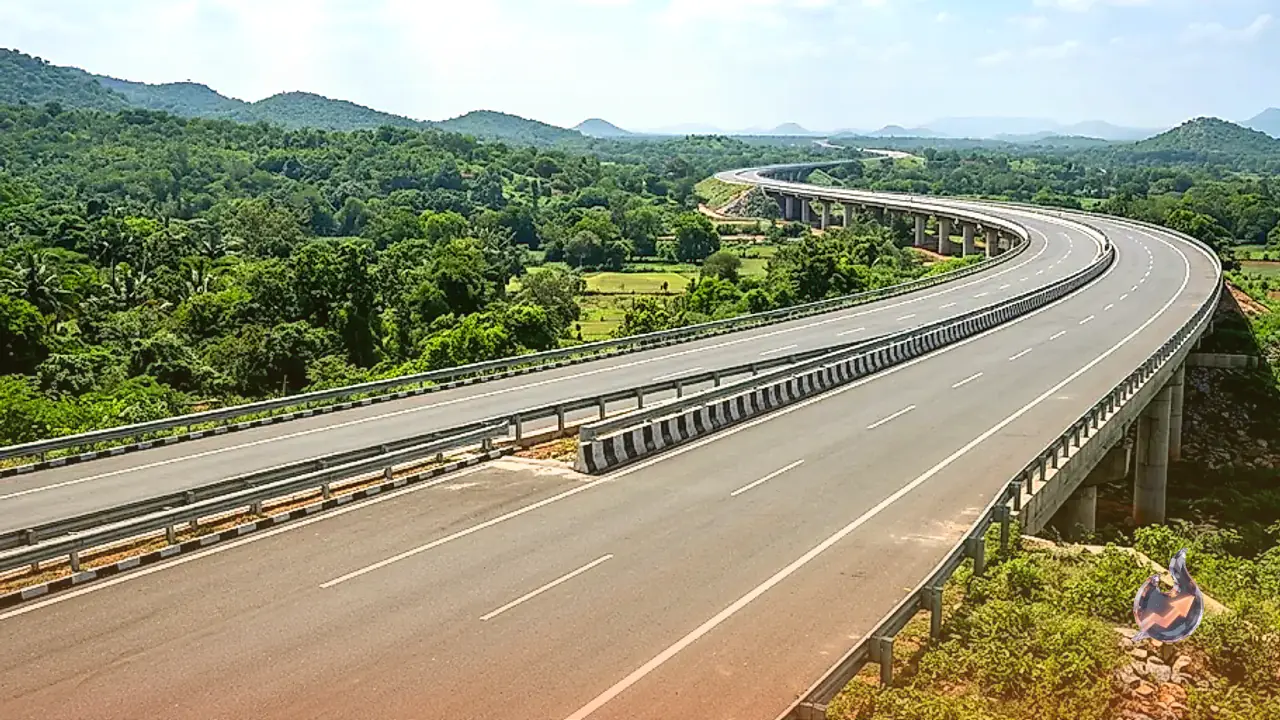

The Central Government has granted in-principle approval for the construction of India's longest 4-lane elevated corridor, connecting the states of Andhra Pradesh and Telangana. Spanning a total distance of 87 kilometers, this ambitious highway project will stretch from Dornala in Andhra Pradesh to Brahmanapalli in Telangana. Officially named the Peddaravedu-Srisailam Corridor, the elevated highway is designed to streamline travel for pilgrims visiting the famous Srisailam Temple while preserving the delicate biodiversity of the Nallamala Forest region.
Drastic Reduction in Travel Time and Commute Distance
Currently, commuters traveling between Dornala and Brahmanapalli are forced to take a circuitous 270-kilometer route that threads through dense forest terrain. This journey routinely takes more than 6 hours to complete and poses safety risks due to difficult driving conditions. Once the new Peddaravedu-Srisailam Elevated Corridor is completed, the route length will drop sharply to just 87 kilometers. Drivers will be able to cover the distance in approximately 1 hour, avoiding the need to traverse forest floors and bypassing heavy traffic bottlenecks.
Project Cost Allocation and State Breakup
The total estimated cost for constructing this elevated corridor stands at approximately ₹18,000 crore. Out of this total outlay, the Central Government has already accorded in-principle approval for ₹12,000 crore. The proposal for this infrastructure development was initially conceptualized following Prime Minister Narendra Modi's visit to Srisailam. Geographically, about 42 kilometers of the 87 km corridor will be built inside Andhra Pradesh, while the remaining 45 kilometers will fall within Telangana territory.
Protecting Wildlife and Eliminating Night Travel Bans
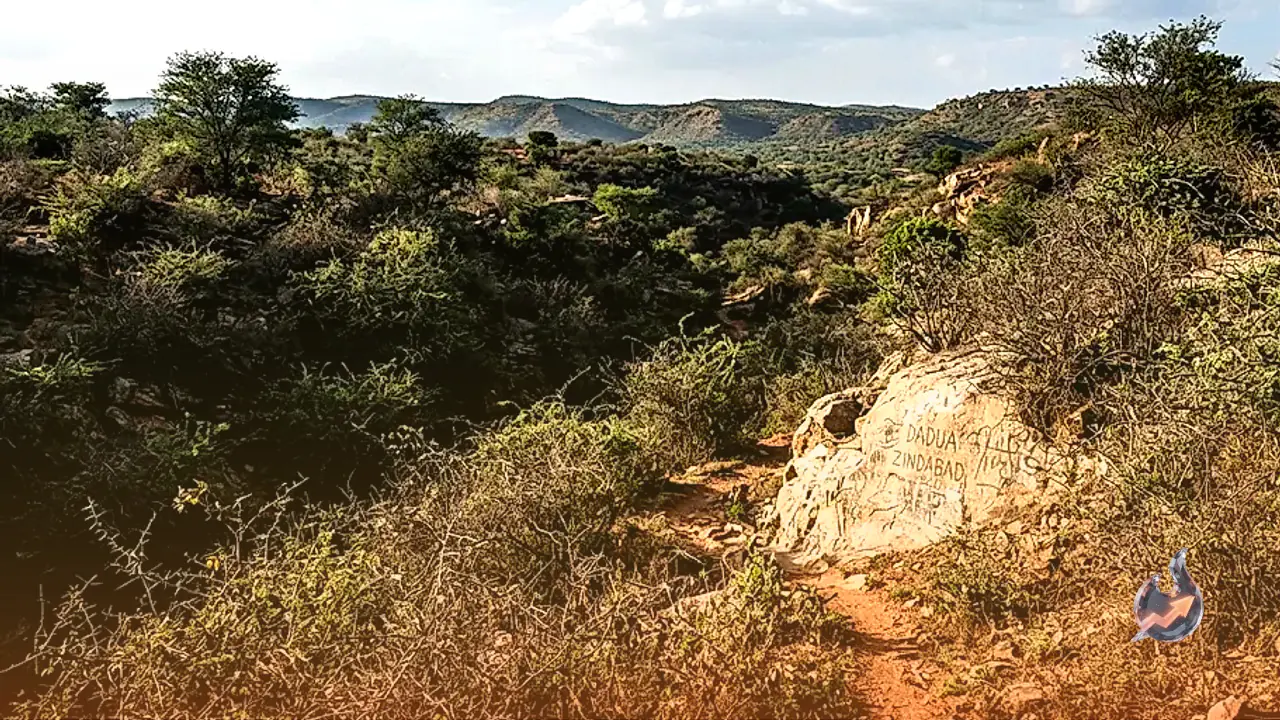
The existing ground road passes directly through the Nallamala Forest, requiring commuters to cross between the Nagarjunasagar-Srisailam Tiger Reserve and the Amrabad Tiger Reserve. To protect wild animals from vehicular noise and headlights, authorities currently enforce a complete night traffic restriction from 9 PM to 6 AM. This rule prevents 24/7 highway connectivity. By elevating the four-lane highway above the tree canopy, vehicles can operate continuously without disturbing the movement or peace of wildlife on the forest floor below.
Engineering Challenges and Enhanced Road Safety
The National Highways Authority of India (NHAI) is overseeing the execution of this infrastructure project. Erecting massive structural pillars within a dense forest ecosystem presents the primary engineering hurdle. To prevent unauthorized entry into protected forest zones, NHAI has planned very few access points along the elevated stretch. This design will minimize ground-level vehicular presence and significantly reduce accident risks compared to the current hazardous highway sections. Commuters traveling on the elevated bridge will also enjoy a unique aerial view of tigers, bears, and other wildlife roaming in the reserve below.
Boosting Eco-Tourism and Regional Economic Growth
The completion of the corridor is set to deliver a major boost to regional tourism and the local economy. During festive periods, existing routes such as Highway 565 and Highway 765 experience severe gridlock, disrupting travel and disturbing local fauna. According to NHAI, the new elevated structure will ease this congestion, providing smooth access for temple devotees as well as nature enthusiasts eager to explore the forest ecosystem. The resulting surge in visitors is expected to stimulate business activities across both Andhra Pradesh and Telangana.