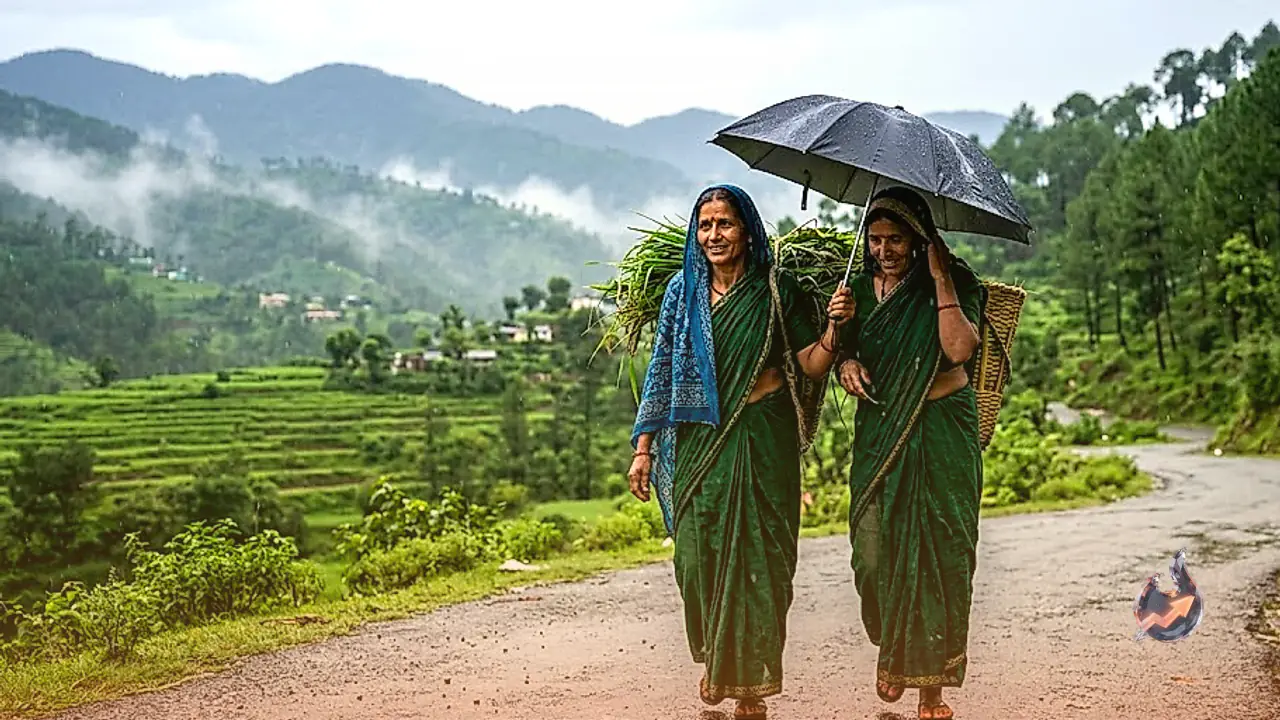





















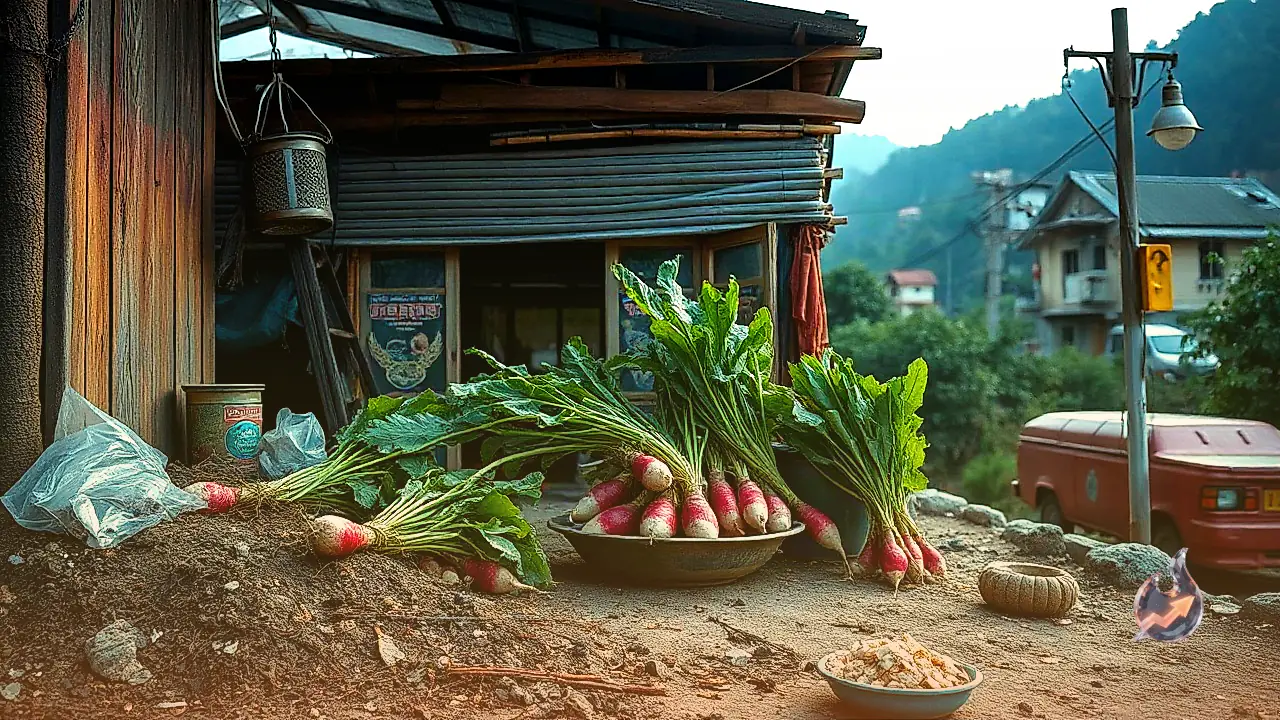

The picturesque mountain ranges of Uttarakhand are celebrated not only for their scenic natural vistas, but also for their enduring agricultural heritage and unique culinary traditions. The mountain radish cultivated across these hills stands out as a prime representation of this indigenous produce. In comparison to the standard radishes harvested across the plains, this highland variety exhibits a noticeably distinct size, coloration, texture, and flavor. For generations, it has remained an essential element of local gastronomy, prepared not merely as a fresh salad accompaniment, but also cooked into rich vegetable preparations and preserved as piquant traditional pickles.
Dual Shapes and Regional Growing Characteristics
According to local growers and residents, two primary varieties of this vegetable are commonly found across the hilly terrain. One variety develops into a pronounced round shape, whereas the other grows in an elongated, tapered form. Both varieties depart visibly from the standard cylindrical shape of the common plains radish. Thriving under specific highland climatic conditions and local soil parameters, the mountain radish acquires a distinct density and outer texture. Depending on regional elevation and growing conditions across diverse valleys, noticeable variations in hue and girth can also be observed.
Sharper Pungency and Full Plant Utilization
The culinary appeal of the mountain radish lies primarily in its sharper, more intense bite and a distinctive natural fragrance that sets it apart from plains-grown counterparts. This bold pungency has earned it a revered spot across local kitchens seeking pronounced authentic flavours. A particularly remarkable feature of this highland crop is the complete culinary utility of the plant. Consumption is not restricted to the underground root structure; the tender stems and lush green leaves are equally prized. Local cooks prepare dry vegetable sautés from the greens or chop them finely to simmer alongside lentils and traditional pulses, utilizing every part of a single harvest to craft hearty regional meals.
Nutritional Composition and Medical Perspective
From a dietary viewpoint, this mountain root vegetable provides considerable nutritional value. Dr. MS Dugtal, a physician at BD Pandey District Hospital in Nainital, observes that radish contains high proportions of water and dietary fiber, alongside essential micronutrients including vitamin C, potassium, manganese, and iron. The dietary fiber content aids in maintaining a healthy digestive system. According to Dr. MS Dugtal, both the root and the leafy tops can readily be incorporated into a balanced nutritional diet. However, he clarifies that while it can safely form part of an individual's regular meals, it should not be treated as a clinical substitute or cure for jaundice or other serious liver ailments.
Harvest Window, Pricing and Tourist Appeal
The commercial presence of the mountain radish in regional bazaars is tied to a strictly defined harvesting window. Deepesh, a local vegetable vendor based in Nainital, notes that the crop is primarily available across the hills between July and October. This harvest calendar contrasts with the plains, where radishes predominantly flood agricultural markets during the peak winter months. This seasonal scarcity, paired with its punchy profile, makes the vegetable a strong draw for both local households and travelers. Deepesh states that the mountain radish typically sells for around 50 to 60 rupees in Nainital markets, with minor price variations occurring depending on weather developments, physical size, and localized market demand. Many travelers visiting Nainital actively seek out authentic mountain produce to take home, keeping demand robust throughout the harvest window.
Key Cultivation Pockets Around Nainital
Agricultural cultivation and direct trade of this specialty radish are concentrated around several distinct rural clusters surrounding Nainital. Local residents highlight Nayna village, Baldiyakhan, and Khurpatal as key pockets whose yields enjoy widespread recognition for exceptional taste and specific dimensions. The localized geographic contours, elevation, and time-tested farming techniques native to these villages collectively impart the mountain radish with its signature punch and culinary standing.