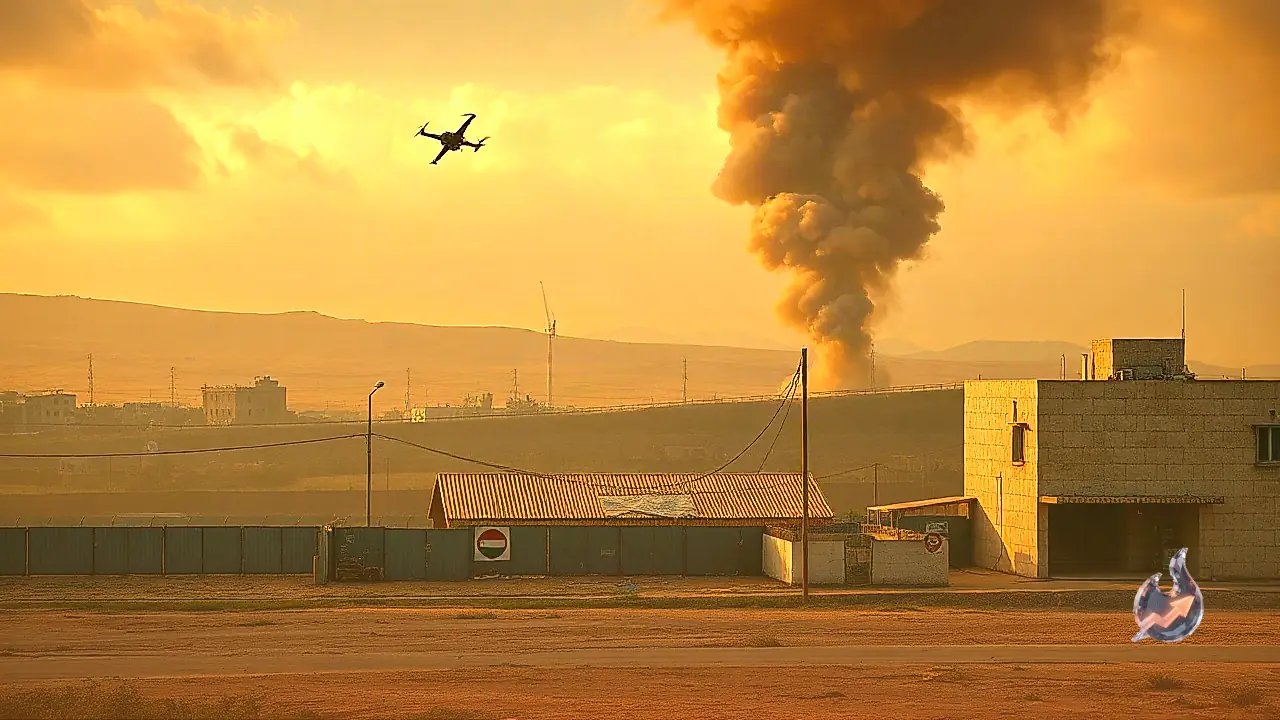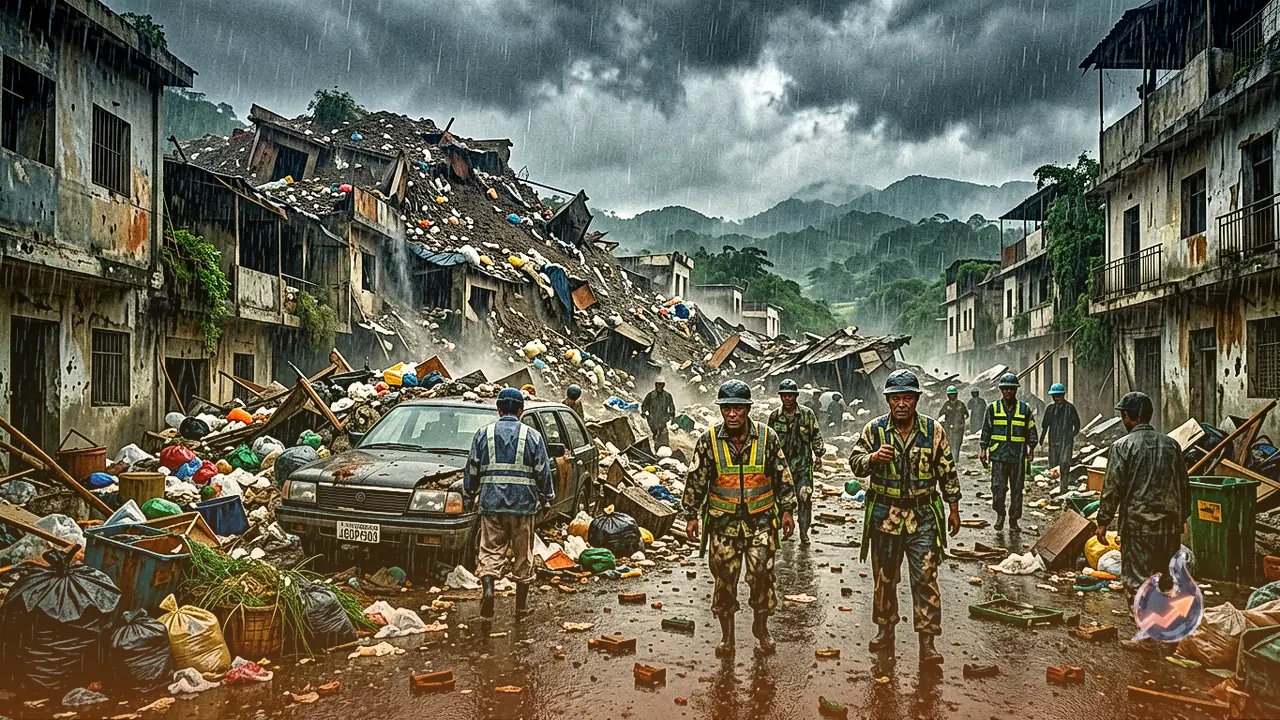






















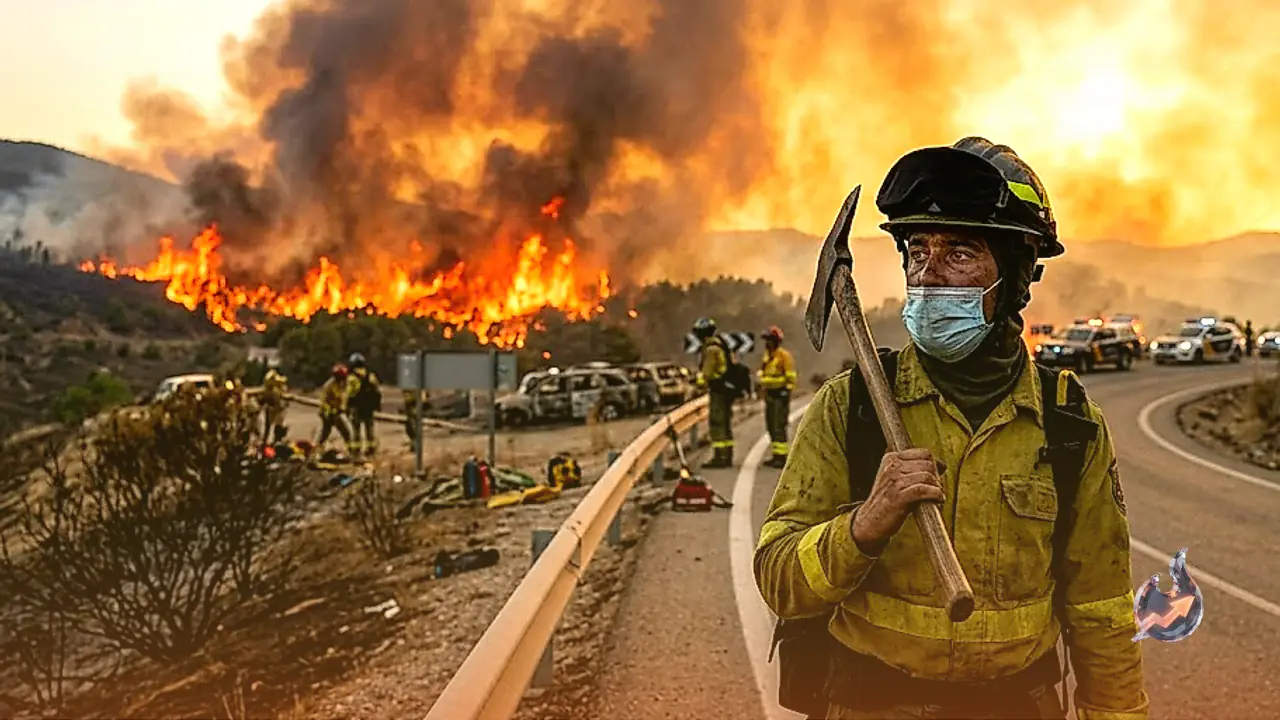

A catastrophic wildfire has swept through the Andalusia region of southern Spain, leaving a trail of devastation, claiming at least eleven lives, and leaving nineteen others missing. The regional leader of Andalusia, Juanma Moreno, confirmed the harrowing details of the incident, which has sparked an intense search and rescue operation in the affected areas. The blaze, which rapidly expanded through the wooded landscapes surrounding Los Gallardos in the province of Almería, has become one of the most severe fire emergencies the region has faced in recent history.
Devastation Across Bédar and Los Gallardos
According to regional emergency services, the bodies of the eleven victims discovered so far were located in and around Bédar, a small village situated just outside the larger municipality of Los Gallardos. Local officials have indicated that early assessments suggest at least four of the deceased individuals may be of British nationality. The speed at which the fire advanced left residents and visitors with very little time to evacuate, trapping many in their homes or vehicles as the flames engulfed the dry forest terrain.
Andalusia’s minister for health and emergencies, Antonio Sanz, described the progression of the wildfire as exceptionally rapid and complex. He noted that the vast majority, if not all, of the victims identified so far might be foreign nationals who resided in or were visiting the scenic region. Although the regional administration had initially released a provisional death toll of twelve, Sanz later clarified that the official confirmed count stands at eleven, emphasizing that the figure remains provisional as search operations continue amidst the smoldering debris.
Victims Trapped in Vehicles and Escape Routes
Providing further details on the casualties, Antonio Sanz revealed that four of the victims were discovered trapped inside a single passenger vehicle. The intensity of the fire prevented them from escaping the car, which was found with a right-hand steering wheel, strongly suggesting the occupants were of British origin. Seven other victims were located in separate areas nearby, having apparently abandoned their properties or vehicles in a desperate attempt to outrun the approaching flames on foot.
The tragedy has also left several people injured. Emergency medical teams have transported four individuals to local hospitals with severe burns, where they are currently receiving specialized treatment. Another four people have been treated for minor burns and acute respiratory complications caused by the heavy, suffocating smoke that has blanketed the entire Almería province, making visibility extremely low for both residents and rescue operations.
Infrastructure Under Scrutiny and Cause of the Fire
The regional president, Juanma Moreno, expressed deep sorrow over the loss of life, stating that the local government and communities are completely devastated by grief. He warned that the scale of the tragedy could expand as emergency crews gain access to areas that remain too hot or dangerous to search thoroughly.
Regarding the origin of the disaster, Moreno stated during an interview on Cadena Ser radio that preliminary evidence points toward the collapse of an electricity power line pole, which subsequently ignited the surrounding dry vegetation. He emphasized that a thorough investigation would be launched to confirm this hypothesis and asserted that those responsible for the maintenance and safety of the electrical infrastructure would be held fully accountable for any negligence that contributed to the outbreak.
Mass Evacuations and Military Deployment
In response to the fast-moving front, emergency coordinators ordered the evacuation of approximately 1,000 residents from Bédar, Los Gallardos, and nearby settlements. Major roads in the vicinity have been closed to civilian traffic to allow unobstructed passage for emergency vehicles. Hundreds of firefighters, supported by aerial water bombers and ground machinery, are actively battling the flames under highly challenging meteorological conditions.
Spain's Military Emergency Unit (UME), a specialized branch of the armed forces deployed during national disasters, has been mobilized to assist local crews in Los Gallardos. This major deployment aligns with statements made earlier this year in May by Prime Minister Pedro Sánchez, who had promised that Spain would implement its largest-ever summer wildfire response strategy to combat the increasing threat of seasonal forest fires.
The European Heatwave and the Role of Climate Change
This devastating incident comes amid a prolonged and severe summer heatwave that has gripped southern Europe, pushing daily temperatures up to around 40C (104F). The extreme heat and lack of rainfall have turned forests across the Mediterranean basin into tinderboxes, fueling major wildfires not only in Spain but also in neighboring France and Portugal, where thousands of residents and tourists have also been forced to flee their homes.
A scientific analysis conducted by the World Weather Attribution group at Imperial College London has directly linked the worsening severity and frequency of fire seasons in the Mediterranean region to the global effects of climate change. Environmental scientists continue to warn that as global average temperatures rise, European nations must prepare for more frequent, intense, and destructive wildfire events, which will place unprecedented pressure on local water supplies and emergency infrastructure.