




















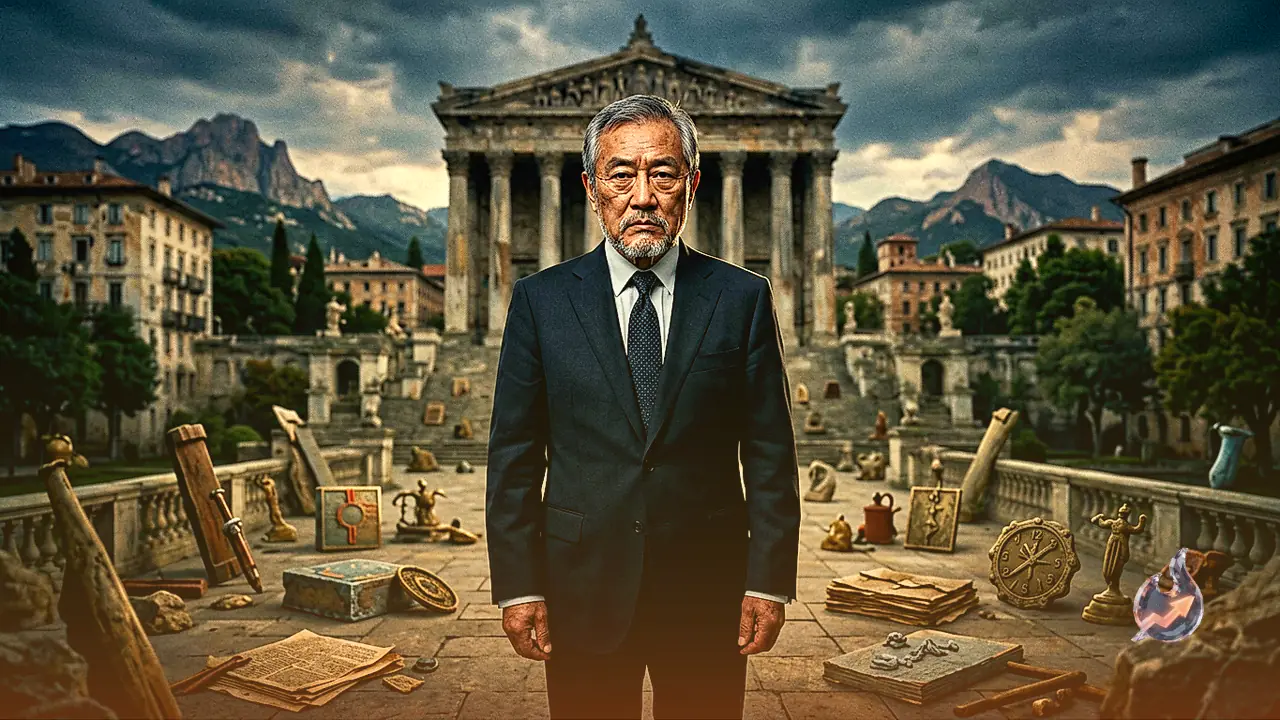

The European Court of Human Rights has issued a decisive ruling directing Turkey to immediately release activist and philanthropist Osman Kavala, who has been imprisoned for nearly a decade. The tribunal declared that his ongoing detention is unlawful and that his fundamental rights to a fair trial, freedom of expression, and freedom of association have been severely violated. Furthermore, the court determined that the aggravated life sentence handed down to him constitutes inhuman and degrading treatment, highlighting a deep systemic flaw within the Turkish judicial system regarding political dissent.
The Gezi Park Protests and Coup Allegations
Osman Kavala was sentenced to life in prison in 2022 following charges connected to the nationwide protests of 2013 and a failed coup attempt that took place three years later. Ever since his initial arrest in 2017, human rights organizations and Kavala himself have maintained that all accusations against him are politically motivated. Amnesty International noted that prosecutors falsely alleged that the demonstrations, which initially started in Istanbul's Gezi Park before spreading across the country, were an orchestrated attempt to overthrow the government.
Judicial Independence and Systemic Flaws
In its ruling, the Strasbourg-based court noted that Osman Kavala's case exposes a broader structural problem in Turkey involving the routine detention and prosecution of political opponents, human rights defenders, and journalists. The court emphasized that these actions point to structural shortcomings that undermine the independence and impartiality of the country's judiciary. Conversely, the Turkish government has consistently maintained that its courts operate independently and fairly.
A Prolonged Legal Ordeal and Rearrests
Osman Kavala, who is 68 years old, emerged as a central symbol of the government crackdown on civil society following his arrest in October 2017. Although the ECHR previously demanded his immediate release in 2019, Turkey ignored the directive. He was briefly acquitted in February 2020, only to be rearrested within hours on fresh allegations linked to the 2016 military coup attempt. His previous acquittal was subsequently overturned in January 2021, culminating in his life sentence in April 2022, a conviction that the European court has now declared null and void.
Reactions from Human Rights Advocates
Responding to the latest legal development, Eve Geddie of Amnesty International stated that this obstruction of justice must end. She insisted that Turkey's authorities, including judicial and prosecutorial bodies, must act to free Osman Kavala immediately and unconditionally. Born in Paris and educated in the UK, Kavala previously managed a cultural center before gaining unwanted prominence. Turkish President Recep Tayyip Erdogan has previously accused him of acting as an agent for Hungarian-born US billionaire George Soros.
Diplomatic Fallout and Council of Europe Scrutiny
Turkey has previously refused to comply with two prior ECHR rulings on the matter, leaving uncertainty over whether Ankara will enforce this third binding judgment. The case remains a major flashpoint between Ankara and Strasbourg. The Council of Europe, which oversees the implementation of rulings across its 46 member states, holds the authority to freeze membership or suspend voting rights for severe rule of law violations. Although Turkey has disregarded multiple key decisions, it remains a founding member of the organization. A forthcoming meeting of the Committee of Ministers in mid-September is expected to prioritize the case, though whether harsher punitive measures will be debated remains to be seen.