

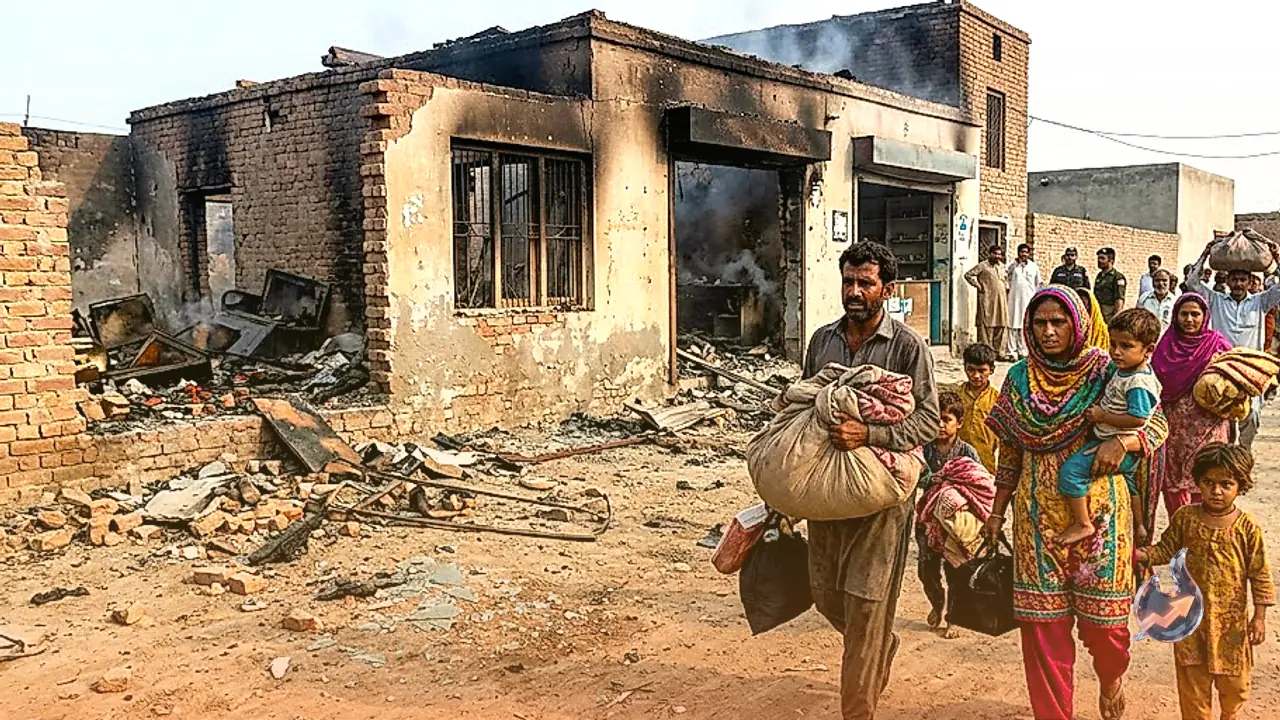
















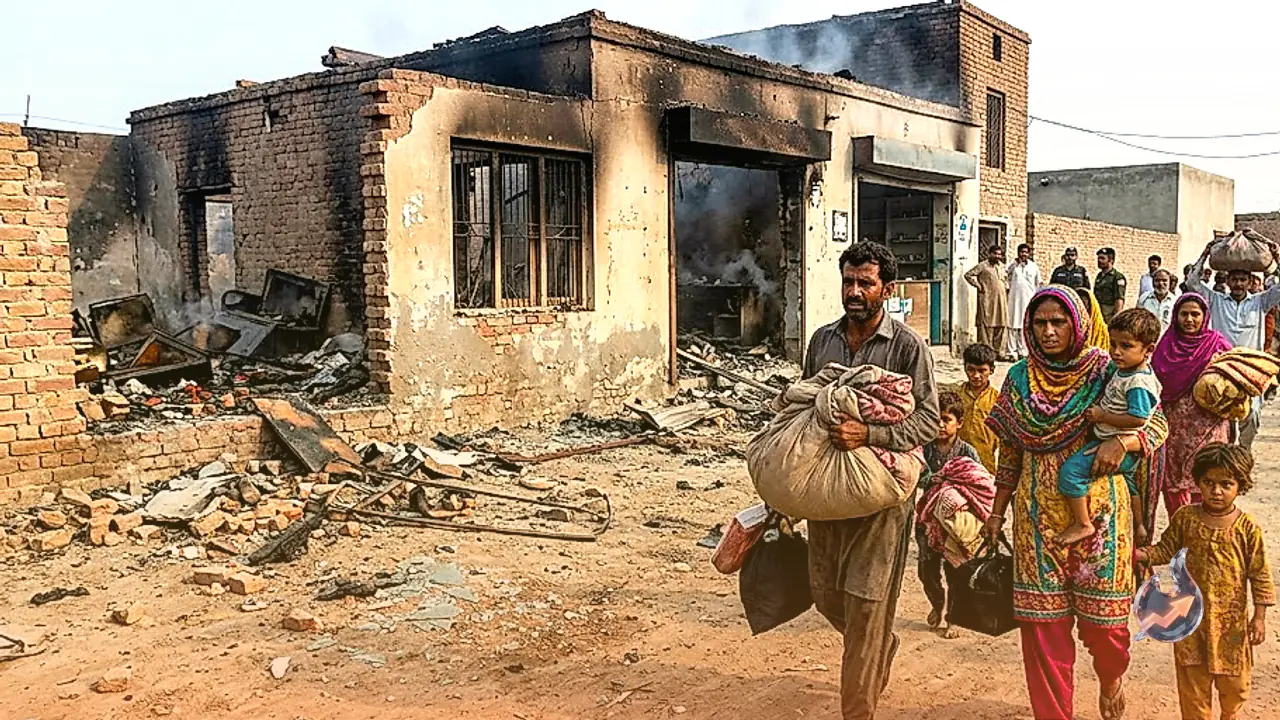

Tensions surged in Pakistan's Punjab province following fresh blasphemy accusations against a local minority resident, triggering widespread panic and forced displacement. Kamran Masih, a 40-year-old Christian running a modest pharmacy in the village of Ghariyal Kalan, was taken into custody after being accused of religious desecration, after which an aggressive mob razed his property and business to the ground. The intense fear of collective retributive violence compelled more than 35 Christian families residing in the vicinity to pack their belongings and flee their homes.
WhatsApp Video Leads to Detention
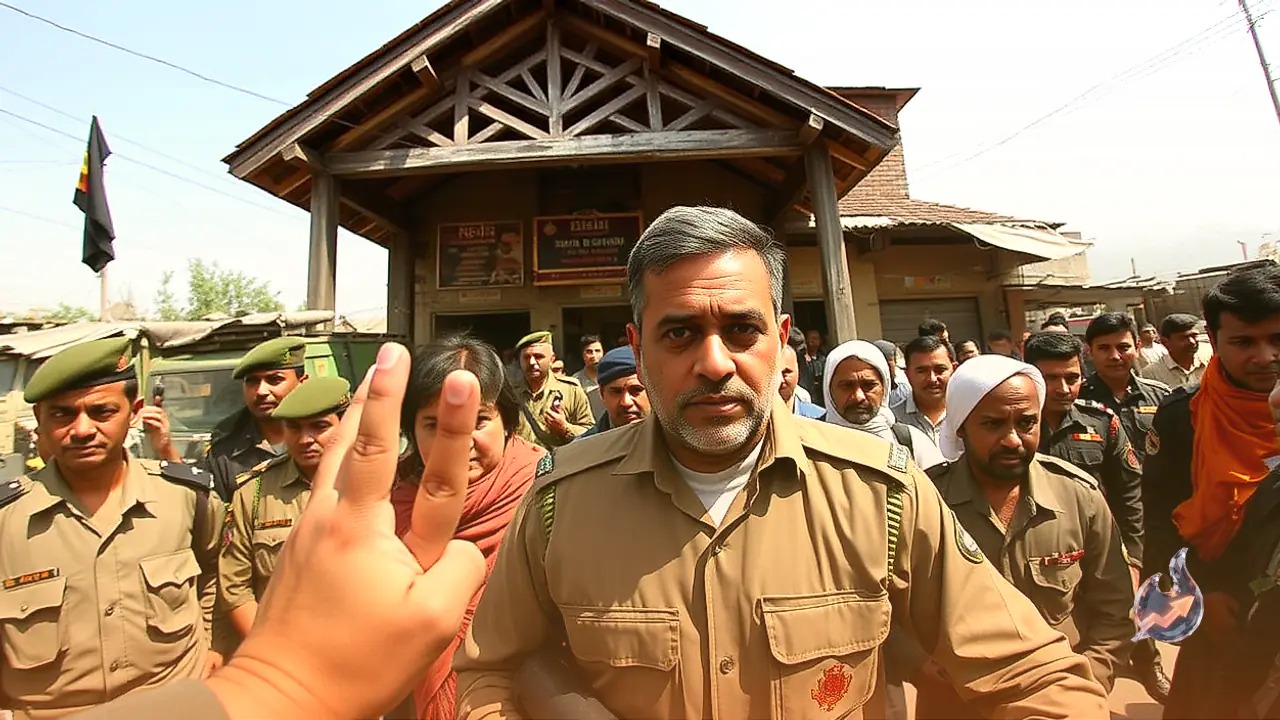
The controversy began when local Muslim residents accused Masih of sharing a blasphemous video inside a WhatsApp messaging group. Following these allegations, law enforcement officials intervened quickly and arrested the 40-year-old chemist from his village. However, the official police action failed to pacify the rising anger among local hardliners.
Word of Masih's detention spread rapidly throughout Ghariyal Kalan and neighboring localities. Anticipating retaliatory violence against the broader minority neighborhood, Masih's relatives and dozens of other Christian households immediately started evacuating the area to avoid falling victim to mob vigilantism.
Arson Attack and Large-Scale Exodus
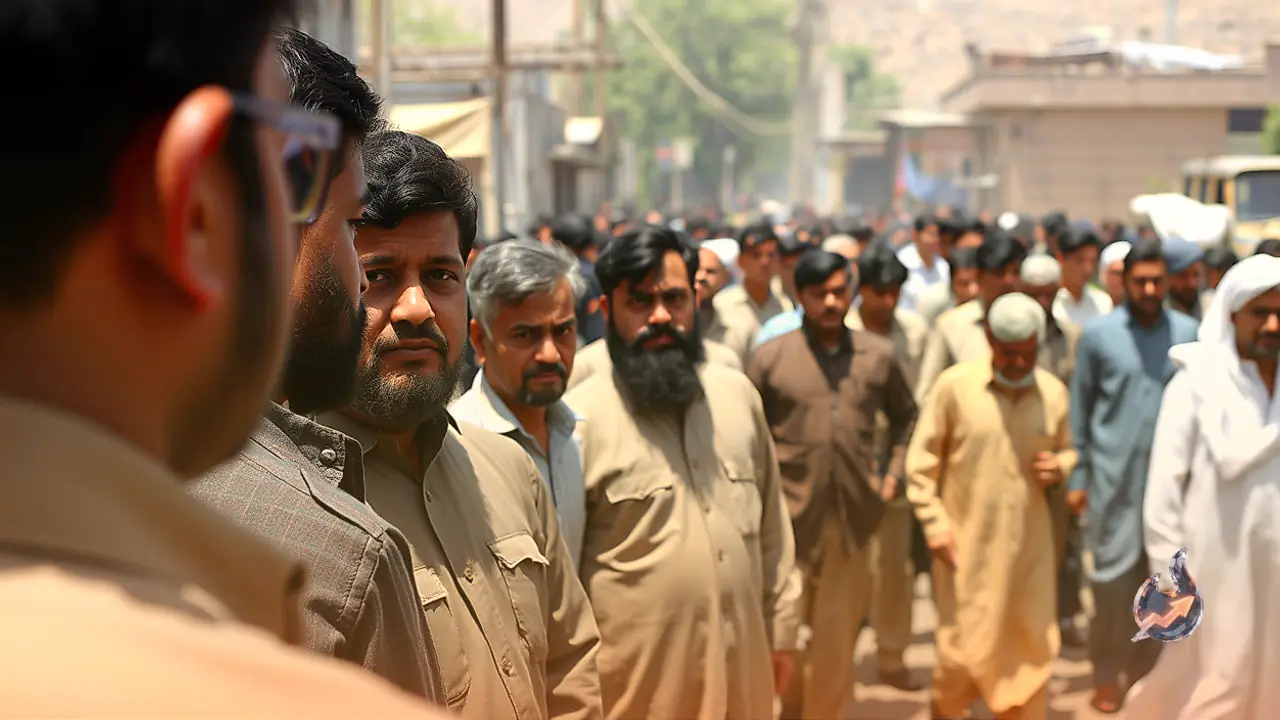
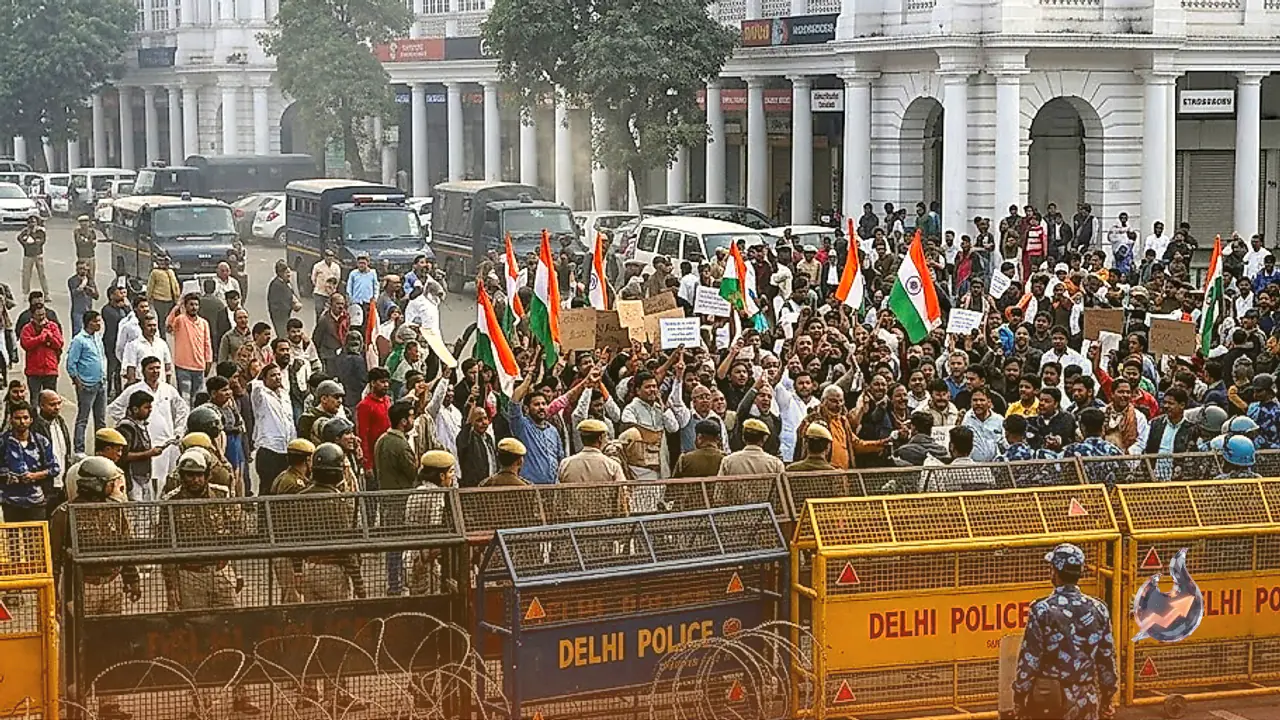
A day after the arrest, a large gathering of demonstrators marched toward Masih's residential quarters and pharmacy. The demonstration quickly turned violent as crowds surrounded the premises, chanting slogans before setting both the medical store and his residence on fire. The arson attack left both structures severely damaged.
The destruction intensified panic across the local Christian community. Terrified of potential physical attacks, over 35 Christian households abandoned their dwellings. Legal analysts and civil liberties monitors pointed out that this pattern reflects a chronic issue across the country, where mere accusations of blasphemy regularly trigger mob violence long before any legal adjudication can occur.
Rights Advocates Condemn Institutional Inaction
Addressing the escalating climate of vulnerability, Voice of Pakistan Minority (VOPM) issued a strongly worded assessment on July 22, accusing the state apparatus of failing to stem the rampant weaponization of blasphemy statutes. The advocacy organization underscored that these legal provisions have become standard tools for settling private grievances, business rivalries, and personal feuds, with non-Muslim minorities bearing the brunt of the devastation.
According to VOPM, the inability of the judicial and administrative structure to shield innocent individuals from unsubstantiated claims stands as one of the most glaring failures of the state. When state machinery capitulates to street pressure, minorities are left entirely defenseless against mass hysteria.
Echoes of the Rimsha Masih Tragedy
Drawing parallels to past structural failures, VOPM cited the prominent case of Rimsha Masih, a young Pakistani Christian girl diagnosed with Down syndrome who was falsely implicated in desecrating the Quran. Subsequent inquiries established that the allegations against her had been entirely fabricated by local figures seeking community expulsion.
While Rimsha was eventually cleared of all charges by the judiciary, the damage inflicted on her family was irreversible. They endured tremendous emotional trauma, displacement, and permanent social uprooting. Human rights advocates emphasize that Rimsha's ordeal demonstrates how a single accusation can devastate innocent lives well before formal evidentiary review takes place in court.
Culture of Impunity Fuels Recurrent Violence
Legal observers and human rights advocates frequently fault the judiciary and law enforcement bodies for exhibiting leniency toward individuals who orchestrate false blasphemy charges. By avoiding rigorous prosecution of vigilante leaders and malicious complainants, authorities effectively encourage further violence.
VOPM warned that the chronic failure to hold fabricators accountable sends a dangerous signal that communal intimidation carries zero legal consequences. This lack of judicial accountability continues to erode public trust in the legal order while leaving vulnerable minority populations exposed to perpetual uncertainty and peril.