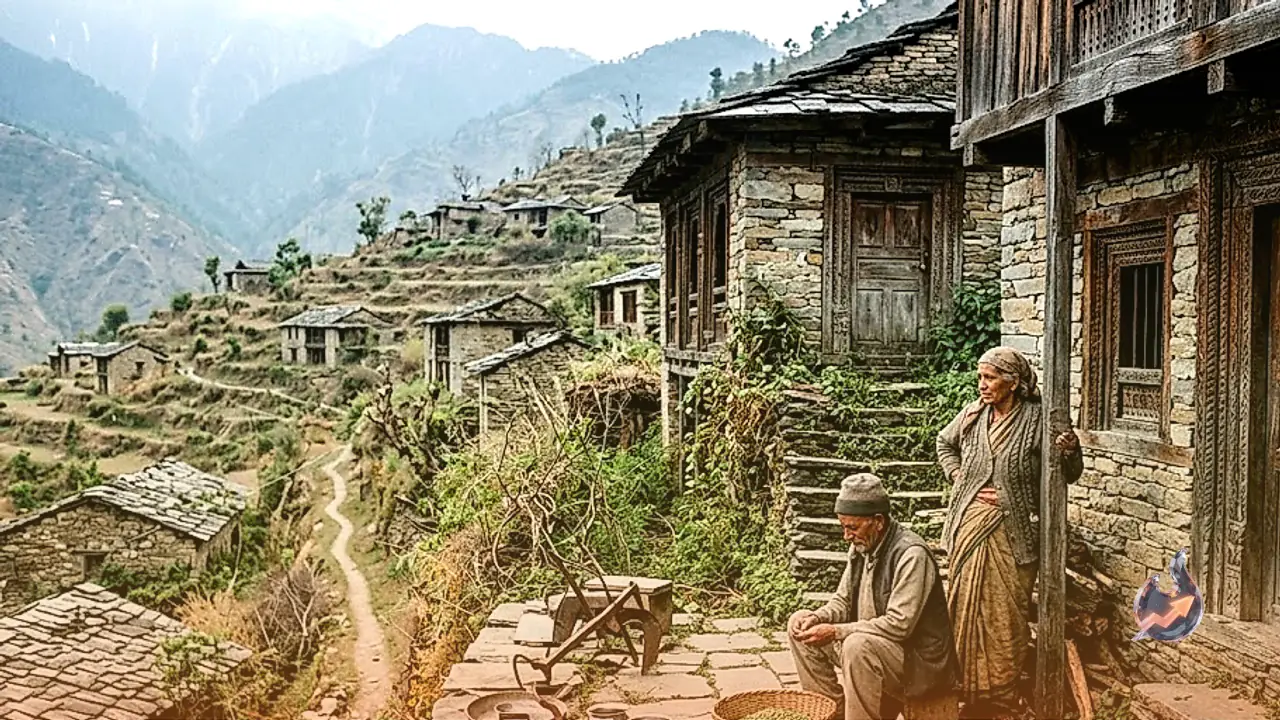


















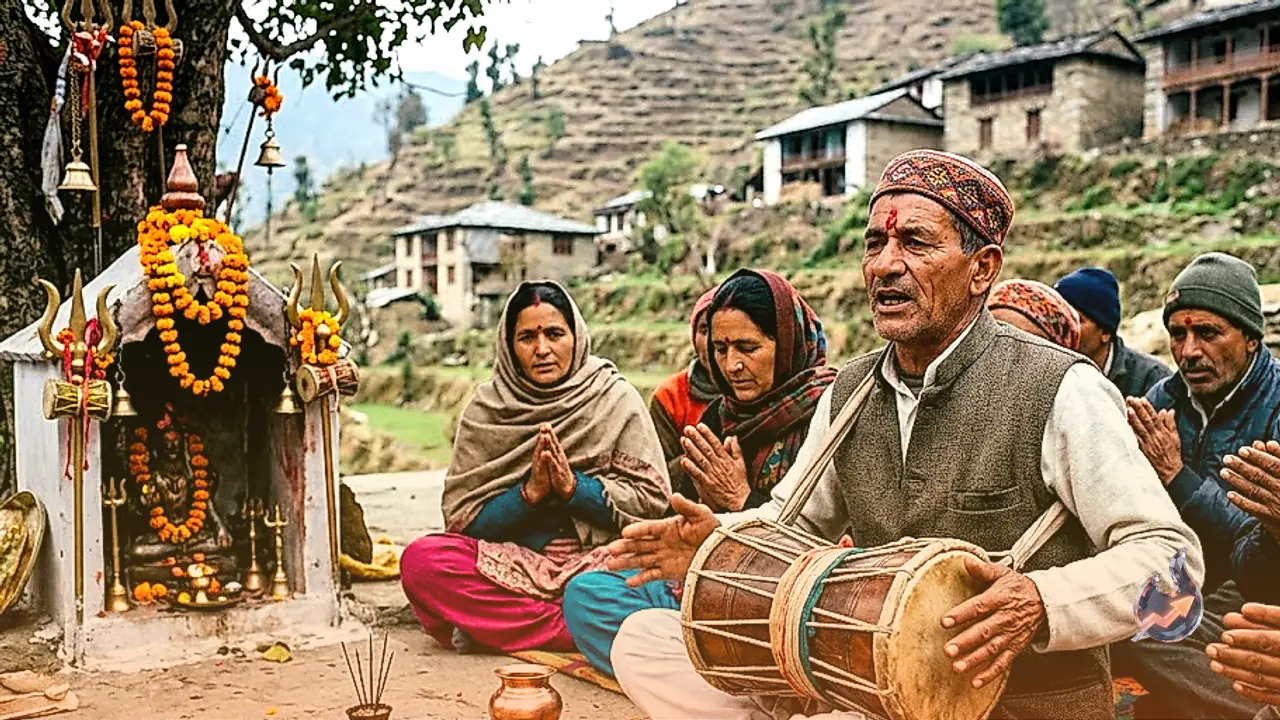

Within the folk traditions of Uttarakhand, the traditional percussion instrument known as the hurka holds a revered place rooted deeply in Himalayan spirituality. Resembling a damru, this historic instrument is traditionally believed to be dear to Lord Shiva. Regional belief holds that the echoing, rhythmic resonance of the hurka pleases Mahadev himself, making it an indispensable part of Jagar ritual invocations and mythological storytelling. When its rhythm resonates across temple courtyards and mountain villages, it creates an intense spiritual atmosphere that immerses singers and devotees in deep devotion.
Carved from Riverside Wood and Traditional Craftsmanship
Crafting a hurka requires an intricate, age-old artisanal process passed down across generations. Folk artist Ram Charan Juyal, who has spent decades playing and observing the instrument in Uttarakhand, explains that the hollow wooden frame is sculpted from sturdy timber gathered along riverbanks. Craftsmen carefully shape woods such as shisham, walnut, khameen, or toon into an hourglass form reminiscent of a damru. In the local dialect, this carved central wooden frame is referred to as naai or naali.
Once the central wooden shell is finished, thin yet durable goat or deer hide is stretched across both circular openings. The surface is also dressed with a delicate stomach membrane, ensuring that each strike against the leather surface produces a rich, resonant tone with natural elasticity.
Rope Tension and the Art of Pitch Control
The distinctive acoustic quality of the hurka lies in its construction and the unique technique used to play it. Braided cords made of cotton or moonj grass are strung longitudinally across the instrument, connecting the hides on both ends into an intricate mesh. Tightening or adjusting these cords aligns the instrument to the exact acoustic tension required for performance.
When performing, the musician rests the hurka across one shoulder using a supporting strap. Playing the instrument requires coordinated manual dexterity: with one hand, the performer applies varying pressure to the side ropes to manipulate the pitch and sustain the vibration, while the other hand rhythmically strikes the hide using a small wooden stick known locally as a koni. The subtle alternation between tightening and releasing the cord tension produces a mesmerizing, fluctuating melodic rhythm.
A Unifying Presence Across Folk Songs and Jagar Traditions
Himalayan oral music is broadly divided into two major styles: the ritualistic Jagar tradition and regional folk ballads. While ordinary folk songs typically depend on the dholak and ritual ceremonies employ dhol-damau ensembles, the hurka holds the rare distinction of belonging seamlessly to both forms. Because of its structural kinship with Lord Shiva's damru, the instrument carries profound mythological reverence, remaining an enduring symbol of devotion and living folk identity across the hills of Uttarakhand.