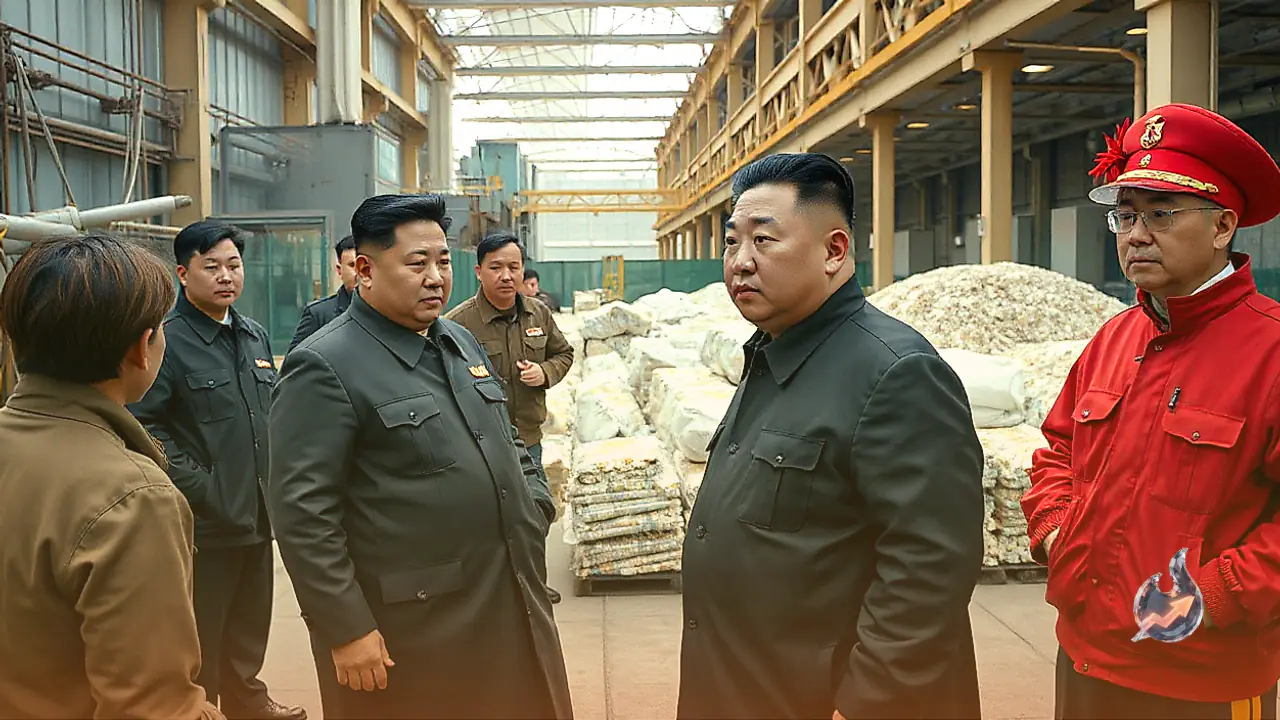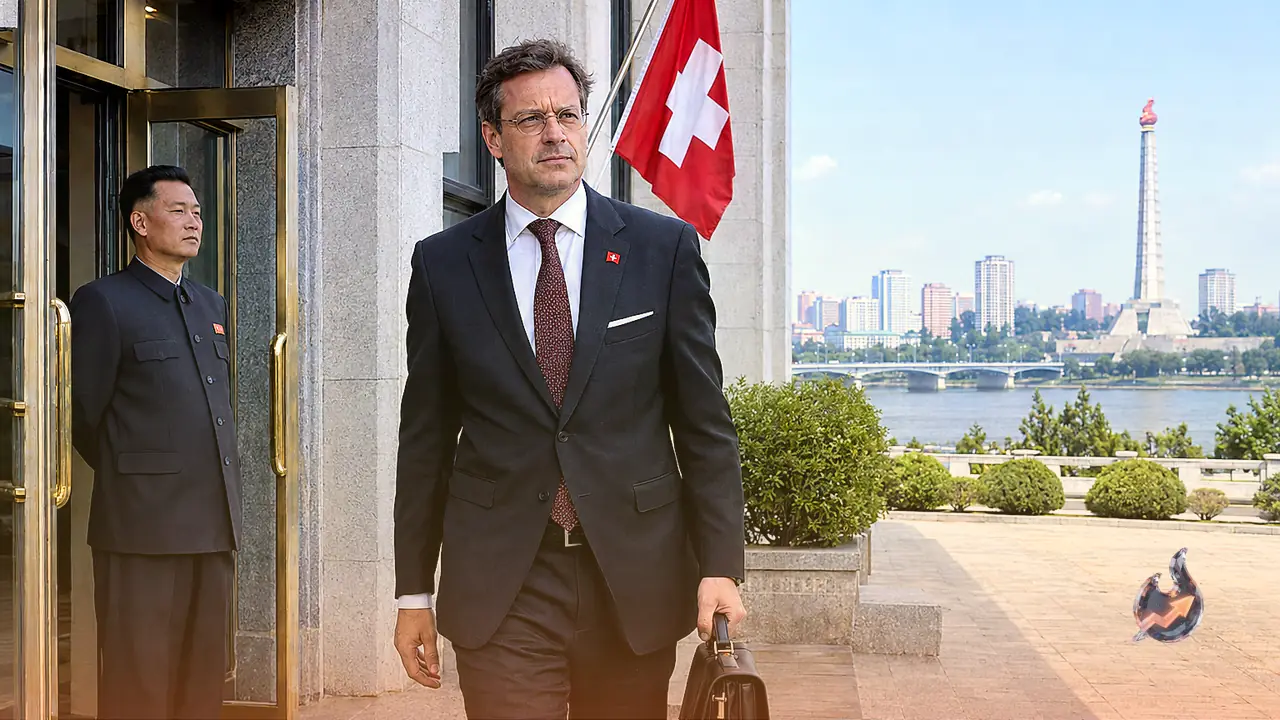

Diplomatic relations between North Korea and Switzerland have plunged into a severe crisis just weeks after efforts to mend ties were initiated in Pyongyang. North Korea took a drastic step by ordering the Swiss diplomatic representative to leave the country within 48 hours and shutting down the diplomatic office. This sudden escalation has surprised observers, given that Switzerland is among the very few Western nations that maintained communication channels with North Korea.
The Songdowon Childrens Camp Controversy
At the center of this diplomatic standoff is the Songdowon International Childrens Camp located in the eastern North Korean city of Wonsan. Children from various countries, including Russia and China, regularly visit this facility. Switzerland added this camp to its sanctions list, which triggered a furious response from Pyongyang. Swiss authorities allege that the camp has been utilized to transfer children from Russian-occupied Ukrainian territories into North Korea. This issue has been closely linked to the ongoing Russia-Ukraine war, with the European Union and the United Kingdom having previously imposed restrictions on the facility. North Korea, however, has rejected these allegations entirely. The state news agency KCNA labeled Switzerland's decision as an act of open hostility, arguing that the move disrespects North Korea's sovereignty and the interests of its citizens.
Expulsion of the Swiss Diplomatic Chief
Following the dispute, North Korea's foreign ministry took swift and stern action. Sylvain Astier, the head of Switzerland's diplomatic office in Pyongyang, was summoned to the ministry. He was handed a memo ordering him to close the office and depart from the country within 48 hours. According to KCNA, the North Korean government declared the Swiss representative a 'persona non grata'. In diplomatic terms, this designation means the host country no longer accepts the presence of the diplomat and demands their immediate departure. This aggressive move effectively halts all diplomatic engagement and dialogue that had recently been established between the two nations.
Reopening of the Office and Quick Fallout
The sudden rupture is particularly striking because Swiss Foreign Minister Ignazio Cassis had recently visited North Korea. During that high-profile visit, constructive talks took place, leading to the reopening of Switzerland's diplomatic office in Pyongyang. Diplomatic ties between Switzerland and North Korea were initially established in 1974. Switzerland later opened a cooperation office in Pyongyang in 1997, primarily focused on humanitarian aid and cooperative projects. That office was closed in 2020 due to the coronavirus pandemic. After roughly six years of closure, it was restarted in October 2026. Unfortunately, Switzerland's decision to sanction the camp abruptly derailed these renewed diplomatic outreach efforts.
Switzerland Clarifies Its Stance
In response to North Korea's retaliatory measures, the Swiss government clarified its position on the matter. According to the Swiss foreign ministry, the decision to impose sanctions and the policy of maintaining dialogue with North Korea are two entirely separate issues. The ministry explained that reopening the office in Pyongyang did not mean Switzerland would stop enforcing United Nations sanctions or European Union restrictions related to the Russia-Ukraine conflict. This firm stance indicates that diplomatic friction between the two nations is likely to persist without an immediate resolution.