
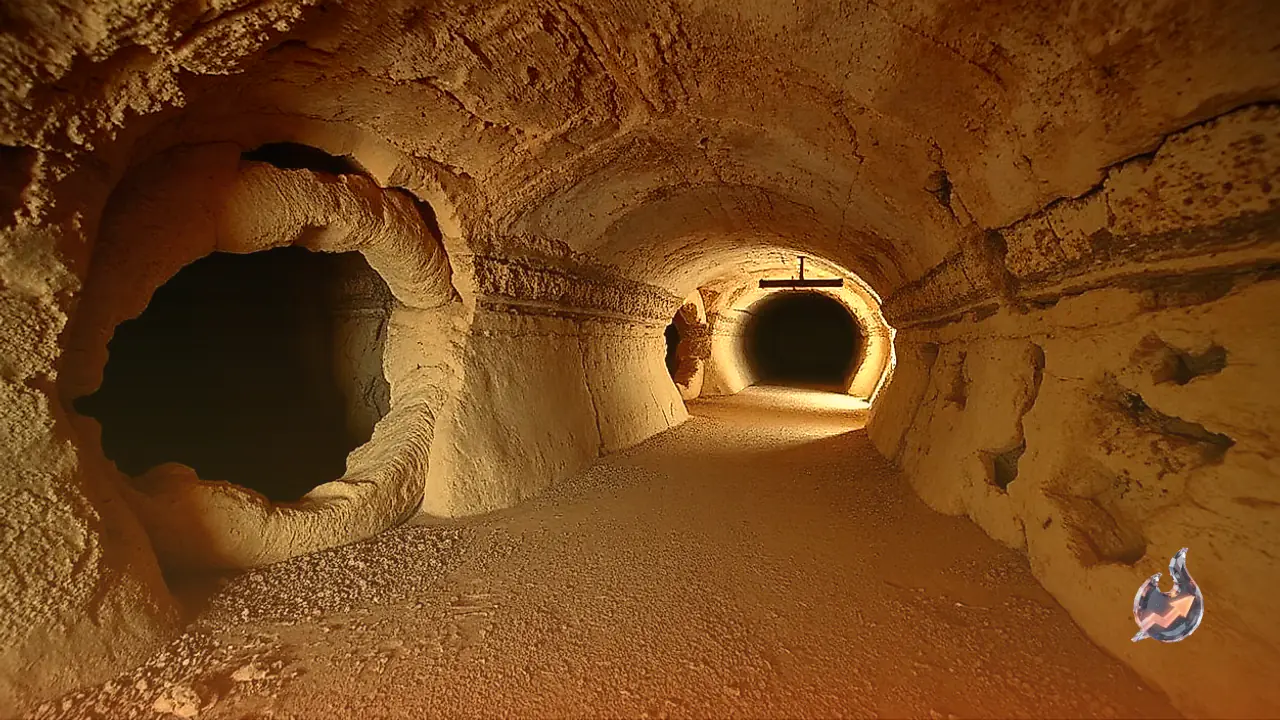
















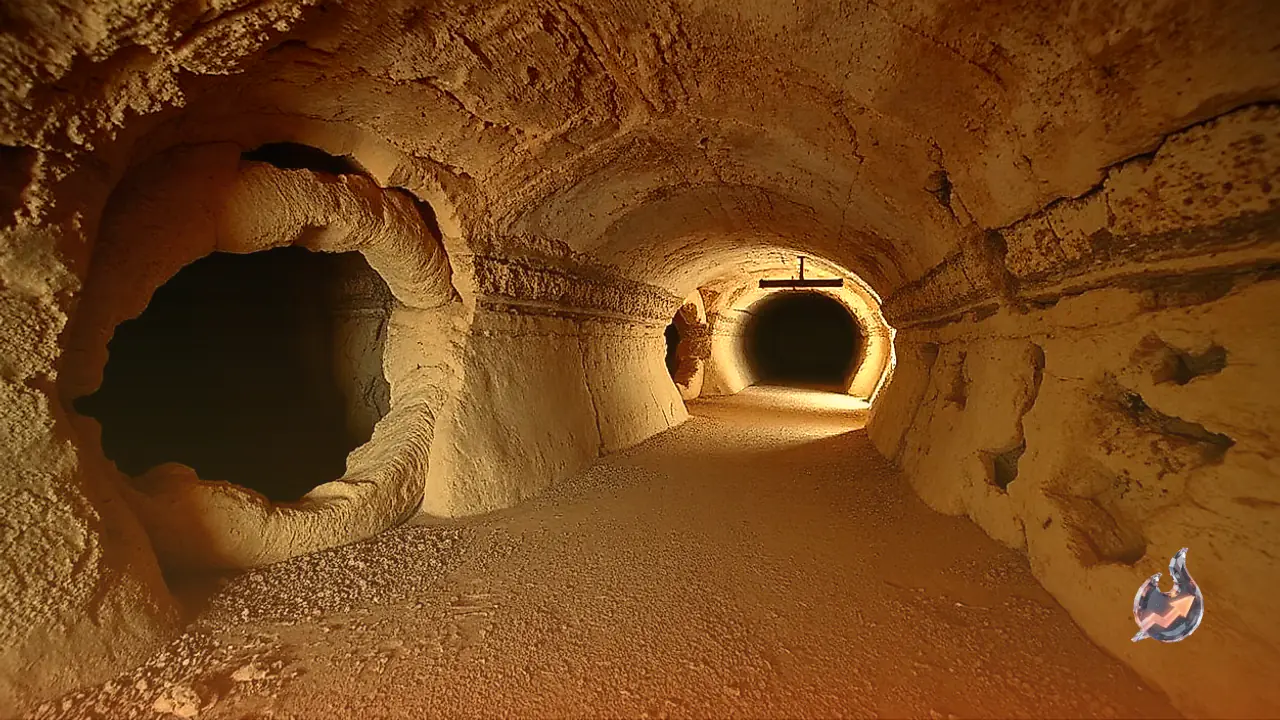

Tucked beneath the town of Wieliczka near the historic city of Krakow in southern Poland rests an underground wonder that feels entirely detached from the world above. From the surface, the site appears as an unassuming industrial relic, but venturing below reveals a vast subterranean complex. Generations of continuous rock salt extraction slowly transformed deep excavations into an intricate labyrinth of grand halls, religious sanctuaries, lifelike statues, and endless passageways that continue to astonish travelers from across the globe.
The Grueling Labor Behind an Underground Heritage
The existence of this vast underworld stands as a monument to the relentless dedication of miners who spent their lives working in darkness. Carving through rock salt using heavy, primitive tools during early centuries was hazardous and physically exhausting. Many of the antique machines, timber supports, and historical equipment remain preserved within the chambers today, offering visitors a direct look at the daunting conditions under which workers labored. Over time, the working site evolved into a premier historical preservation and museum complex, complete with safe underground routes designed to showcase this industrial legacy.
A 13th Century Economic Pillar for Poland
Industrial scale mining operations at Wieliczka trace their roots back to the 13th century. During that era, salt was far more than an everyday culinary ingredient; it served as the primary preservative necessary to cure meats and keep food supplies intact through harsh winters. This indispensable quality turned the mine into a foundational pillar of Poland overall royal revenue and financial strength. Century after century, mining families passed down their craft, leaving behind a hand-carved heritage buried deep within the earth. Recognizing its singular cultural and architectural value, UNESCO inscribed the site onto its World Heritage List in 1978.
The Subterranean Splendor of the St Kinga Chapel
Among the complex many chambers, the St Kinga Chapel is widely considered the crown jewel of the entire site, located approximately 101 meters beneath the surface. The cavernous prayer hall is almost entirely fashioned from pure rock salt, spanning its polished floor slabs, relief carvings on the walls, and even the intricate chandeliers hanging from the ceiling. Working miners, guided by religious devotion and self-taught artistry rather than academic design, sculpted this entire sanctuary by hand. The chapel remains an active place of celebration, hosting sacred ceremonies and musical performances.
Transforming Coarse Rock Salt into Fine Art
Rather than treating rock salt solely as a mineral commodity to be hauled away, the laborers turned the subterranean stone into an artistic canvas. Along the perimeter walls, they carved detailed reliefs illustrating biblical narratives, historical episodes, and symbolic patterns. Full-standing sculptures chiseled from blocks of crystalline salt populate various chambers throughout the labyrinth. These creations reveal that for the miners, the dark pits represented not merely an exhausting workplace, but a sanctuary where creative expression and spiritual solace could flourish.
Luminous Brine Lakes Hidden in the Depths
Beyond dry rock galleries and vast rooms, the Wieliczka complex houses striking underground lakes composed of dense brine. When illumination catches the surface of these pools, the water radiates a remarkable clarity, casting reflections of the jagged rock faces and timber frameworks overhead. This atmospheric pairing of natural subterranean hydrology and human engineering lends the chambers an otherworldly presence that sets it apart from traditional historical monuments.
A Vast Multi Level Network Stretching 300 Kilometers
The sheer physical scale of the Wieliczka excavations is staggering. The total length of the interconnected underground galleries is estimated at roughly 300 kilometers, weaving through nine levels and encompassing nearly 3,000 distinct chambers. The deepest accessible section plummets to about 327 meters underground. General tourism covers only a modest fraction of this sprawling network; the standard visitor route extends approximately 3.5 kilometers, leading travelers down through depths ranging between 64 and 135 meters beneath ground level.
From Industrial Mine to Thriving Cultural Center
Today, Wieliczka functions as far more than an underground museum. Its expansive halls regularly host chamber concerts, cultural exhibitions, civic galas, and special banquets. The precise dimensions and crystalline salt surfaces of the St Kinga Chapel provide rich natural acoustics, making it an extraordinary auditorium for musical events. Caverns that once echoed with the harsh clatter of pickaxes and the toil of miners now welcome international travelers, celebrating human ingenuity carved directly into the bedrock of the earth.