




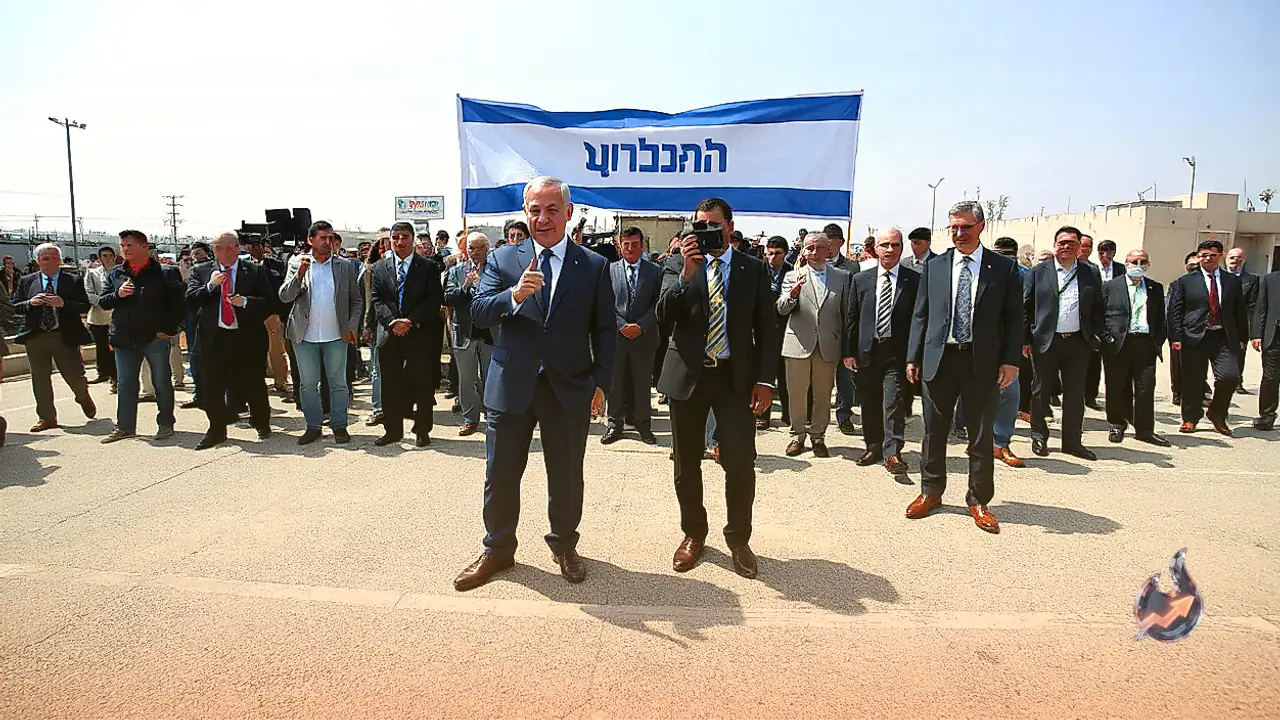














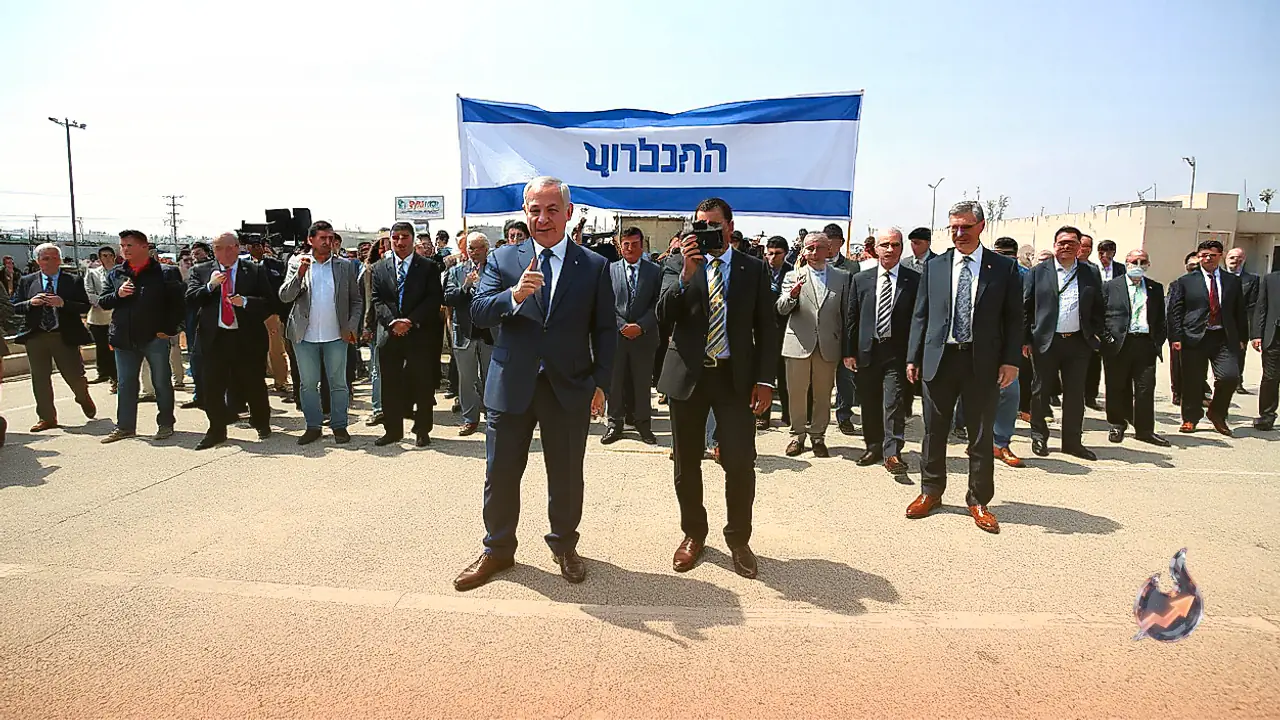

Regional security dynamics across the Middle East are facing renewed strain as Israeli Prime Minister Benjamin Netanyahu ramps up efforts to secure American backing for a fresh wave of air strikes targeting Iran. The push comes immediately following the conclusion of Tuesday's US midterm elections, arriving at a critical domestic juncture for Benjamin Netanyahu. Having lost his parliamentary majority alongside far-right allies in the previous week's Israeli elections, the Israeli prime minister is looking to leverage national security imperatives to forge an emergency coalition government.
The White House Deliberations and Divergent Signals
The posture of US President Donald Trump regarding Tehran has exhibited conflicting signals over recent weeks. Donald Trump has oscillated between threatening significant military strikes and emphasizing the urgent necessity of securing a diplomatic agreement. During a weekend telephone conversation, Benjamin Netanyahu directly advocated for an extensive military offensive against Iranian assets. However, Donald Trump stopped short of committing the United States to fresh offensive action during that exchange.
Speaking to members of the press on Sunday, Donald Trump characterized the weekend discussion as very productive and confirmed that Iranian affairs had been addressed, though he withheld specific operational details. Regional officials indicate that Benjamin Netanyahu is actively coordinating with senior US counterparts to persuade Donald Trump to authorize a swift and wide-ranging aerial campaign. Benjamin Netanyahu had consistently advocated for pre-emptive military action even prior to the Israeli election, seeking to reinforce his defence credentials in the aftermath of the October 7, 2023, assault by Hamas.
Qatari Mediation and the Hormuz Maritime Framework
Parallel to the lobbying for military escalation, diplomatic tracks have recorded tangible progress over recent days. Negotiators from Qatar conducted two distinct rounds of discussions with Iranian representatives last week. The proposed diplomatic architecture envisions Iran halting all maritime disruptions within the critical Strait of Hormuz waterway in exchange for Washington dismantling its naval blockade on Iranian commercial ports.
Officials familiar with classified briefings confirmed that further negotiations are scheduled to proceed this week. Teheran continues to demand ironclad guarantees that the United States will honor any agreed terms, pointing directly to previous military strikes that occurred while nuclear discussions were actively underway. Regional analyst Andreas Krieg addressed the strategic divide on X, observing that the standoff in the Gulf between the US and Iran is essentially contested between Qatar and Israel, with Qatar seeking an internationally backed diplomatic offramp while Israel pursues military paths.
Allied Apprehensions and Regional Dialogue in Manama
Other traditional American allies across the Middle East have voiced strong reservations regarding any potential military escalation, warning that fresh air raids could destabilize the broader region entirely. Arab capitals fear that renewed strikes would trigger widespread retaliation from Iran-aligned Houthi forces in Yemen, threatening commercial navigation across the Red Sea and critical infrastructure in Saudi Arabia. Additionally, Tehran-backed paramilitary formations in Iraq could join the regional conflict directly.
The sombre atmosphere was palpable at the Manama Dialogue in Bahrain, an international conference organized by the International Institute for Strategic Studies. UAE presidential adviser Anwar Gargash warned that the policy gulf separating Washington and Tehran remains vast, cautioning that a failure to bridge the divide would risk catastrophic outcomes. Gulf nations have already committed billions of dollars toward reinforcing their air defence architecture. Addressing the same forum, Egyptian Foreign Minister Badr Abdelatty cautioned that further military escalation would unleash unprecedented devastation without delivering lasting solutions.
Tehran's Military Posture and the New Leadership Command
US Secretary of State Marco Rubio refrained from offering concrete forecasts regarding potential American operations or Iranian counter-strikes during a Saturday press briefing. Marco Rubio maintained that the administration remains committed to pursuing a negotiated diplomatic resolution while retaining absolute confidence in American military capabilities if deemed necessary. Meanwhile, Benjamin Netanyahu's office has kept silent regarding the post-election developments and the details of the latest White House call.
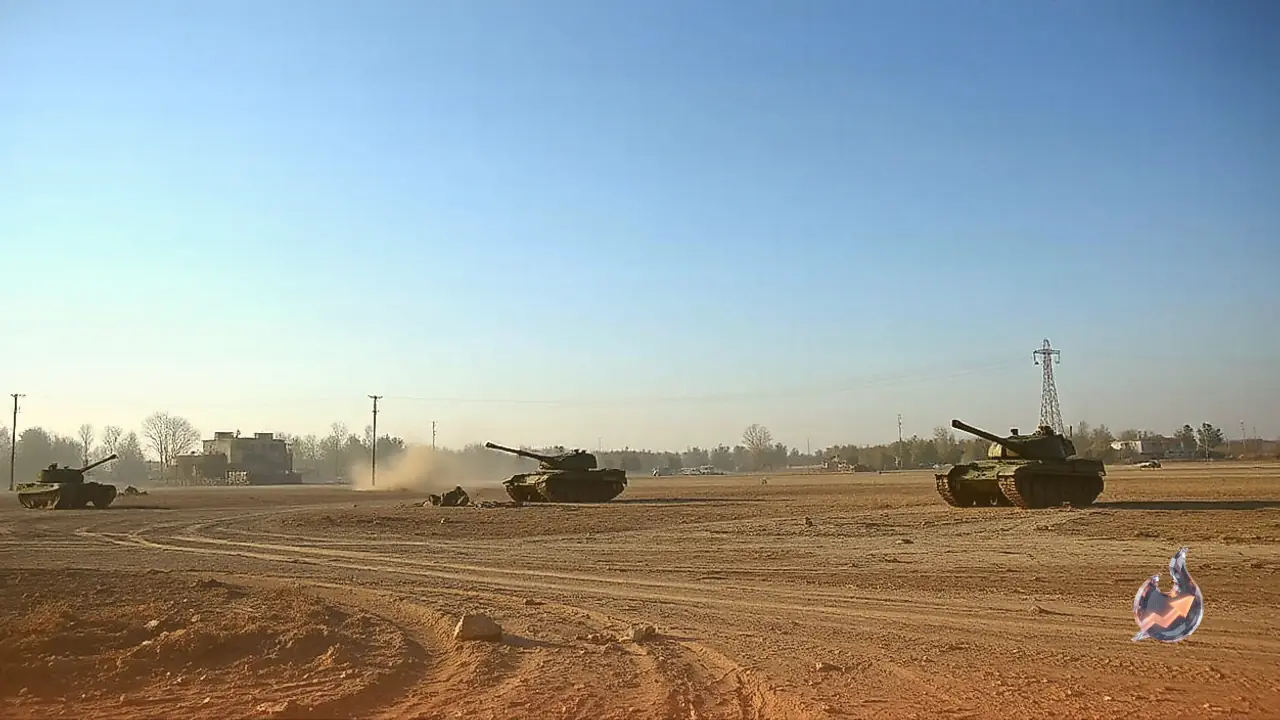
In Iran, political and defence authorities have declared their readiness to confront either expanded conflict or structured diplomacy. Ayatollah Mojtaba Khamenei, the newly appointed supreme leader who has avoided public appearances following the death of his father in opening strikes conducted on February 28 by Israel and the United States, convened high-level meetings with military commanders. Ayatollah Mojtaba Khamenei ordered armed forces to deliver instantaneous responses without geographic limits to any US or Israeli actions, calling for an expanded catalog of potential targets. Iranian retaliatory strikes have previously damaged more than two dozen US military installations since hostilities began, resulting in equipment losses calculated in the billions of dollars.
Economic Leverage and Global Diplomatic Engagement
Iranian security chief Mohsen Rezaei commented on state television that the diplomatic rhetoric emanating from Washington had altered considerably, terming it a constructive signal. Mohsen Rezaei did not provide details regarding a formal communication received from US Vice President JD Vance the previous week, confirming that Tehran has yet to dispatch a response. In the maritime corridor, October recorded the highest volume of commercial vessel attacks in the Strait of Hormuz since March, as Iran seeks to exert direct economic pressure on Washington to compel the lifting of the port blockade.
Simultaneously, China has accelerated its diplomatic intervention across the region. Chinese Foreign Ministry spokesperson Mao Ning confirmed that Beijing will deploy a special envoy on a regional mission covering Iran, Oman, and Saudi Arabia during the early to middle weeks of November. Chinese President Xi Jinping held discussions with the Sultan of Oman, asserting that the strategic Gulf corridor must not be transformed into an arena for geopolitical competition, with both nations urging a swift return to multilateral dialogue.