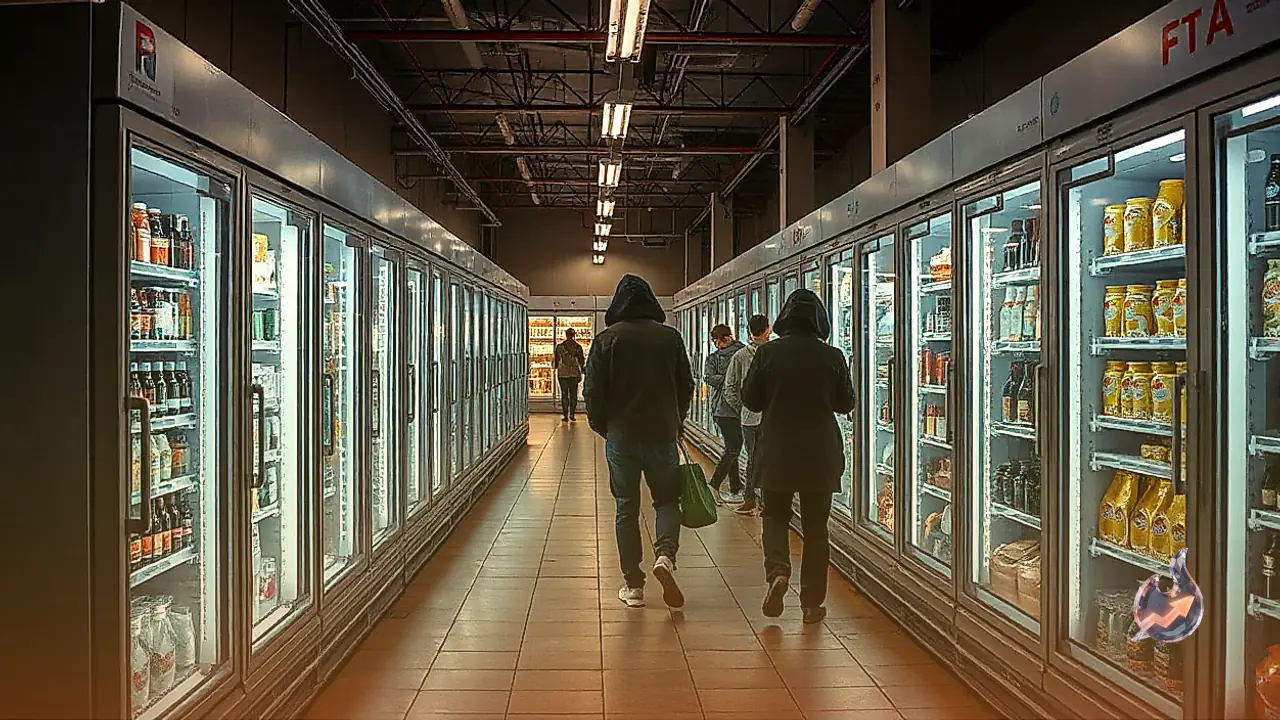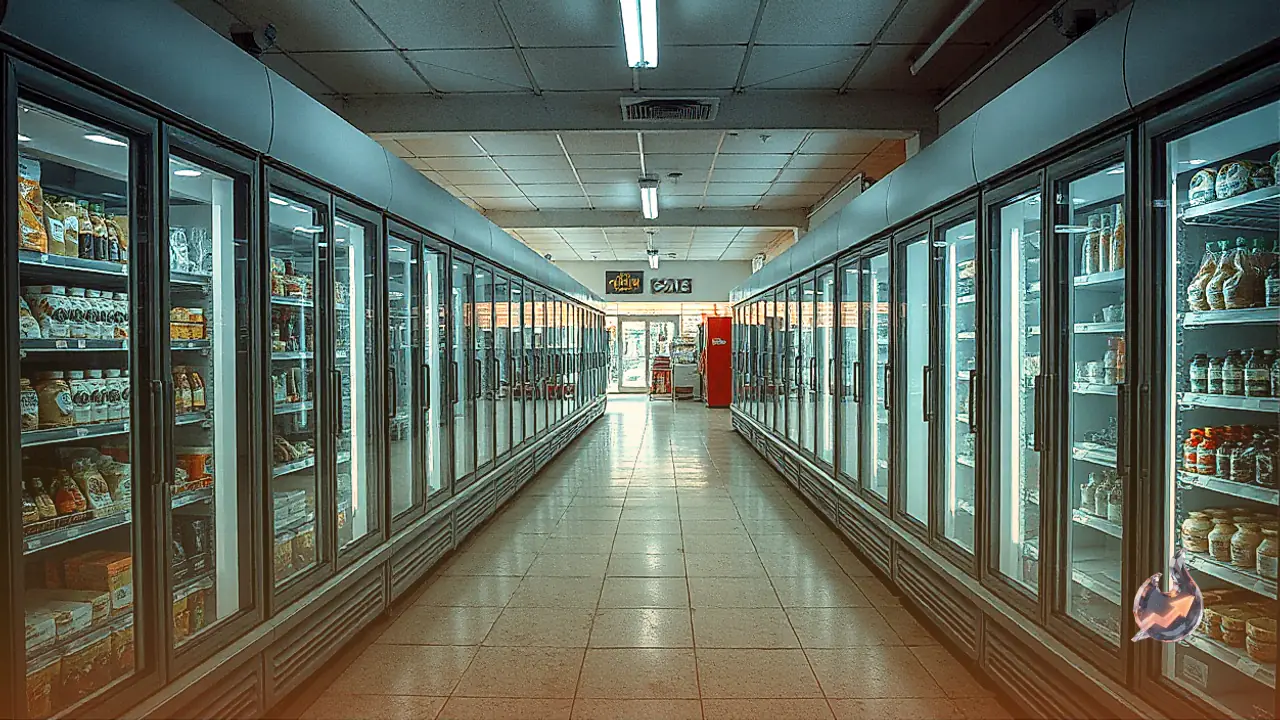
























Everyday electronics linked to the internet now stretch far beyond conventional computing hardware to encompass refrigerators, central heating controls, and even household laundry machines. While integrating network connectivity allows users to manage their hardware effortlessly from remote locations, theoretical risks dictate that any piece of equipment that talks to the web presents an attack surface for malicious operators. Prominent hardware manufacturers invest substantial engineering resources to ensure their connected systems remain resilient against unauthorized access, making direct intrusions challenging. However, flaws do emerge periodically; back in 2015, researchers demonstrated that a software flaw within a Samsung smart refrigerator allowed outside actors to intercept online traffic passing through the appliance.
Supermarket Intrusions and Unprotected Web Interfaces
Cyber attacks targeting supermarkets in November have renewed urgent questions regarding the security of automated commercial systems. While investigators have identified no evidence indicating that domestic household gadgets were compromised during those supermarket incidents, vulnerability scans across commercial retail systems have painted an unsettling picture. Specialists at UK Cyber Defence uncovered more than 800 refrigeration and building-control management panels tied to British retail enterprises sitting directly on the public internet. Operating an exposed digital interface does not guarantee that a facility has already been breached, but it does leave critical hardware vulnerable to opportunistic attackers armed with basic exploits or scanning for default passwords.
Accountability, Settings Tampering, and Stock Destruction
Ciaran Martin, former chief executive of the National Cyber Security Centre (NCSC) in the UK, noted that equipment manufacturers must take greater responsibility for building inherently robust hardware. Demands must be placed on major technology enterprises to deliver thoroughly protected systems straight out of the box rather than treating defense as an afterthought. Martin encouraged everyday consumers to apply software updates promptly and configure multi-factor authentication across their accounts wherever supported, noting that the brief inconvenience of enabling it takes merely seconds. On the regulatory side, legislation introduced in the UK in April 2024 mandates that manufacturers of select consumer smart devices comply with baseline security regulations, explicitly restricting insecure default passwords and setting defined schedules for software support.
Defining clear lines of operational ownership remains equally vital. Tom Hegel, a researcher with cybersecurity organization SentinelOne, explained that retailers have to establish which division or vendor actually owns the digital security of installed hardware rather than tracking who handles mechanical repairs. While online access enhances convenience, protective engineering must maintain parity. When a hostile entity seizes operational control of refrigeration equipment, standard functional routines like scheduled defrost cycles can be weaponized into destructive mechanisms. Manipulating internal environmental parameters can spoil and ruin physical store inventories in a matter of hours, inflicting severe commercial damage that goes far beyond routine IT disruptions.
Supply Chain Protections and Industry Collaboration
Heightened risks surrounding food distribution have prompted coordinated interventions. Helen Dickinson, chief executive of the British Retail Consortium, highlighted that cyber disruption is an acute concern across the retail sector, prompting commercial brands to collaborate closely with the NCSC to share threat intelligence and fortify their defenses. Disruptions threatening food logistics are not unprecedented, leading government officials to hold high-level resilience sessions with prominent grocery leaders following prior incidents. The NCSC indicated that it is liaising with international partners and private sector entities to examine the supermarket breaches, although it had observed no direct impact on UK operations.
Industrial Plant Controls, Vehicles, and Infrastructure Exposures
Beyond commercial refrigeration, web-enabled controls govern automated industrial assembly lines, utility distribution networks, and modern transport fleets. Mobile cellular links permit technical personnel to supervise vital operations at municipal water systems and power stations without being physically present on site. Cybersecurity analyst Munro observed that while British utilities generally maintain robust standards for protecting telemetry networks, administrative hygiene fluctuates dramatically across international jurisdictions. The most vulnerable targets are smaller, underfunded utility providers that continue operating legacy equipment lacking modern defensive shielding. While the automotive sector identified similar vehicle software flaws early on and deployed corrective patches, Olivier Daloy of Zscaler cautioned that any manufacturing plant, energy supplier, or transportation grid tied to the internet remains exposed to comparable systemic interference if basic security safeguards are neglected.