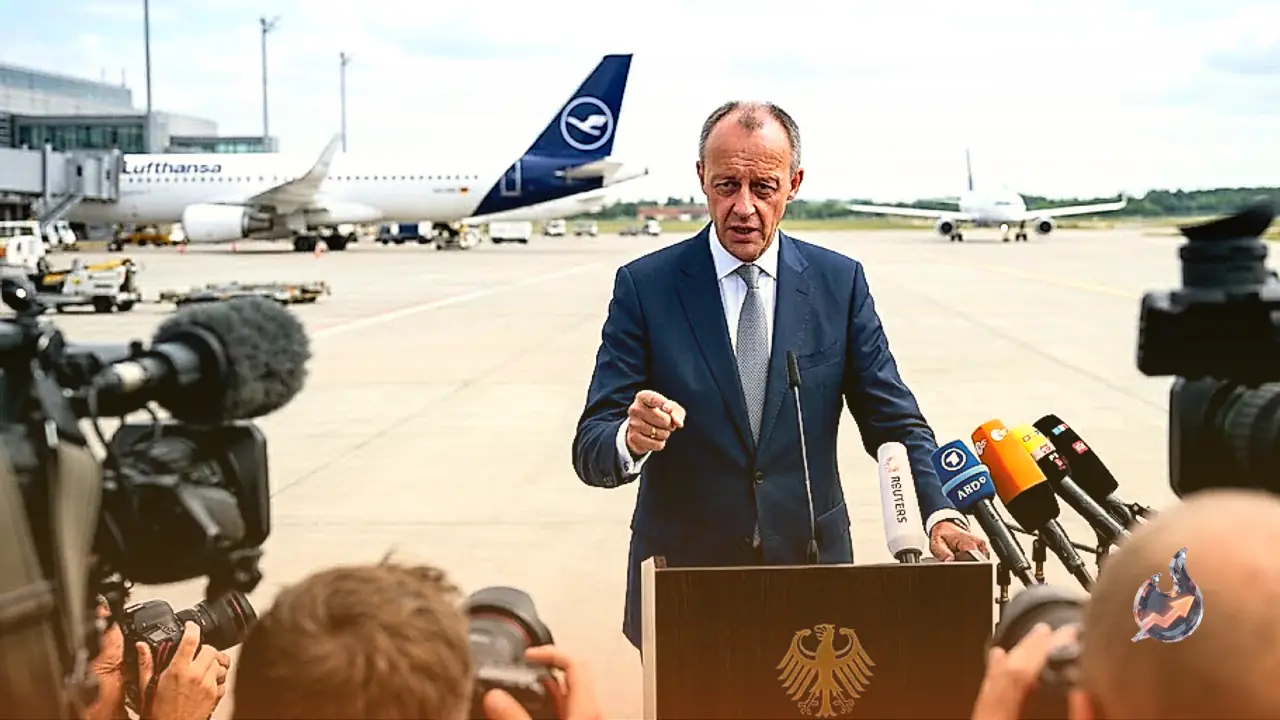


















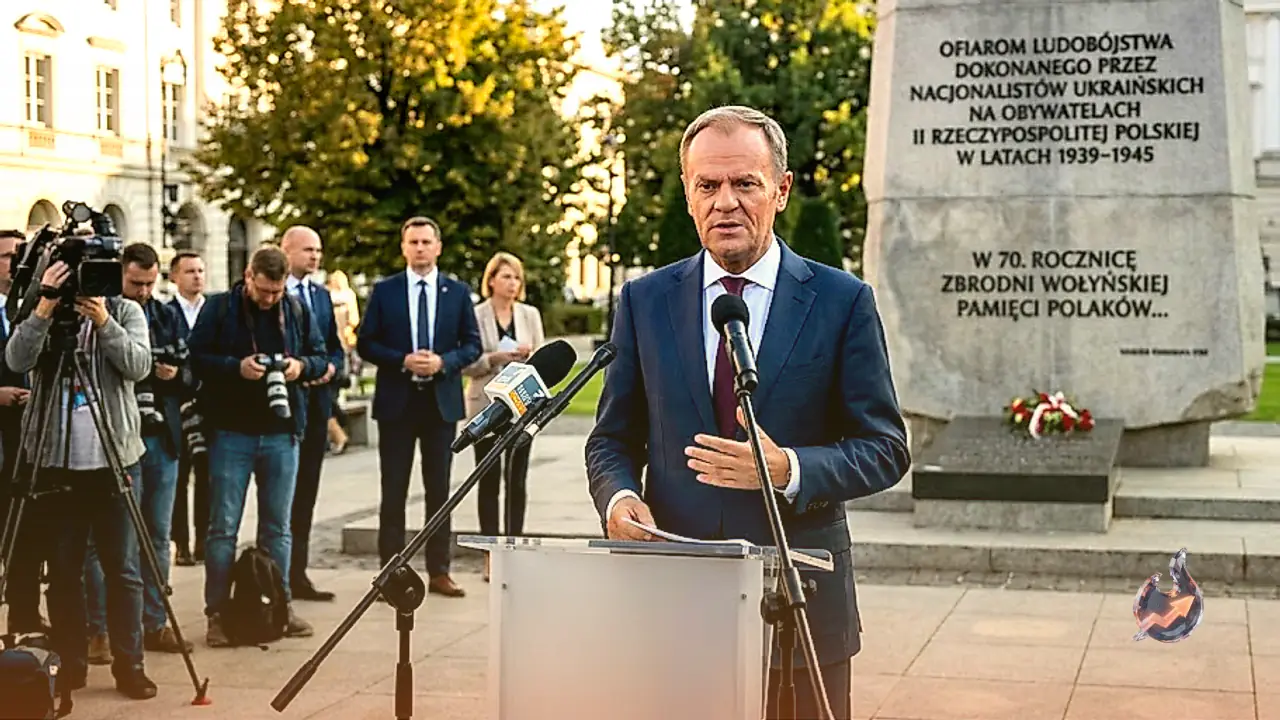

A commemorative ceremony took place on Saturday in Warsaw and various other locations across Poland to remember the victims of the Volhynia massacre. During the event, Polish Prime Minister Donald Tusk announced the government's intention to establish a national memorial dedicated to those who perished in what he termed a genocide perpetrated by Ukrainian nationalists during the Second World War.
The Legacy of Volhynia
The proposed monument focuses on the victims of the events that unfolded in Volhynia, a region that was Polish territory under German occupation at the time and is now known as Volyn, located within modern-day Ukraine. According to official figures from Warsaw, approximately 100,000 ethnic Poles were killed by the Ukrainian Insurgent Army (UPA) between 1943 and 1945. These tragic historical events have been a source of diplomatic tension between Warsaw and Kyiv for several decades.
Conversely, many individuals in Ukraine view the UPA through a different lens, regarding them as heroes who fought for Ukrainian independence against multiple fronts, including the Soviet army, Nazi Germany, and the Polish authorities.
Addressing the Past for a Better Future
In his address on Saturday, Donald Tusk emphasized that prioritizing the truth is a moral obligation toward the victims and a necessary step for overcoming a painful history. He asserted that memory should not be used as a vehicle for hatred, noting that the solution to nationalism cannot simply be more nationalism. The Polish Prime Minister urged Ukraine to acknowledge this historical reality as a prerequisite for any future integration into the European Union.
Geopolitical Context and Ongoing Solidarity
Polish President Karol Nawrocki stated that he felt compelled to act on the matter, yet he was quick to stress that this historical dispute would not hinder Poland’s ongoing support for Ukraine as it continues to defend itself against the full-scale Russian invasion that began in 2022.
In a symbolic protest of solidarity with President Volodymyr Zelensky, three former Ukrainian presidents returned their Polish 'White Eagle' awards. In his own video address later that Saturday, President Zelensky noted that representatives from the Ukrainian state had participated in joint prayers alongside Polish state officials in both countries to honor those lost in the Volyn killings.
Volodymyr Zelensky reaffirmed that Ukraine is actively working to establish an honest accounting of those who died during that period. He reminded both nations that they currently face a common threat—a mortal danger to their independence, their cities, and their villages—and that this existential threat is Russia.