





















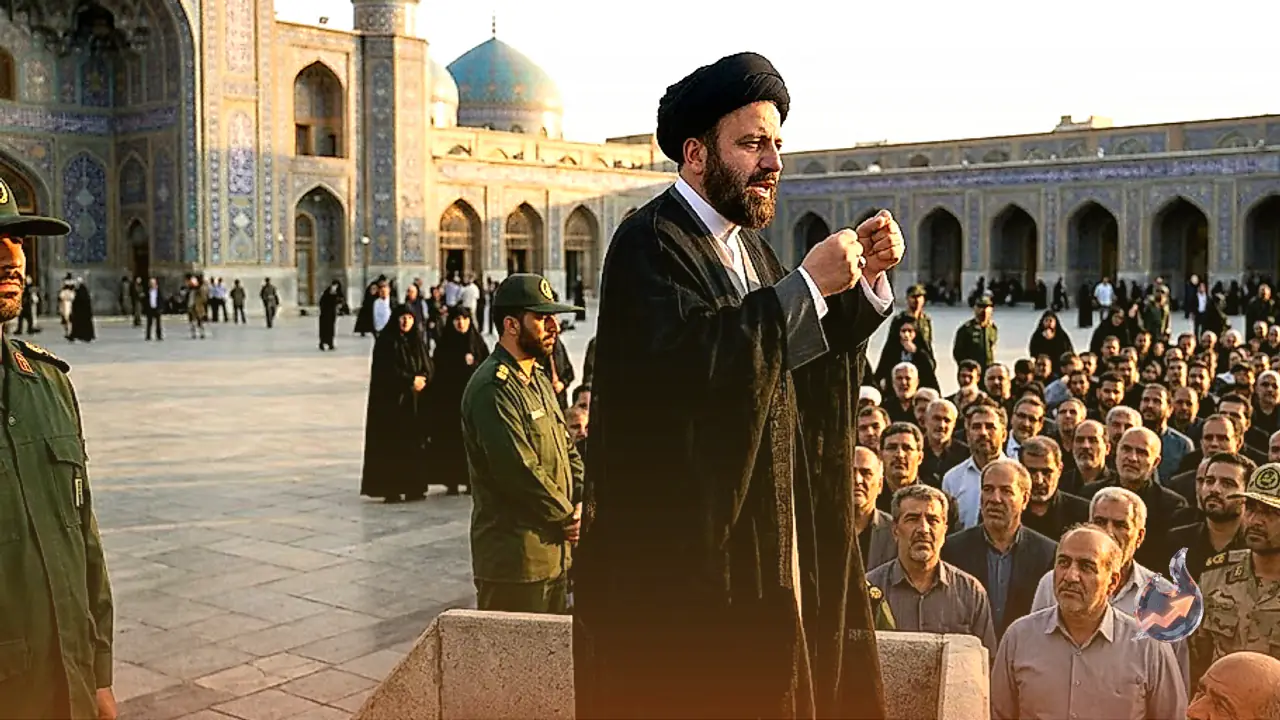

Iranian Supreme Leader Ayatollah Mojtaba Khamenei has issued a formal call for retribution regarding the death of his father and predecessor, Ayatollah Ali Khamenei. In a written statement broadcast via state television, he described the act of vengeance as the definitive will of the nation. This marked his first public communication since the commencement of his father's funeral proceedings earlier this week.
The death of the leader and regional escalation
The senior Khamenei, aged 86, lost his life during an air strike on 28 February, which coincided with the initial day of the war between the US-Israeli coalition and Iran. Mojtaba Khamenei had remained out of the public eye since the conflict intensified in February. Speculation persists that he may have suffered severe facial disfigurement during the same strike that resulted in his father's death.
Trump issues stern warning
US President Donald Trump has retaliated against the threats by warning that any Iranian effort to orchestrate his assassination would result in the US completely decimating and destroying all areas of Iran. These escalations followed a series of retaliatory strikes between the two nations earlier this week, triggered by reported attacks on three commercial tankers allegedly involving Iran.
Pledge of uncompromising vengeance
In a defiant statement released on Saturday, Mojtaba Khamenei showed no signs of backing down. He pledged to avenge the blood of the martyred leader and all those who died in these two wars, targeting the disgraced killers. He declared that vengeance is the will of the nation and must inevitably be carried out. He further noted that the matter does not depend on his own existence or that of other officials, stating that it will come to pass regardless of their presence. He added that those responsible would take the wish for a peaceful death in their beds to their graves. At the funeral ceremonies held in Mashhad, open calls for the assassination of Donald Trump were heard.
Intelligence and diplomatic hurdles
Early on Saturday, President Trump addressed reports suggesting that Iran had devised a plot to assassinate him. He reiterated that the US would respond with complete decimation of the country if such an attack were to occur. However, Trump disputed claims that Tehran had formulated a fresh plan or that Israel was the origin of such intelligence, telling the New York Post that he has been the primary target on Iran's list for a considerable time.
Military and ceasefire status
Despite the rhetoric, mediators are actively working to salvage diplomatic talks, with Iranian Foreign Minister Abbas Araghchi currently conducting discussions in Oman. According to US media reports, Iran communicated to American officials that the tanker incidents were a mistake, attributing them to an internal rogue faction. The incident sparked a massive response, with the US conducting strikes on approximately 90 targets across Iran. On Saturday, the Iranian Health Ministry reported 17 fatalities and 115 injuries from these strikes, leading Iran to target US allies in the Gulf. The broader conflict commenced on 28 February, prompting Iran to strike at Israeli and US interests. Although a ceasefire agreement was signed in June involving provisions for the safe passage of commercial vessels, Trump has declared that the ceasefire is now over, though he noted that diplomatic efforts to resolve the war would persist.