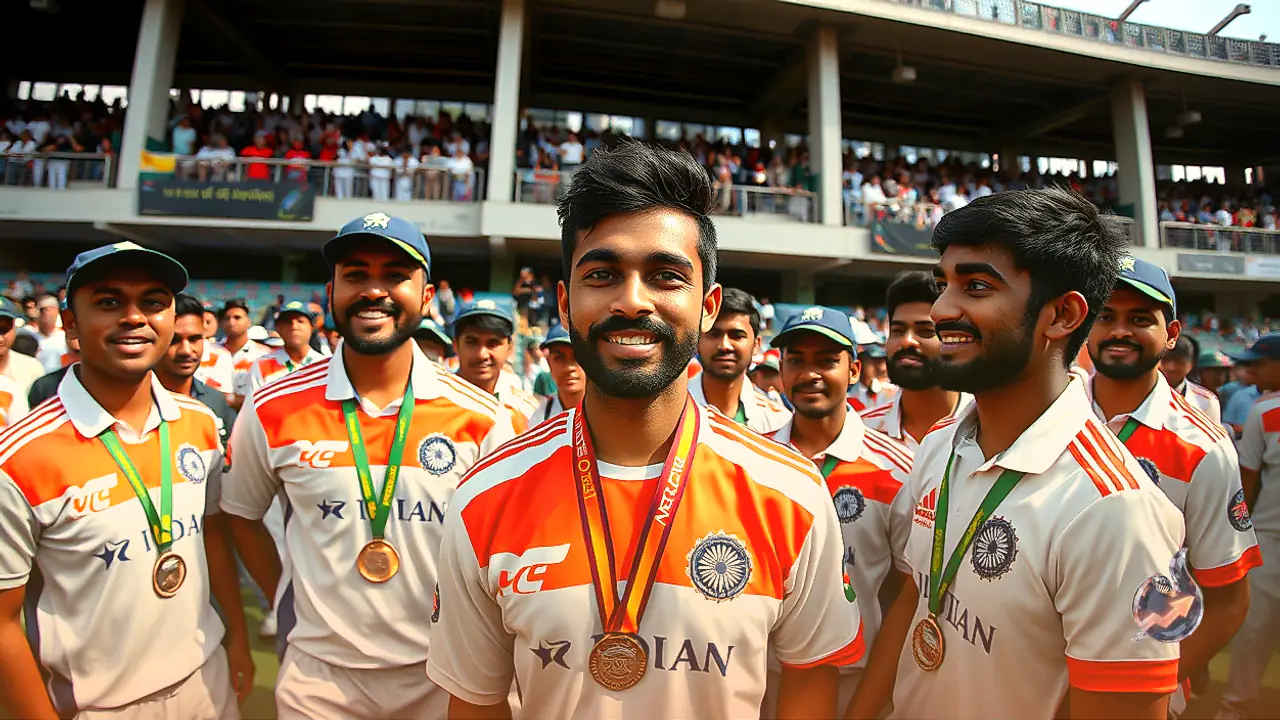















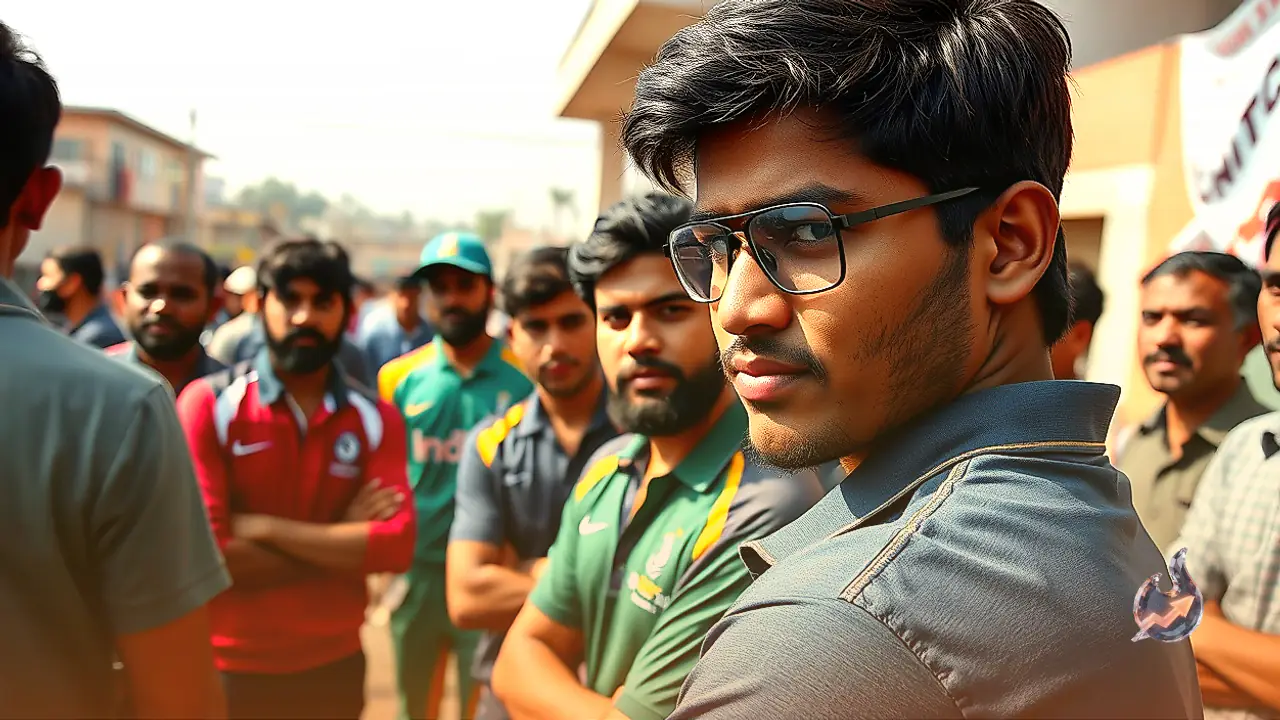

Riding high on their gold medal success at the Asian Games, the Indian cricket team is gearing up to take on the West Indies in the opening clash of the home T20I series. While morale is running high inside the dressing room, the team management confronts a tricky tactical puzzle regarding their final eleven. During the continental tournament, coach VVS Laxman operated under distinct conditions and accommodated both Sanju Samson and emerging left-hander Vaibhav Suryavanshi in the lineup. With Gautam Gambhir now at the helm, a notable tactical recalibration appears imminent, particularly around top-order allocation and balance.
Top-Order Conundrum and Opening Dynamics
At Korogi Sports Park in Nishin City, sluggish playing surfaces prompted Laxman to field all three frontline batters simultaneously. Suryavanshi opened alongside Abhishek Sharma, who currently stands as the format's top-ranked batter, pushing Samson down to the number three position. That middle-order experiment proved uncomfortable for Samson, who had previously displayed blistering form while opening the innings against Afghanistan in a home series, compiling two fluent half-centuries.
With the contest shifting to Ekana Stadium in Lucknow, Gambhir might favor restoring Samson to his proven opening post alongside Abhishek. While both coaches favor extending batting depth down to number eight, Gambhir's tactical philosophy rarely accommodates two competing wicketkeeper-openers when lower-order assets like Nitish Kumar Reddy provide insurance. Consequently, deploying Suryavanshi and Samson concurrently in the starting lineup seems improbable.
Middle-Order Congestion and All-Round Assets
The core of India's batting lineup is already packed with proven performers. Led by skipper Shreyas Iyer, the middle section features vice-captain Tilak Varma, Ishan Kishan, power-hitter Shivam Dube, along with all-rounders Reddy and Axar Patel. Given such robust depth, fitting both prospective openers would unnecessarily squeeze the specialist middle order, making the omission of one a strategic necessity.
Pace Attack Headaches and Selection Options
Beyond the batting puzzle, Gambhir faces selection challenges in constructing the fast-bowling department. While left-armer Arshdeep Singh brings proven international credentials to anchor the seam attack, his potential partners include relatively green prospects such as Mayank Yadav and Prince Yadav. Should the management decide to prioritize batting insulation, Naman Dhir could potentially be drafted in to replace either Mayank or Prince.
Spin Machinery and Captaincy Scrutiny
The slow bowling duties will predominantly rest on the seasoned shoulders of Axar Patel and wrist-spinner Kuldeep Yadav. Captain Iyer also possesses an intriguing part-time resource in Abhishek Sharma, whose left-arm orthodox deliveries earned timely breakthroughs during the Asian Games. It remains to be seen how proactively Iyer leverages Abhishek's bowling variations across the middle overs.
This assignment presents a major tactical trial for Shreyas Iyer's leadership against a formidable opponent. Although India registered T20I series triumphs over Zimbabwe and Afghanistan under his captaincy, West Indies represent a far sterner challenge as two-time T20 World Cup champions from 2012 and 2016. Nevertheless, history favors the hosts, with India having triumphed in nine of their last ten T20 encounters against the Caribbean outfit on home turf.