


















The nine-day sacred festival dedicated to the worship of Goddess Durga, Shardiya Navratri, is scheduled to commence on October 11. Devotees across the country engage deeply in spiritual rituals and prayers during this auspicious period. Ahead of the festivities, households customarily undertake extensive cleaning and preparations for the sacred Kalash Sthapana. According to astrological and Vastu traditions, the energetic balance of a living space directly influences the prosperity, peace, and overall well-being of the family. Astrologer Pandit Nandkishore Mudgal from Deoghar highlights that before beginning the ceremonial worship, families should inspect their living spaces and remove items traditionally associated with stagnant or negative energy to maintain year-round harmony.
Discarding Damaged Brooms and Ensuring Proper Placement
The broom plays a vital role in daily household hygiene by removing dirt and dust, and in astrological and religious traditions, it is closely associated with Goddess Lakshmi. When a broom becomes extensively broken, frayed, or unfit for practical use, retaining it inside the house is considered inadvisable. Before Navratri begins, such worn-out cleaning tools should be safely removed during pre-festival cleaning. Furthermore, fresh brooms brought into the home should be placed in a clean, designated area where they remain protected from being accidentally stepped on or placed underfoot, preserving respect for traditional practices.
Respectful Immersion of Broken Idols and Damaged Pictures
The home temple and prayer altar require careful attention prior to welcoming Goddess Durga. If any religious idols, statues, or sacred framed pictures in the prayer space or other parts of the home have sustained damage or become broken, continuing regular worship of them is not recommended. Traditional beliefs advise against offering regular prayers to broken deities. However, discarding such sacred items into standard household waste is strictly improper. Depending on local traditions and devotional customs, damaged idols should be respectfully immersed in a sacred water body or placed reverently at a sanctified site. Cleaning the altar thoroughly and keeping only intact, properly maintained idols ensures an auspicious start to Navratri.
Removing Thorny Plants, Dried Garlands, and Stale Offerings
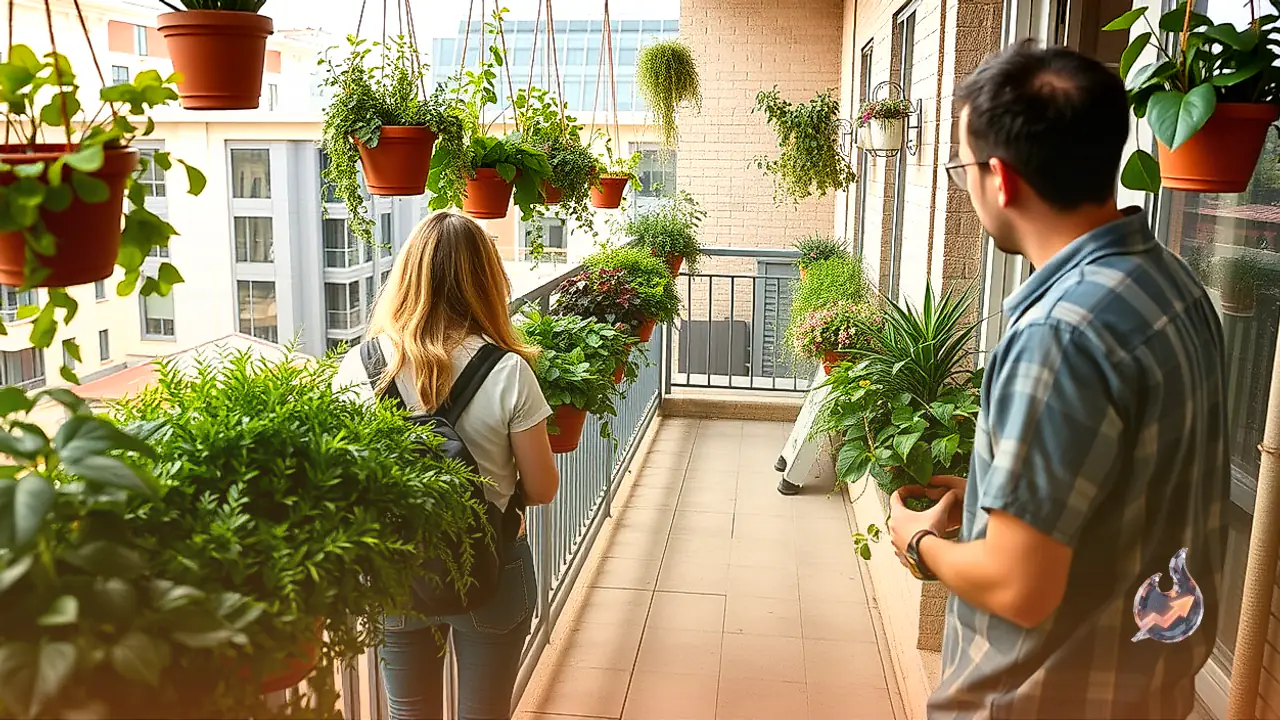
Household flora and botanical arrangements around the entrance significantly influence the surrounding environment. If thorny varieties causing frequent discomfort or pricking are situated inside the house or close to the main entryway, their location and arrangement should be reassessed before Navratri begins. Additionally, accumulated dry flowers, faded garlands, and outdated ritual materials that have remained stored for extended periods should be cleared out. Navratri is a festival dedicated to devotion, purity, and revitalizing domestic ambiance. Incorporating lush, thriving green plants in place of dried foliage enhances the home atmosphere and supports a vibrant living environment.
Adorning the Main Entrance with Torans and Sacred Symbols
Decorating the primary entrance before initiating the Kalash Sthapana is an enduring cultural practice associated with Navratri. According to traditional recommendations, crafting a decorative hanging garland, known as a toran, using fresh mango, banana, or Ashoka leaves creates an auspicious entryway. Families also traditionally create sacred footprints of Goddess Durga at the threshold, symbolizing a reverent welcome for the divine presence into the home. Another effective practice involves placing a clean brass or copper vessel filled with fresh, pure water and floating petals near the entrance. Replacing this water and flowers daily throughout the nine days keeps the entrance inviting, clean, and filled with positive energy.