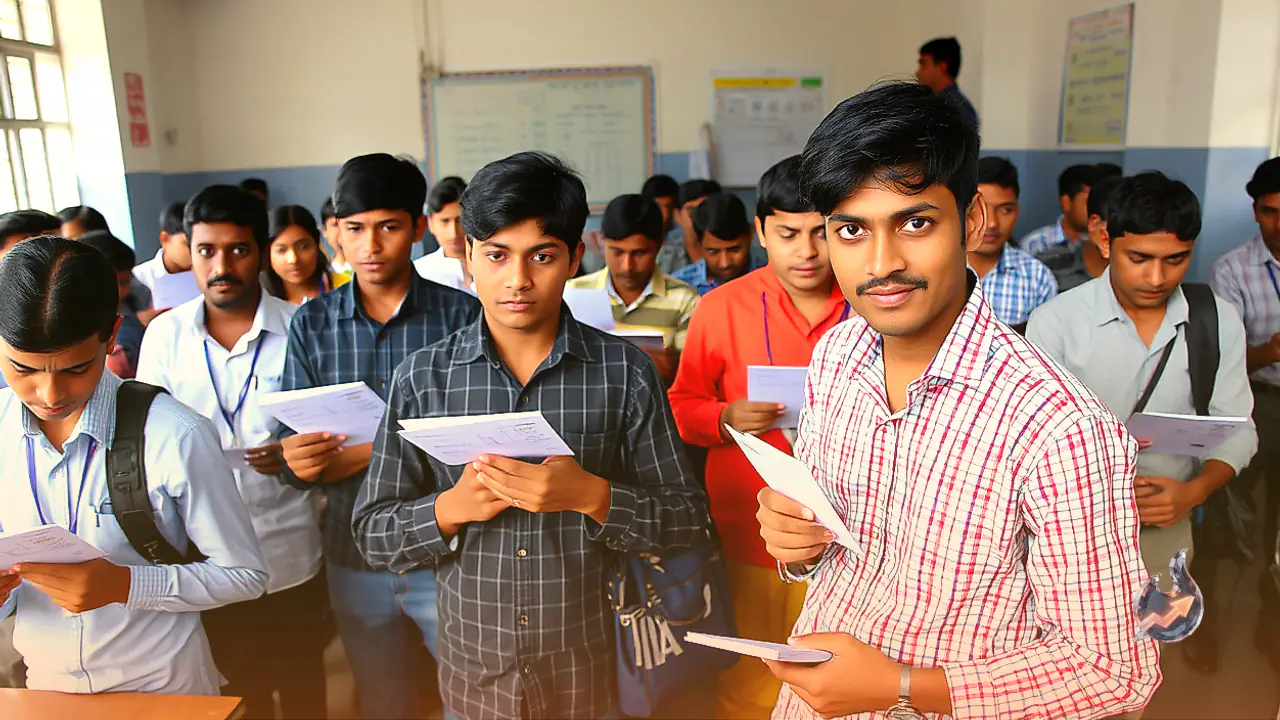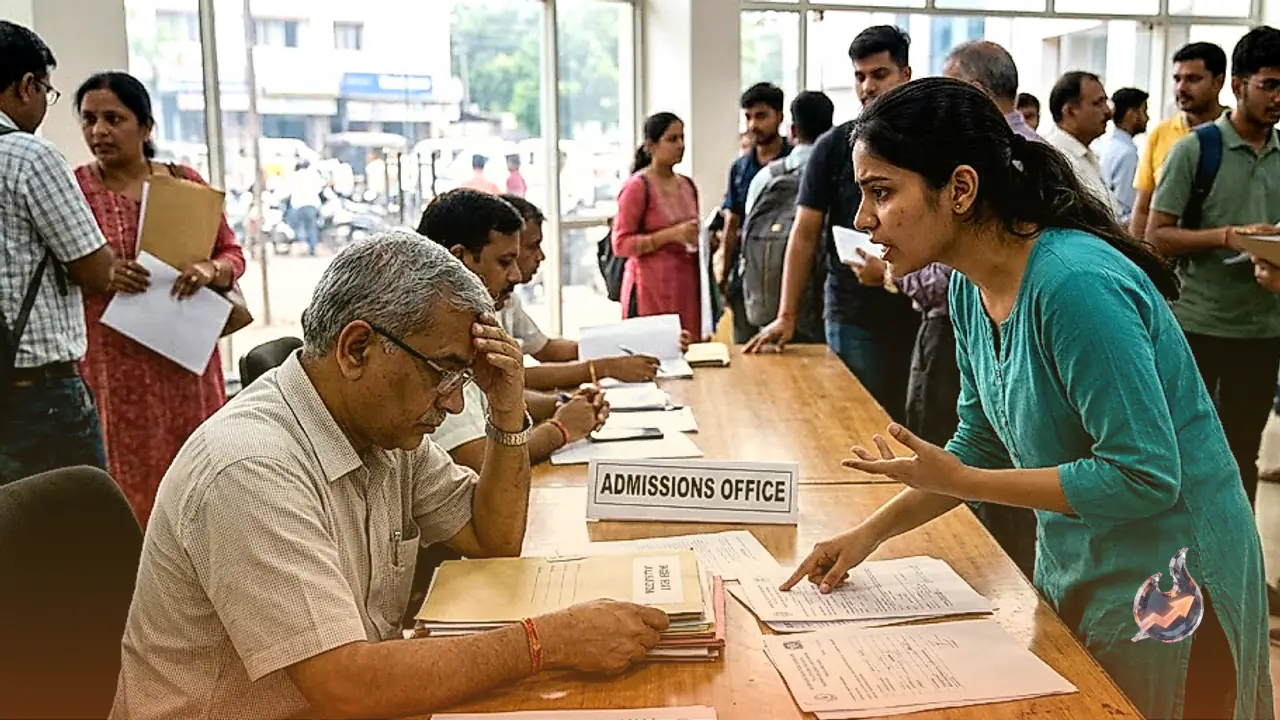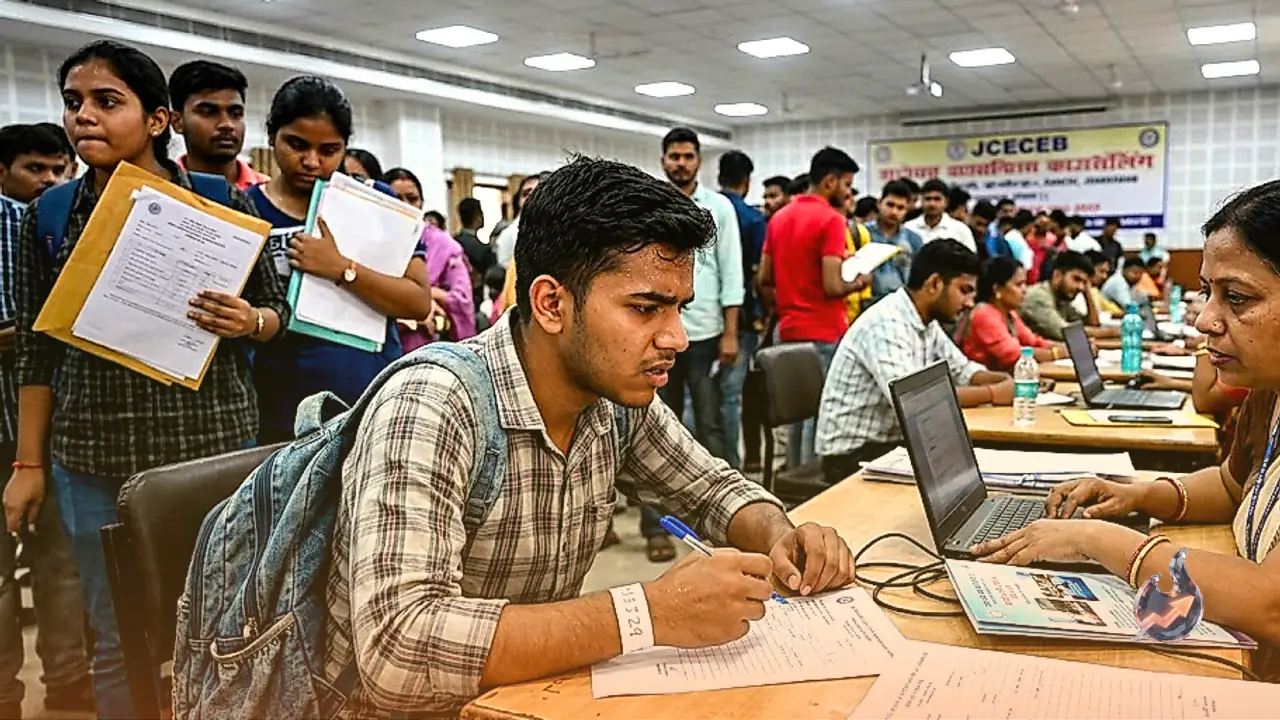























The conclusion of school education often brings immense psychological pressure as learners face the daunting task of shaping their careers. Soon after completing their Class 12 assessments, the broader discourse among students and guardians tends to shift toward high-stakes national screening exams such as CUET, JEE, NEET, and CLAT. Conversations overwhelmingly revolve around securing top coaching spots and cracking difficult exams, which creates unwarranted anxiety for students who do not wish to be part of this intense competitive race.
Every young learner possesses distinct aptitudes and aspirations, meaning uniform career paths are neither practical nor necessary. If an individual lacks enthusiasm for engineering equations, medical terminologies, or intense theoretical science coursework, viable professional pathways still remain wide open. Within the Indian higher education landscape, several well-regarded institutions provide contemporary, creative, and professional degree options that rely directly on secondary school aggregate percentages rather than nationwide competitive evaluations.
Merit-Based Entry in Traditional Undergraduate Programs
A broad array of prominent state and central academic institutions maintain traditional merit systems for admissions into standard undergraduate streams such as Bachelor of Arts, Bachelor of Science, and Bachelor of Commerce. Learners wishing to delve into history, economics, political science, literature, pure mathematics, or life sciences can secure seats in various universities based on their Class 12 board marks.
Far from being obsolete, these foundational degree courses establish an exceptionally strong base for major career pathways including the civil services, corporate operations, public policy, banking institutions, and academic research. By coupling their regular curriculum with self-driven skills development, undergraduates from conventional programs often build remarkable professional trajectories without enduring the stress of early entrance screenings.
Creative Pursuits: Media, Designing, and Multimedia
For individuals drawn to visual storytelling, design concepts, and modern communication tools, disciplines such as journalism, mass communication, fashion styling, animation, and multimedia design serve as compelling career tracks. With the continuous expansion of digital platforms, digital advertising, and content production, market demand for imaginative talent continues to surge.
Numerous reputable private and deemed universities grant direct entry into these specialized creative programs using senior secondary aggregate scores or simple institution-level aptitude evaluations. In these innovative disciplines, candidates are assessed more on their original thinking, practical portfolio, and hands-on expression rather than their capacity to memorize exam syllabi.
Accelerated Tracks in Management and Information Technology
There exists a widespread misconception that entry into professional programs like Bachelor of Business Administration (BBA) or Bachelor of Computer Applications (BCA) strictly demands clearing rigorous national entrance tests. In practice, numerous established business academies and technical institutes admit students purely based on Class 12 board merit or quick internal baseline evaluations.
Targeted courses in web programming, software building, corporate business essentials, and digital promotion prepare undergraduates directly for workplace demands while saving valuable prep time. Contemporary hiring across industries heavily prioritizes real-world execution, technical certifications, and problem-solving capability over standardized exam credentials.
Key Steps for Evaluating Colleges and Disciplines
When pursuing admission routes that bypass nationwide screening exams, applicants must exercise due diligence rather than making impulsive enrollment decisions. Prior to confirming a seat, learners should thoroughly verify the institution's statutory approvals, national accreditation status, verified placement histories, and the quality of physical lab infrastructure or practical workshops.
Completing Class 12 represents a defining transition point for every student. Recognizing personal interests, evaluating practical opportunities, and taking informed steps free of external panic ensures a fulfilling educational path tailored to individual ambitions.