



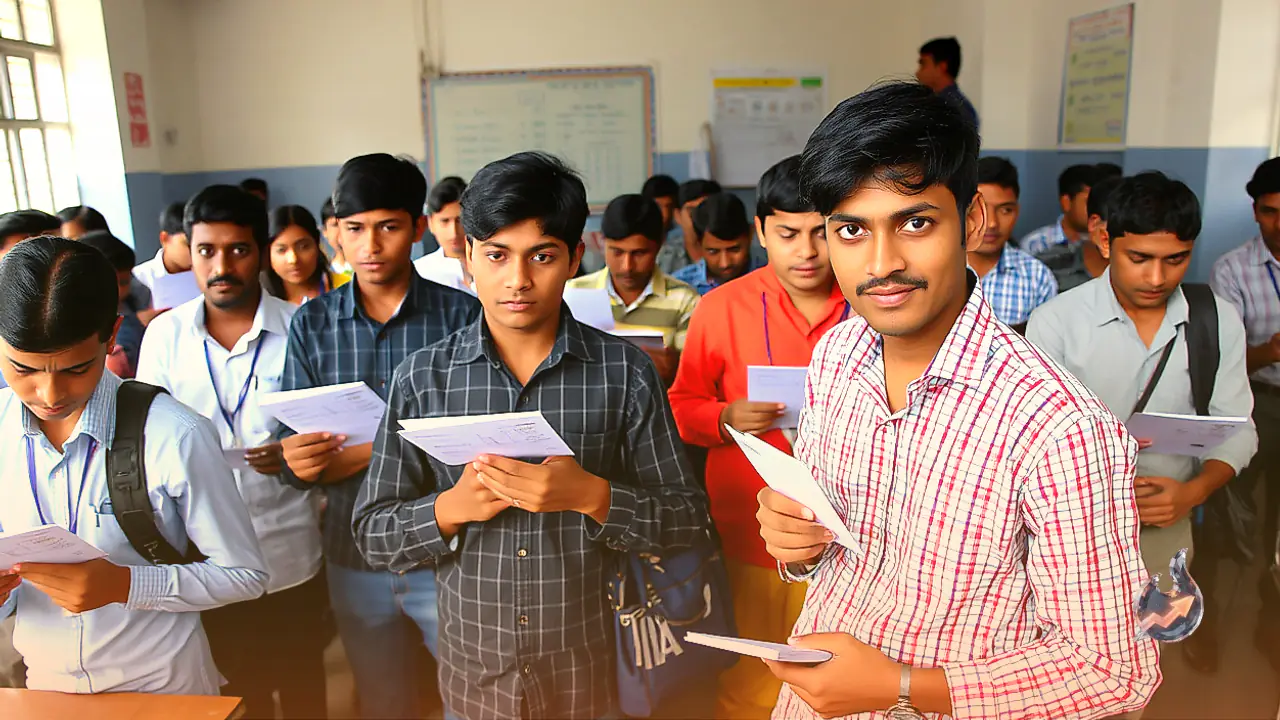














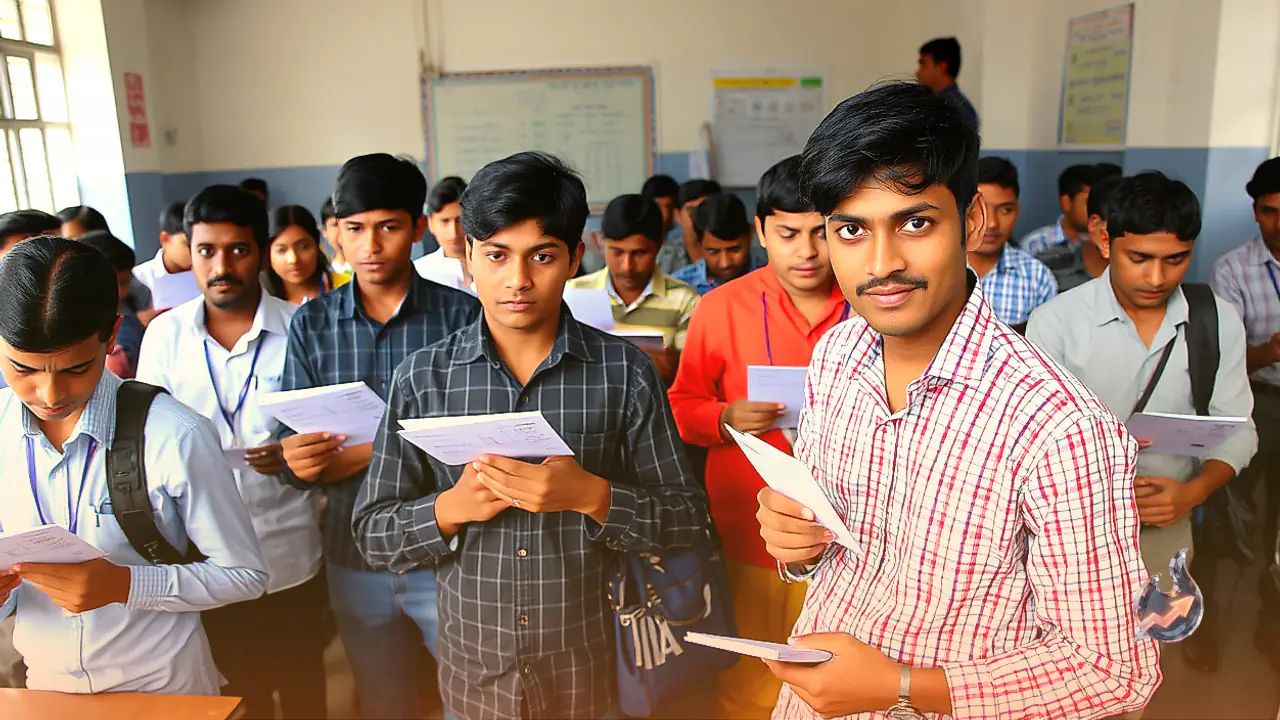

Aspiring engineering students planning to sit for the JEE Main 2027 entrance examination, along with their parents, must complete essential administrative checks well before the official application window opens. Although the National Testing Agency has not yet released the formal examination notification or announced the schedule for online registration, candidate experiences from previous testing cycles highlight the necessity of auditing identity and academic records in advance. Addressing discrepancies early prevents last-minute panic and eliminates technical hurdles during submission.
Critical Mismatches That Can Lead to Application Rejection
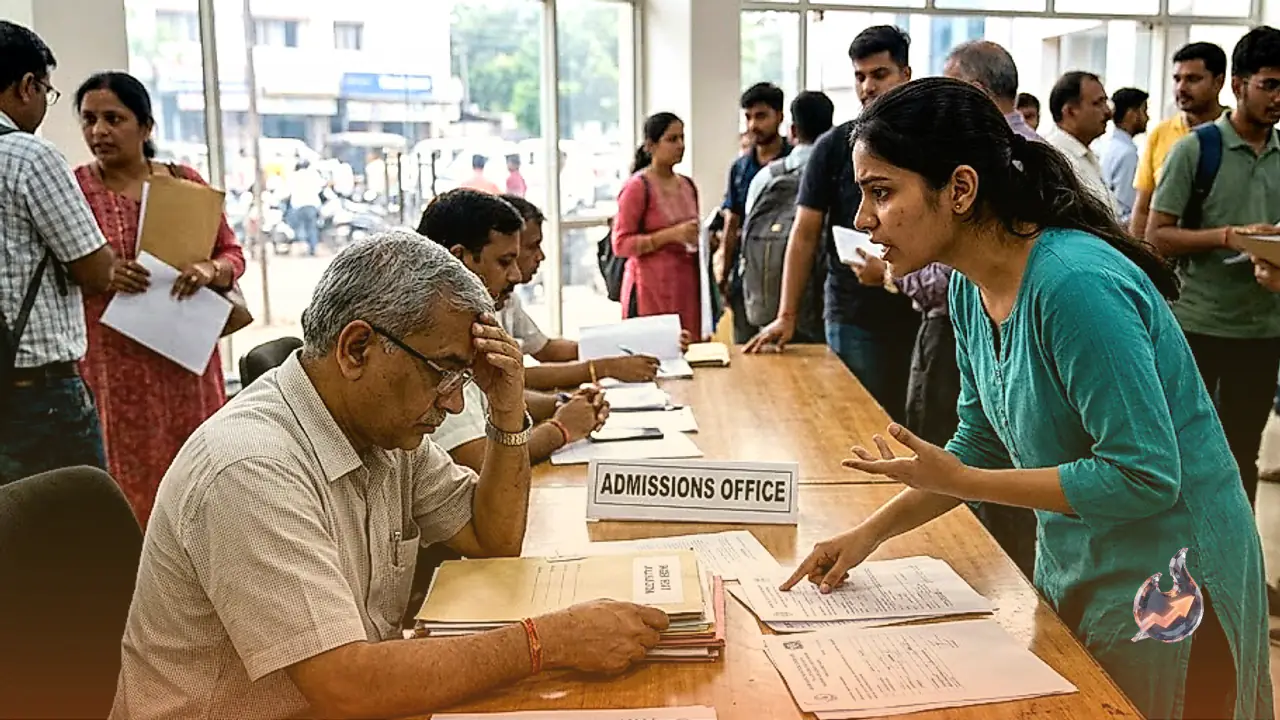
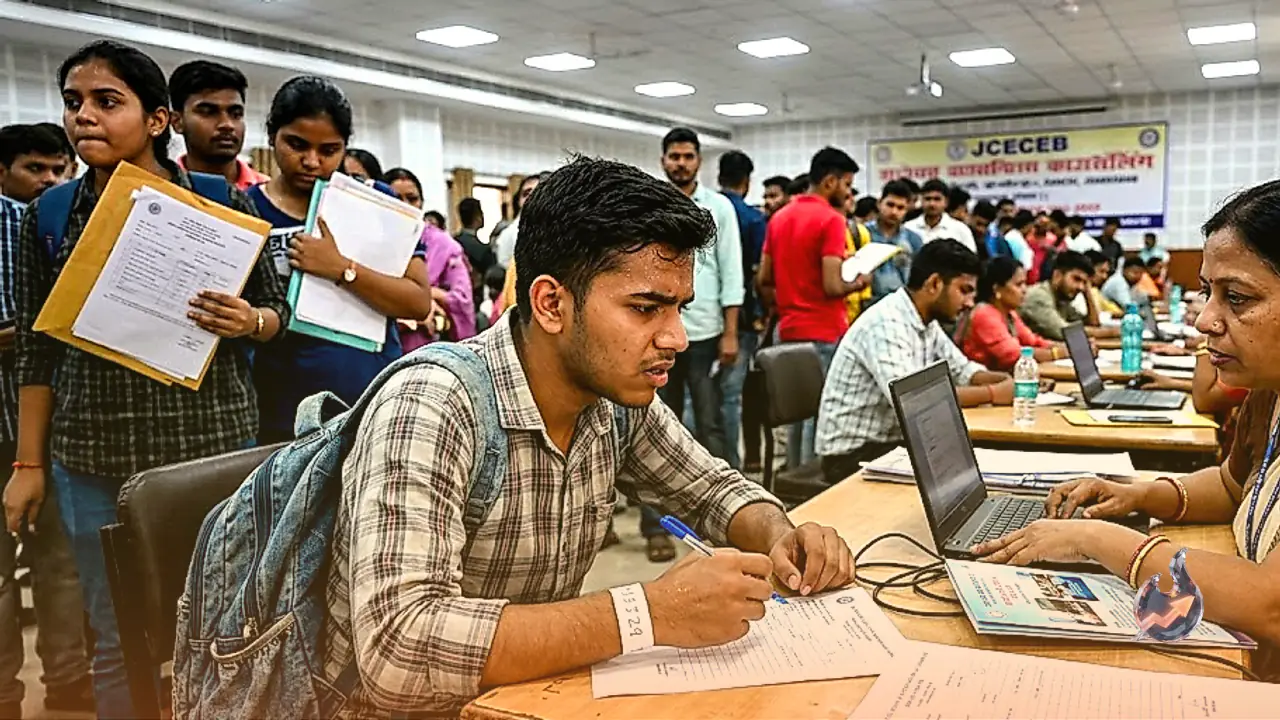
Candidates often overlook minor discrepancies between their Class 10 marksheets and official identity documents like the Aadhar card when hurriedly filling out forms. Discrepancies in the candidate's name spelling, father's name, surname, or date of birth carry a high risk of application cancellation or being turned away at the examination venue. The Class 10 certificate serves as the primary official record for verifying a student's date of birth. If the information on this marksheet fails to match the identification card precisely, the automated digital verification system can reject the submission during the Aadhar authentication stage. Candidates with outdated childhood photographs on their identification cards must also update them promptly.
Live Photo Capture and Biometric Verification Requirements
To uphold integrity and eliminate impersonation in one of the country's most competitive examinations, the National Testing Agency relies on strict multi-layered verification protocols. Following rules established in recent sessions, the official registration portal captures a live photograph using the candidate's device camera during online form submission. The system performs a real-time face match comparing the live capture, uploaded photograph, and provided identity document. Any significant divergence in facial features or fingerprint biometric data will flag the profile and stall the digital verification process.
Essential Reservation and Category Documents to Keep Ready
Students claiming reserved category benefits must ensure that all supporting certificates are fully updated and compliant with official guidelines. Candidates belonging to EWS, SC, ST, and OBC-NCL categories need to confirm that their category certificates are issued by competent authorities within valid date windows. Similarly, candidates seeking reservation under the PwD quota require a valid UDID or official disability certificate issued by a recognized medical institution. Preparing clear digital scans of signatures and recent passport-size photographs beforehand also prevents disruptions caused by high server traffic near application deadlines.
Why Early Verification Prevents Last-Minute Disruption
Correcting details on identity documents or academic marksheets is a time-consuming process. Requesting corrections through UIDAI or secondary school education boards generally requires 15 to 30 days for administrative processing. Waiting for the formal release of application forms leaves students with inadequate time to rectify errors before registration windows close. Aspirants should systematically audit all personal documents immediately to ensure any necessary corrections are processed without risking their exam eligibility.