























According to fancy eyewear trader Deepak, this business can be launched on a small scale with an initial capital of around 20,000 rupees. On the other hand, if an individual wishes to establish a large-scale shop, a capital ranging from approximately 50,000 rupees to one lakh rupees may be required. The initial investment entirely depends on the number of varieties you wish to keep and the scale at which you want to open the store. Entrepreneurs with limited capital can begin with a restricted range of designs and highly popular sunglasses.
Choosing the Right Location for Your Shop
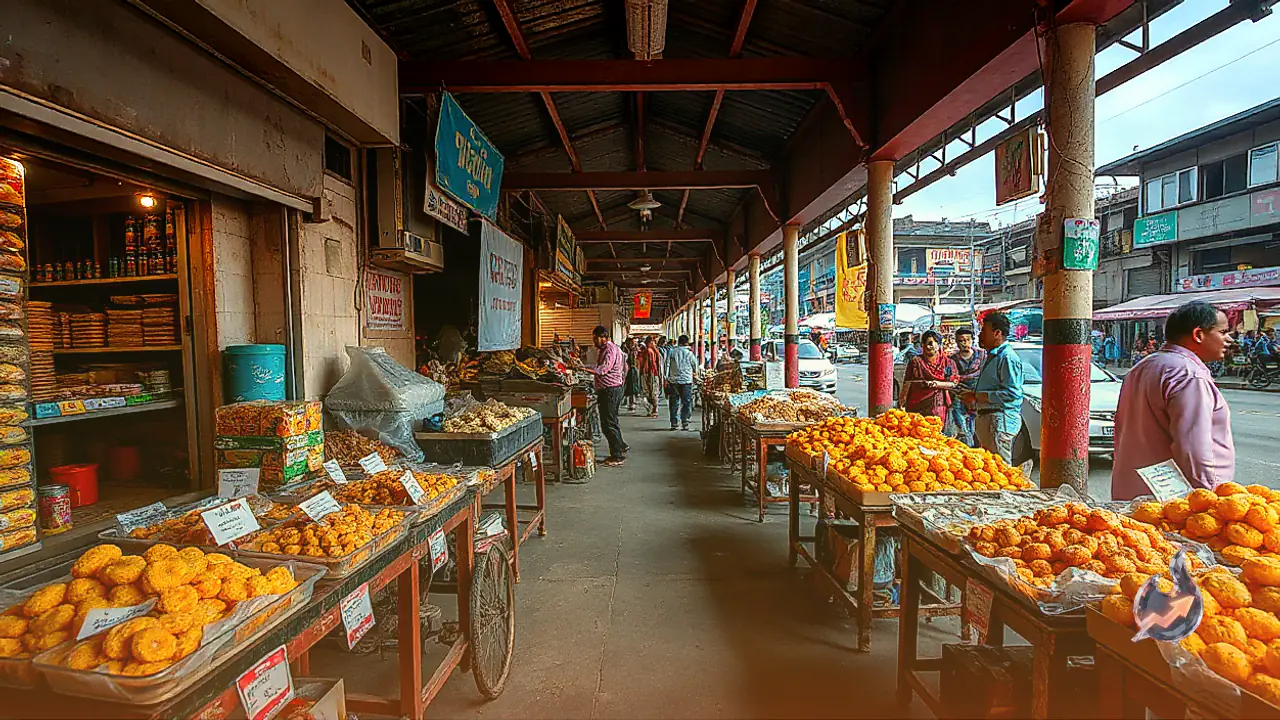
Deepak explains that store location plays a vital role in the fancy goggles trade. One should select a site that experiences high foot traffic, as bustling markets are considered ideal for this commercial venture. Having a prime location ensures that a greater number of customers reach the store, which significantly increases the likelihood of higher sales.
Sourcing Inventory From Major Wholesale Markets
To start this business, procurement of eyewear can be done from prominent markets such as Delhi, Kolkata, and Asansol. Additionally, local markets in Dhanbad offer alternative sourcing options for acquiring goods. Beginners should focus on selecting varieties that enjoy high demand in their local markets to align with customer preferences and boost overall sales performance.
Focusing on Design, Quality, and Trends
Attracting customers in this sector requires dedicated attention to frame design, overall product quality, and diverse styling. According to Deepak, the quality of merchandise must be strictly inspected prior to purchase, ensuring there are no defects, broken frames, or imperfections. Keeping inventory updated in accordance with the latest prevailing fashion trends in the market is equally essential.
Understanding Margins and Monthly Earnings
Standard black goggles can be paired with varied frames, distinct designs, and multiple styles to enrich the shop inventory. Preparing stock according to consumer choices and local market demand proves advantageous for the enterprise. Deepak notes that traders can maintain a profit margin of approximately 40 to 50 percent based on purchase costs and retail selling prices. With an investment of around 20,000 rupees, a trader can assemble a stock of 300 to 500 pieces of eyewear. Selling 15 to 20 glasses daily to achieve a sales volume of 1,000 to 1,500 rupees allows earners to make a net monthly profit of roughly 15,000 to 20,000 rupees. Furthermore, during festive periods, community fairs, and the wedding season, surging demand can push earnings up to 30,000 to 40,000 rupees.