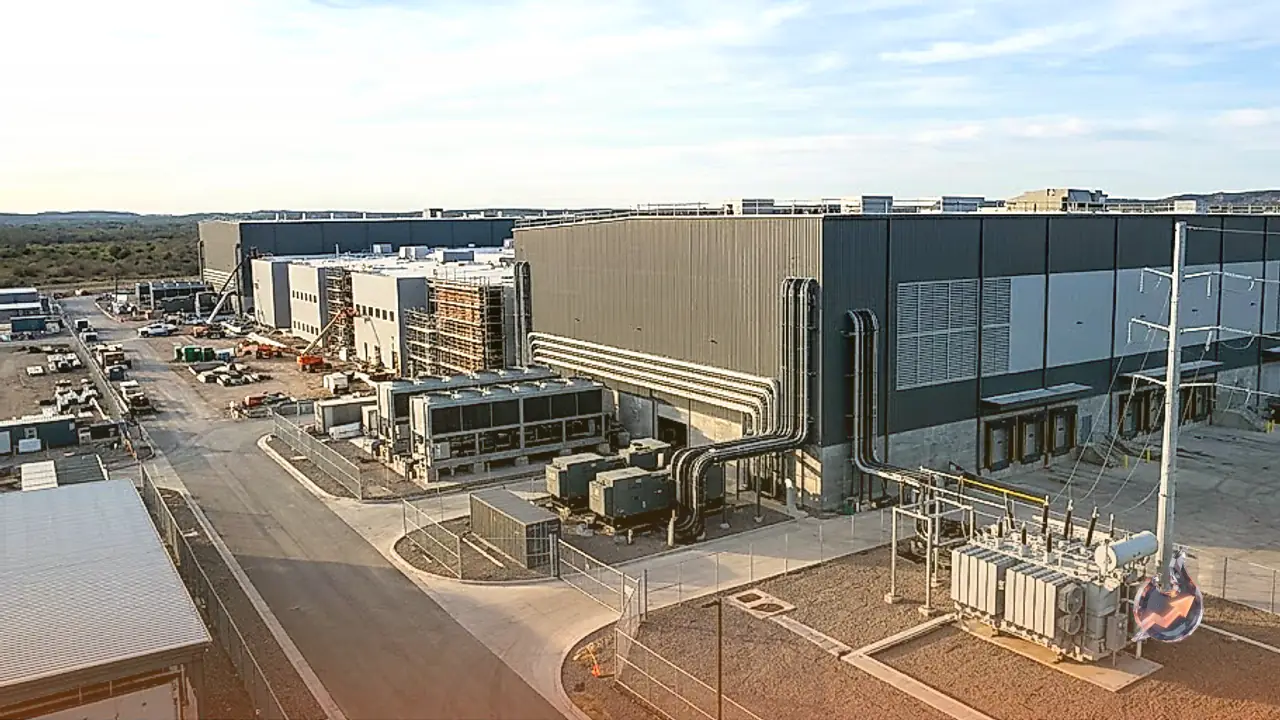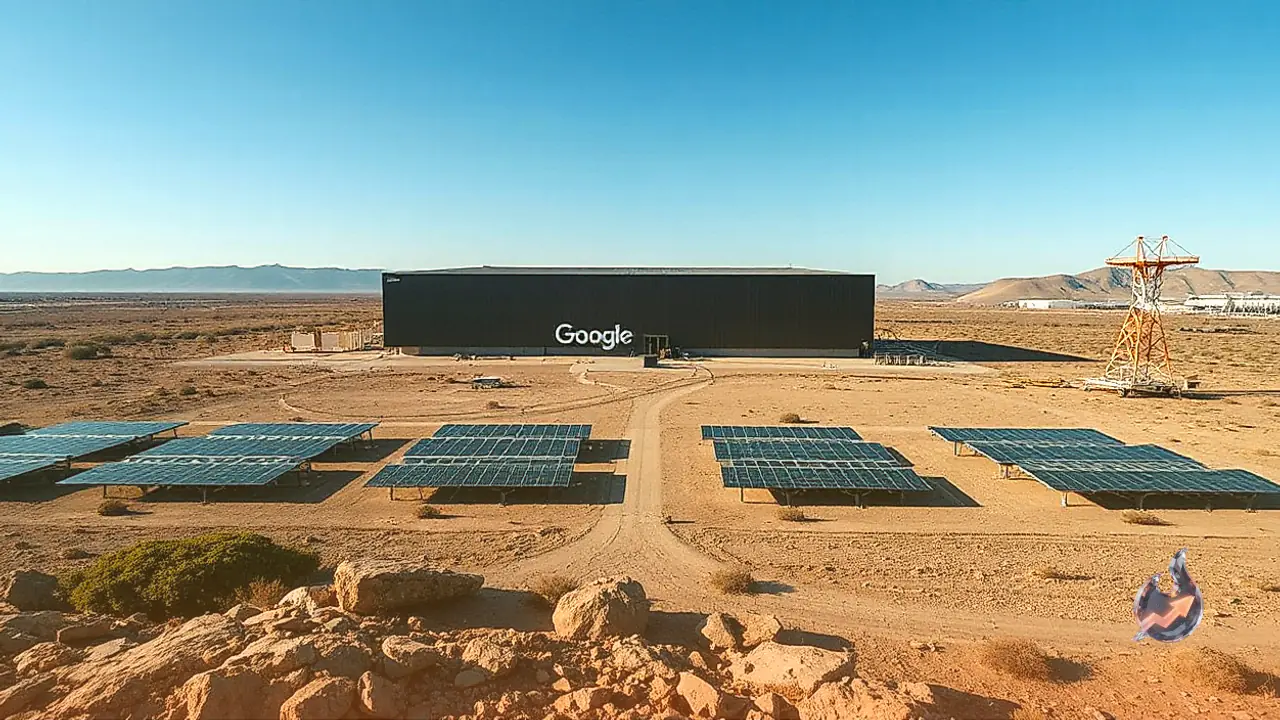
























Big Tech's aggressive drive to dominate artificial intelligence infrastructure is sparking widespread unease among equity investors. Over the last two weeks, Alphabet, Amazon, Meta, and Microsoft laid out plans to deploy more than $740 billion in capital expenditures during the current year, a staggering figure that market analysts interpret almost entirely as spending on AI data centers, specialized computing clusters, and processors. When the AI boom initially took off, financial markets enthusiastically cheered every large outlay as proof of durable technological leadership and explosive future growth. Entering the fourth quarter, however, that speculative enthusiasm has shifted into serious concern regarding negative free cash flow, escalating corporate leverage, and whether the massive capital being sunk into the ground will generate acceptable financial returns.
Equities Tumble Across Wall Street and Chip Makers Suffer
Investor anxiety triggered broad selling across financial markets on Friday. The tech-heavy Nasdaq Composite dropped 2.9%, with semiconductor suppliers bearing severe losses. Nvidia shares fell 4%, Broadcom dropped more than 5%, and Qualcomm slumped 11%. Google parent Alphabet faced sustained downward momentum after crashing 12% on Thursday, a record one-day wipeout that erased roughly $500 billion from its equity valuation.
Search Slowdown and Alphabet's Strategic Dilemma
A core source of market worry stems from how AI deployments are actively degrading the fundamental unit economics of businesses that historically threw off immense cash surpluses. Alphabet offered the starkest display of this reality. Google's parent entity reported negative free cash flow of $9.1 billion in the third quarter, marking its second straight quarter in the red even as quarterly capital expenditures climbed to $51.4 billion. Management projects capital outlays of up to $205 billion for the full year, while indicating that spending will continue to expand throughout 2027.
At the same time, the rapid adoption of AI Mode, the generative conversational system embedded directly inside Google Search, is beginning to cannibalize the company's primary profit engine. Search advertising revenue, which represents roughly half of Alphabet's total turnover, slowed to 12% expansion, registering its weakest quarterly performance over five quarters. The dynamic leaves Google navigating an acute dilemma by spending tens of billions on an AI layer that risks eroding the very advertising franchise funding it.
Cash Burn Accelerates at Amazon and Meta
Amazon finds itself navigating comparable cash flow headwinds after posting negative free cash flow of $42.4 billion over the preceding twelve-month period, a sharp reversal from the $14.8 billion in positive free cash flow generated a year earlier. The company guided to $220 billion in total capital spending for the current year. Despite 39% revenue growth inside its AWS cloud division, Amazon equity fell 7% following the earnings release.
Meta is similarly draining substantial cash reserves, logging negative free cash flow of $2.1 billion for the third quarter as capital investments overwhelmed cash from operations. Leadership forecast full-year capex reaching up to $145 billion. The company acknowledged that Muse, its newly deployed free personal AI agent, requires significant financial overhead, with CEO Mark Zuckerberg describing it as "very compute-intensive to run." Even though Meta posted a 26% gain in advertising revenue, the positive results were insufficient to insulate the stock from a 10% pullback last week.
Microsoft Posts Positive Cash Flow Amid Supply Bottlenecks
Microsoft stood out as the sole major player to maintain positive free cash flow, delivering $18.6 billion in the recent quarter alongside $45.2 billion in capital expenditures, coming in below its $50 billion projection. Executive management clarified that the lower figure was not a deliberate retreat from AI deployment, attributing the variance to delivery bottlenecks from external data center suppliers. That explanation promptly caused shares in smaller alternative vendors leasing AI computing hardware to tumble.
Debt Financing Expands as Anthropic Prepares Public Debut
The vast capital required to build out this global hardware footprint is increasingly being raised through debt offerings rather than funded purely by operating profits. Data from S&P Global Market Intelligence indicates that Microsoft, Alphabet, Amazon, Meta, and Oracle collectively issued $326 billion in debt during 2026, representing a threefold increase over the previous year's borrowing.
Overall demand for computing power remains robust, as reflected in cloud division gains across Google, Amazon, and Microsoft. Yet the mounting financial commitments needed to fulfill that demand have rattled institutional investors. This environment also presents complications for Anthropic, which filed registration documents this week to pursue an initial public offering. Because the developer's expansion depends on securing vast quantities of compute, warnings from Blackstone that the enterprise may not secure an investment-grade rating post-IPO suggest Anthropic could remain heavily dependent on hyperscalers and third-party infrastructure providers to support its technical roadmap.