
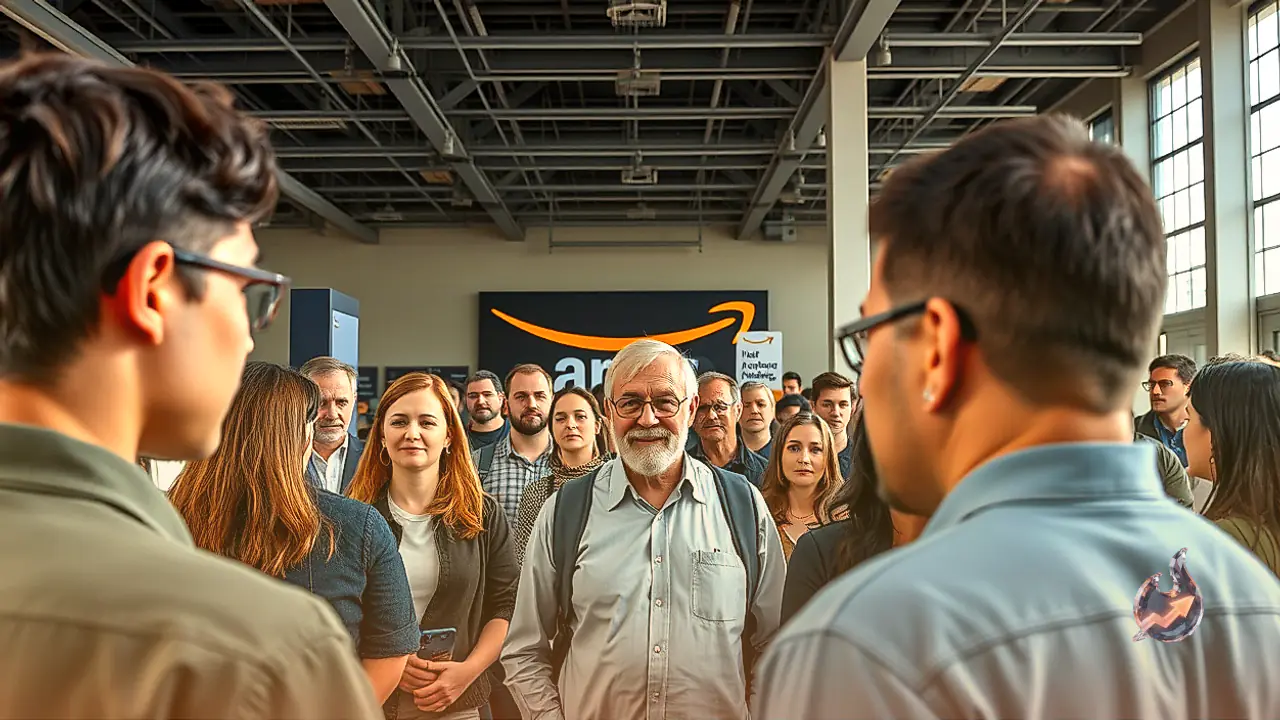






















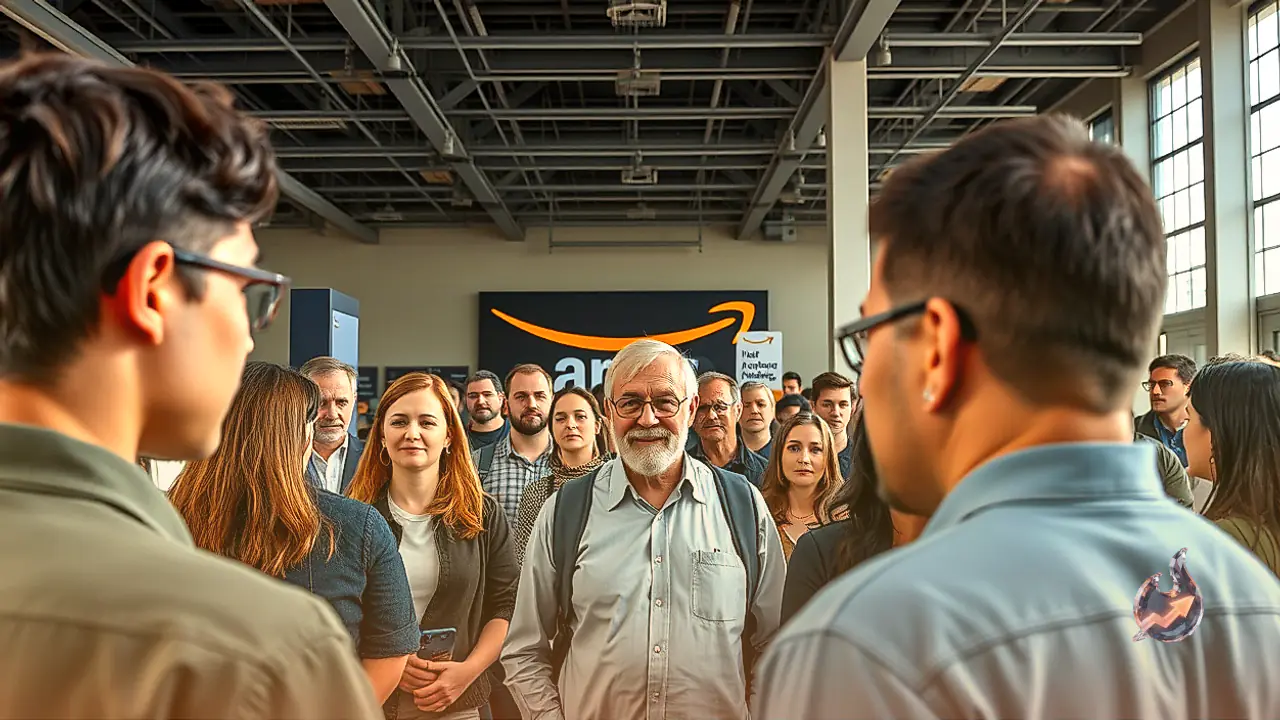

Amazon Web Services Chief Executive Officer Matt Garman has stated that the cloud computing giant is no longer relying on nondisclosure agreements when working with government agencies to secure permits for new data facilities. The revelation arrived within an extensive corporate publication where Garman sought to dispel widespread public suspicion surrounding data center developments and make the broader case that such industrial hubs deliver tangible benefits to surrounding municipalities. The policy change marks a direct concession to growing grassroots and political resistance against the rapid expansion of artificial intelligence infrastructure across the country.
Transparency Concerns and Rising Regional Moratoriums
Confidentiality pacts have served as a lightning rod for criticism from civic groups and environmental leaders. Activist Erin Brockovich pointed out that the single most frequent grievance voiced by local residents centers on transparency, noting a consistent cycle where developers refuse to return calls, municipal officials sign binding secrecy pacts before neighbors are even notified of an upcoming build, and projects are officially announced only after all necessary permits are locked in place.
The pushback has already triggered tangible legal and legislative consequences in key jurisdictions. The state of New York instituted a one-year freeze on issuing permits for large-scale data center constructions. Garman noted that over 100 distinct data center moratorium proposals are currently under active consideration in various jurisdictions across the United States. He cautioned that if these restrictive policies take effect broadly, the United States could inadvertently forfeit its competitive edge in technological advancement, warning that the long-term ramifications could harm future generations and arguing that the nation cannot afford such an outcome.
Resource Consumption Debates and Power Grid Pricing Pressures
In his effort to reset public discourse, Matt Garman sought to challenge four prevailing claims regarding data facilities: that they deplete excessive water reserves, inflate utility bills for everyday consumers, generate heavy local pollution, and fail to provide reciprocal economic value to host towns. Addressing cooling and resource requirements, Garman cited internal operational data indicating that direct facility water usage accounts for a mere 0.5 percent of total industrial water consumption within the United States, which he framed as dramatically lower than the water consumed by golf courses, commercial almond cultivation, and numerous other conventional businesses.
Hardware manufacturer Nvidia likewise announced plans to eliminate virtually all internal facility water consumption. However, researchers point out that such metrics overlook the massive volume of water required offsite during electrical power generation and semiconductor manufacturing. Independent scientists have repeatedly highlighted the urgent need to conduct external audits on tech facility energy and water demands, given that neither federal authorities nor state administrations mandate standardized disclosure standards for these operational figures.
Regarding electricity prices, Garman argued that utility rates have only escalated in select states that house exceptionally dense clusters of server complexes, while remaining flat or climbing more modestly in other parts of the country. He maintained that higher power charges stem primarily from aging, underfunded electrical grids that were never modernized or expanded prior to modern demand surges. Conversely, an assessment from an independent market watchdog determined that power facilities serving computing campuses were the primary factor behind a staggering 76 percent year-over-year surge in wholesale prices across the largest electrical grid in the United States.
Emissions Debates and the Ongoing Deficit of Public Trust
Air quality and backup systems represent another volatile battleground. The NAACP is actively engaged in legal proceedings against Elon Musk's venture SpaceX and xAI regarding emission outputs from heavy generators. Garman claimed that critics routinely mischaracterize projects by fixating on theoretical ceiling limits specified in initial paperwork. In one notable case, an approved facility belonging to Amazon in Texas holds permits allowing up to 33 million tons of carbon dioxide annually, an allowance surpassing every individual operational power plant in the nation.
Countering those figures, Garman explained that backup industrial generators remain inactive approximately 99.9 percent of the time, operating for roughly 10 hours annually strictly to fulfill mandatory maintenance checks. Pointing toward local contributions, he highlighted the formal cessation of government secrecy agreements alongside financial investments, stating that Amazon channeled upwards of $1 billion across the past three years into American communities hosting meaningful corporate data hubs.
Whether these explanations will ease public distrust remains uncertain. Anthropic Chief Executive Officer Dario Amodei noted that the escalating opposition toward artificial intelligence stems fundamentally from a crisis of confidence, wherein everyday citizens suspect technology corporations and political figures are collaborating against public interest. Commenting on the phenomenon, writer Jasmine Sun observed that even when presented with technical justifications from major tech firms, skeptical community members consistently respond that they simply do not believe the assurances.