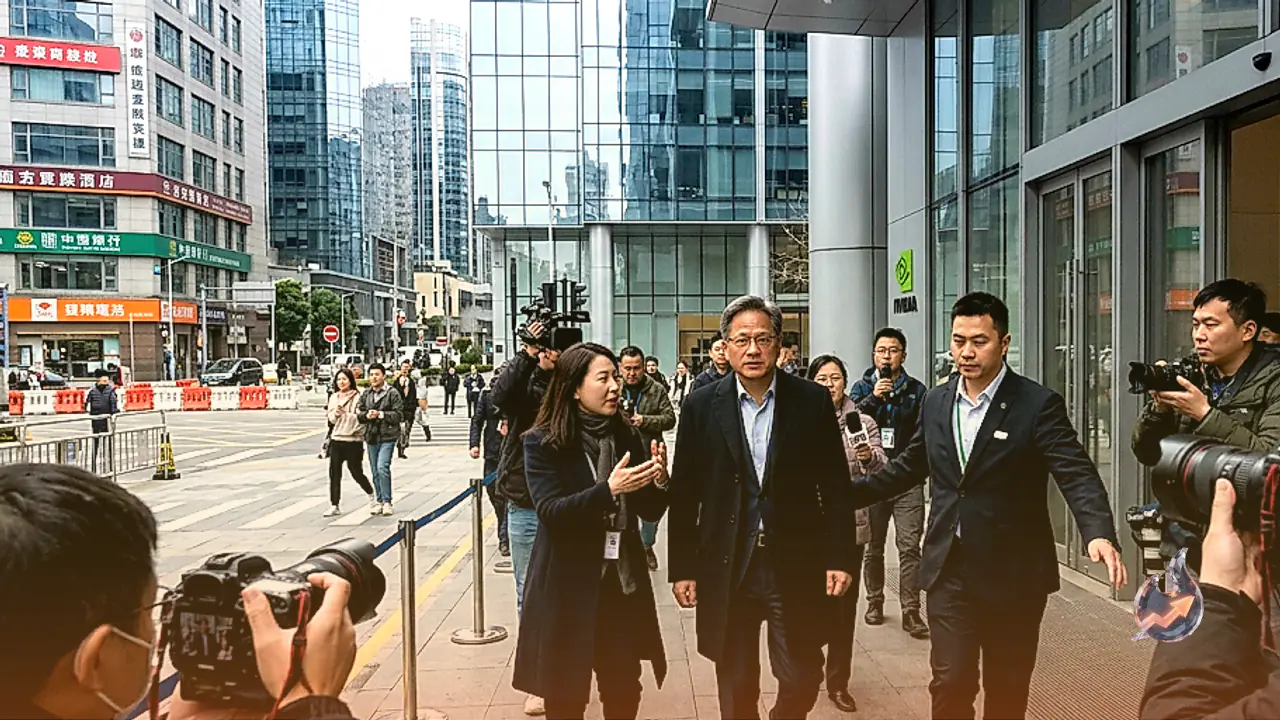

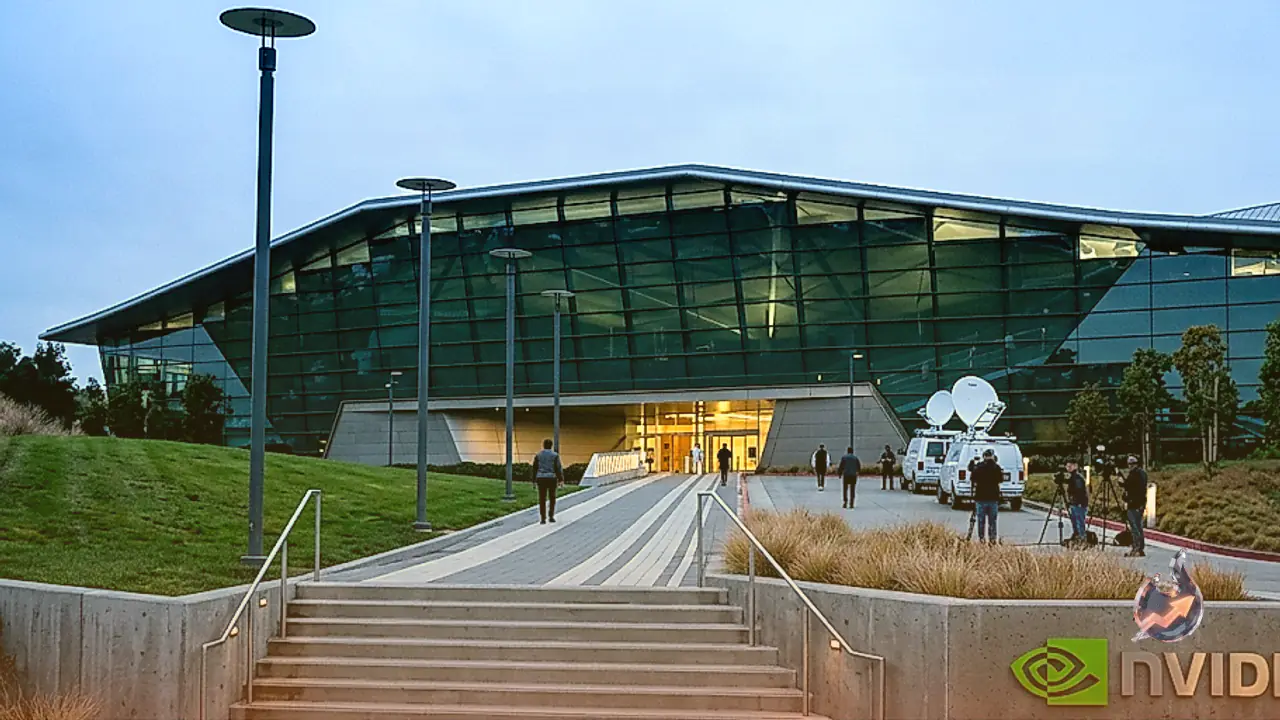





















Nvidia’s board announced Sunday that it is launching an independent investigation after CEO Jensen Huang informed staff about an extramarital relationship. However, this is not an ordinary executive scandal. The romantic involvement is with Megaspeed executive Alice Huang, whom U.S. officials suspect of acting as a Chinese spy passing information back to Beijing. The stakes extend far beyond Nvidia itself, given how deeply technology and financial partners rely on the company's foundational role in the artificial intelligence economy. Huang recently told Bloomberg in an interview that he feels responsible for an entire industry.
Chinese Embassy Response and U.S. Intelligence Scrutiny
A spokesperson for the Chinese Embassy in Washington dismissed these allegations in late October as groundless, and no official charges have been filed against anyone involved. Nevertheless, U.S. intelligence officials reportedly briefed President Donald Trump about their growing concerns a year ago, and unnamed senior administration sources told the Times that they doubt Huang could have remained unaware of Alice Huang’s intelligence-gathering activities throughout that period. When Trump received his initial briefing, officials believed Huang was oblivious, though it remains unclear whether that assessment has shifted. Meanwhile, the board has stated it has found no indication that company secrets or national security were compromised.
Jeffrey Sonnenfeld Evaluates Huang’s Prospects
The central question is whether Huang can successfully navigate this crisis. To explore the possible outcomes, leadership expert Jeffrey Sonnenfeld, senior associate dean at the Yale School of Management and founder of the Chief Executive Leadership Institute, shared his perspective. Sonnenfeld expressed personal admiration for Huang and views his career as salvageable, though he calculates the survival odds at roughly 50-50. He noted that Huang has historically enjoyed universal reverence and trust across the technology sector, describing the current episode as an instance of remarkably poor judgment that would normally cost any other employee their job.
Idiosyncrasy Credits and Institutional Goodwill
Sonnenfeld suggested that Huang’s primary lifeline could lie in what social psychologists term idiosyncrasy credits, provided he can substantiate claims that he was manipulated. Derived from a 1958 paper by psychologist Edwin Hollander, the concept describes how individuals earn behavioral latitude within a group through sustained competence and adherence to rules. Huang has accumulated substantial goodwill since co-founding Nvidia in 1993. Yet, that accumulated capital can evaporate rapidly when a misstep appears self-serving or violates core organizational norms, which in this case includes Nvidia’s board, its approximately 42,000 security-bound employees, and regulatory bodies overseeing export controls.
Precedents and the Succession Challenge
There are virtually no direct historical precedents for the current unfolding scenario. While executives surviving personal scandals sometimes transition to new leadership roles elsewhere, as former HP CEO Mark Hurd did when he moved to Oracle after resigning amid expense report controversies in 2010, Huang's situation is entirely unique because Nvidia is his foundational creation. Furthermore, Nvidia lacks a traditional corporate succession bench. Huang has maintained a notably flat organizational structure with roughly 60 direct reports, complicating the identification of a successor, although his children, both employed at the firm, frequently spark succession speculation. Analysts suggest boards facing acute crises often seek external messianic solutions, with figures like former Google CEO Eric Schmidt occasionally mentioned in speculation.
Financial Web and the China Export Question
The complexity of Nvidia's financial entanglement across the tech ecosystem makes this predicament uniquely volatile. Beyond supplying chips for the AI boom, Nvidia acts as a major financial backer, holding stakes in numerous startups alongside major investments in OpenAI, Anthropic, xAI, CoreWeave, and Nebius. The company also entered preliminary agreements with major financial institutions including Apollo, BlackRock, Blackstone, Brookfield, Goldman Sachs, and KKR to mobilize over $500 billion, with Huang pledging potential backstops for a significant portion. A leadership disruption at such a central node introduces systemic risks.
Board Investigation and Megaspeed Scrutiny
Independent board members must now investigate whether advanced technology reached China through unauthorized channels, specifically scrutinizing Nvidia's relationship with Megaspeed. The Singapore-based cloud firm, which emerged from a Chinese gaming business, became a major buyer of Nvidia chips in Southeast Asia, purchasing roughly $2 billion worth according to previous reports. While Nvidia previously stated those transactions were thoroughly investigated and cleared, the renewed focus on export compliance remains intense. Huang is scheduled to face congressional inquiries and upcoming earnings disclosures while continuing to manage daily operations.
Governance Implications and Future Outlook
Unlike founders with super-voting shares that cement absolute corporate control, Huang lacks such defensive capitalization, making his position more susceptible to governance pressures. This controversy could prompt a broader reassessment of security protocols within the technology sector, where oversight has traditionally been less stringent than in defense contracting. While Huang may weather the internal investigation, the ultimate test will be whether customers, partners, and institutional investors retain confidence in an AI market inextricably linked to his personal leadership.