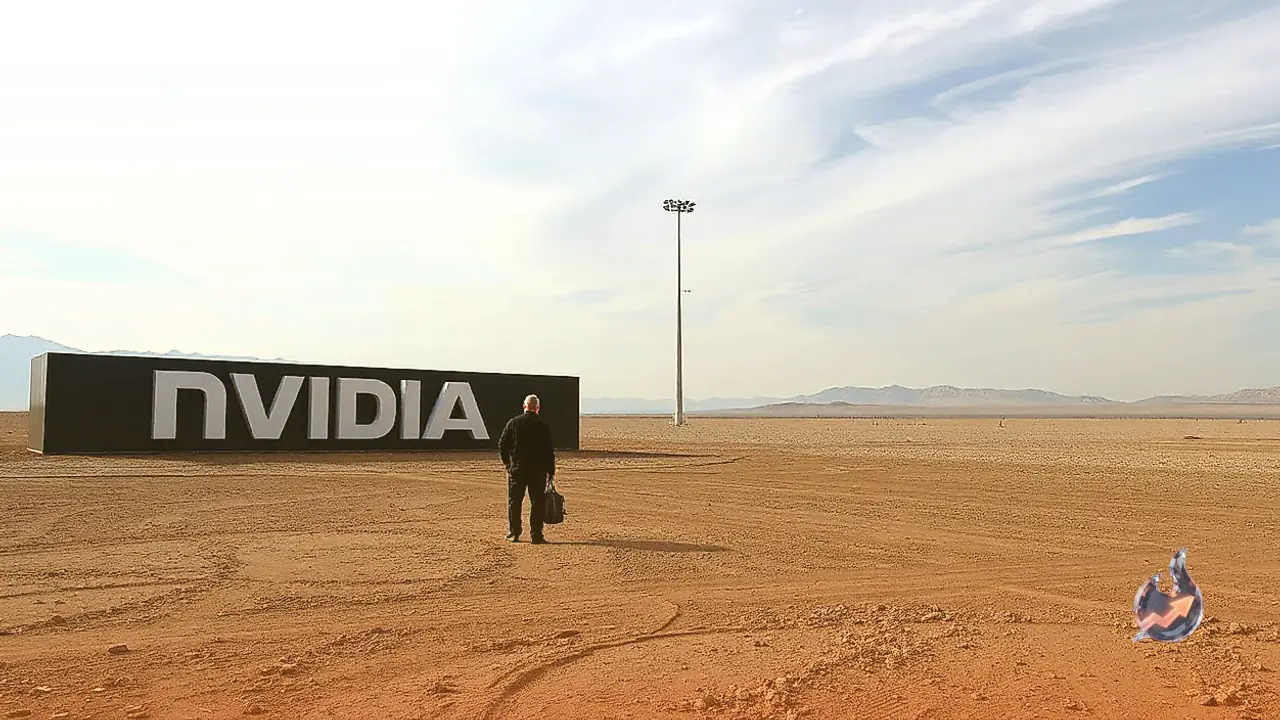























The departure of Jensen Huang has been received with worry in Israel, a region described by Huang himself in 2023 as the company’s second home. The relationship between the semiconductor powerhouse and the local economy runs deep, with the firm having provided a major boost to national economic forecasts through recent years.
Local R&D Footprint and Economic Impact
While tech mainstays like Intel and Microsoft, alongside numerous domestic startups, conduct substantial research and development in Israel, the semiconductor giant has held an undisputed stronghold in AI. Because its graphics processing units remain central to training and deploying large language models, industry observers across the country are left evaluating how deep the leadership crisis will shake up the sector. Driven entirely by Huang, the firm acquired Israeli supercomputer chipmaker Mellanox for $6.9 billion in 2019, turning it into the base for its largest research facility outside the United States. Furthermore, the company had laid out plans to construct a multibillion-dollar campus in northern Israel.
Weighing the Succession and Local Ties
Pavel Gurvich, a repeat cybersecurity entrepreneur, noted that Huang brought the firm to Israel via the Mellanox acquisition, generating substantial positive sentiment toward him within the local tech community. Beyond the 6,000 local employees on the payroll, the pressing concern is whether new leadership will maintain the same level of commitment to the region. This uncertainty has placed the line of succession under intense scrutiny from both supporters and critics of the company's regional footprint.
Interim Leadership and Prospective Successors
Skeptics note that early indicators point toward potential shifts in priorities. In a 2023 interview resurfacing on X, interim CEO Colette Kress stated that as chief financial officer, she traditionally kicked off her workday with meetings in Israel prior to focusing on California operations. While Kress might not retain the permanent role, the speculative replacement list features notable figures including Apple's Johny Srouji and Michael Kagan, though neither sits at the forefront of the tentative succession roster.
Venture Capital Perspectives on Market Openings
Regardless of who eventually secures the position, Huang’s successor will likely wield less absolute influence over the firm and the broader technology landscape. Investors, however, do not anticipate a collapse in product demand. Yanai Oron, a general partner at Vertex Ventures Israel, observed that slower decision-making could offer competitors an opening, though cautioned that if overall AI spending contracts due to uncertainty, challengers might merely secure a larger slice of a shrinking opportunity.
Shifting Ecosystem and Emerging Challengers
Under Huang’s leadership, the company leveraged robust cash reserves to invest heavily across the board, supporting external startups while continuously advancing its next-generation hardware. Adi Levanon, founder and managing partner at Selah Ventures, suggested that while the departure does not dismantle the established ecosystem, it creates room for competitors to influence future trajectories. With global enterprises increasingly deploying complex AI agents, venture capital is aggressively flowing toward developers of specialized AI chips and inference software. Levanon emphasized that challengers now possess a narrow window to demonstrate superior economics, though leadership changes alone will not automatically win them enterprise business.