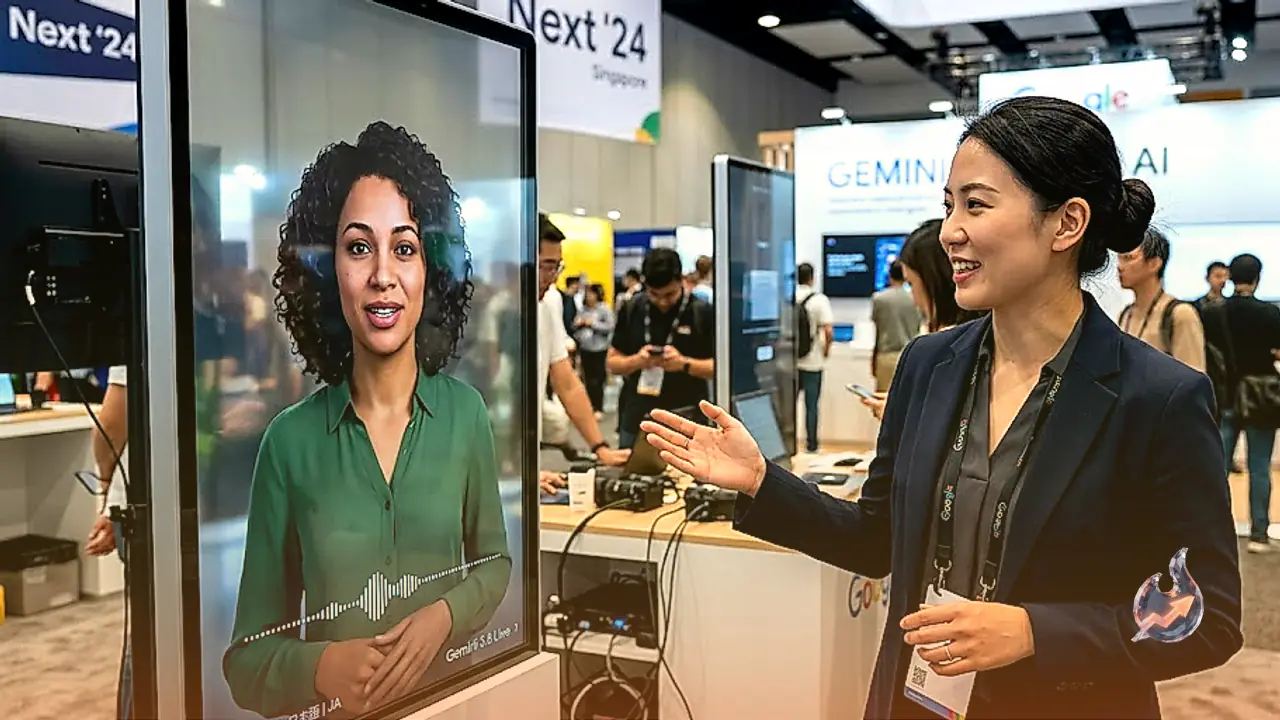

























Smart glasses dominated the hardware displays at this year's Meta Connect, making it clear that the social media giant is fully committed to expanding its lineup of wearable technology. At the annual event, where the company presents its latest devices and AI advances, attendees, staff, and digital creators were seen testing multiple pairs of specs. Most of the live interactive demonstrations held throughout the venue centered heavily on the capabilities of these high-tech devices, underlining the company's belief that smart specs will form the next primary personal computing platform.
Camera-Free Design Aimed at Privacy Concerns
One of the most significant announcements at the event was a new, camera-free smart glasses model focused entirely on audio delivery. The unveiling comes after the company faced public scrutiny and privacy complaints regarding earlier camera-equipped models, which critics argued could be used for unauthorized recording or covert surveillance in public spaces.
To mitigate these privacy issues, the new specs feature six built-in microphones but omit camera sensors entirely. Because there is no native hardware to record images or video of surrounding environments, the design addresses key surveillance worries. Furthermore, removing the camera assembly makes the chassis significantly lighter and more comfortable for prolonged use than previous iterations. The audio specs allow users to listen to music seamlessly and take phone calls hands-free without relying on traditional in-ear headphones or pulling out a smartphone.
Voice Interaction Powered by the Muse AI Agent
The audio glasses integrate directly with Muse, Meta's personal agentic AI system designed to carry out multi-step tasks on behalf of the user. While this deep software integration is not yet broadly available to the public, wearers can interact with Muse using simple verbal commands. The company also plans to introduce personalized digital avatars, allowing users to select a visual representation for the assistant when reviewing interactions on connected screens.
Demonstrations showed that communicating with the agent requires direct and concise voice input. The assistant can become confused if surrounding ambient speech or concurrent conversations overlap with the user's commands. However, in personal everyday use cases, the assistant provides substantial utility. Users can ask Muse to manage digital chores, such as composing emails or reading out daily schedules, while walking, commuting, or grocery shopping. The device also functions as a hands-free conversational knowledge tool similar to a mobile ChatGPT, quickly returning succinct and historically accurate facts when queried on subjects like World War II.
Affordable Assistive Wearables for the Hearing Impaired
In addition to the main consumer audio glasses, the company showcased a specialized audio-only pair engineered for individuals with hearing loss. With an estimated 50 million Americans experiencing some degree of hearing impairment, this specialized device addresses a clear practical need rather than serving merely as an entertainment gadget.
Developed over approximately five years by the company's research team, the device stands out for its disruptive pricing structure. While medical-grade hearing aids frequently cost up to $1,600, these assistive specs are targeted to retail at $150. In testing environments simulating hearing loss, the device actively amplifies spoken dialogue. Users can toggle between two audio modes: a focused mode that isolates and clarifies the voice of the person standing directly ahead, and an omnidirectional mode that picks up ambient sounds from the broader surrounding area.
Meta's Broader Ambition for the Future of Smart Eyewear
Chief Executive Mark Zuckerberg has repeatedly asserted that smart glasses represent the long-term successor to smartphones, and the latest hardware lineup reflects a aggressive push to realize that vision. While smart wearables currently remain a niche product category, the strategy on display indicates an effort to capture broader consumer markets by simultaneously offering stylish daily wear, AI task assistance, and practical health utility.