





















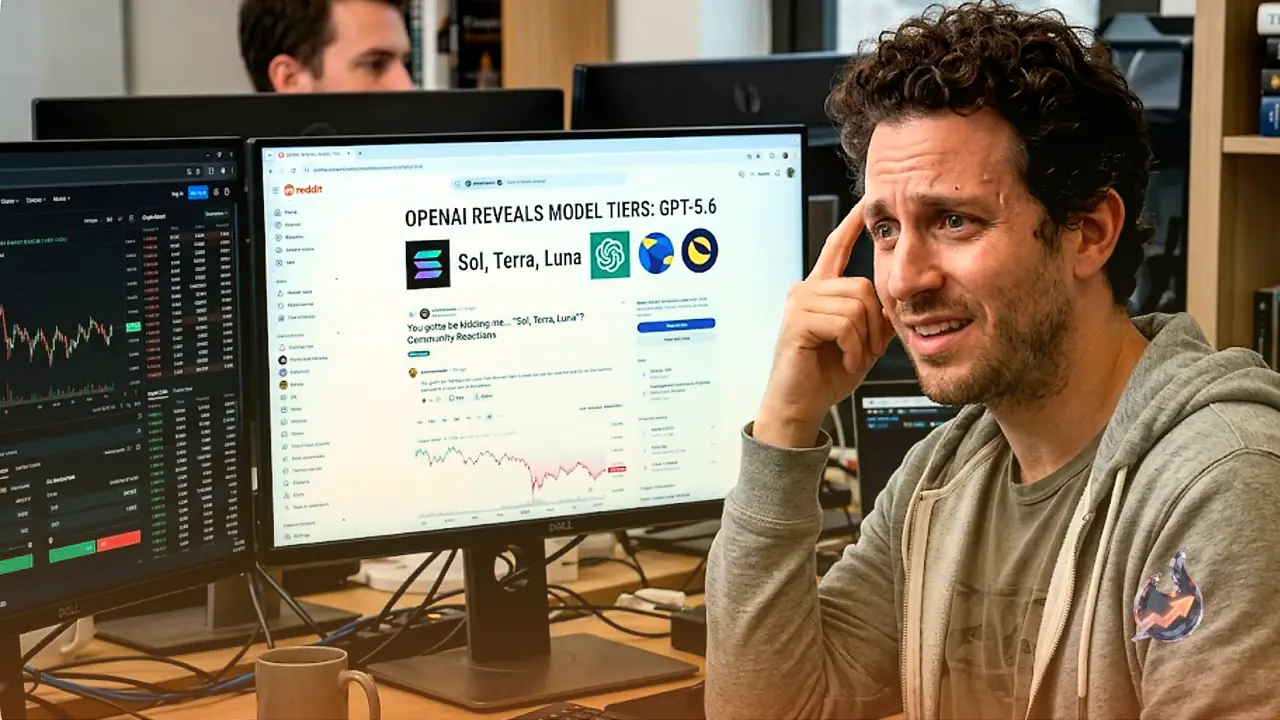

When OpenAI utilized X to unveil its next-generation GPT-5.6 models, the artificial intelligence sector certainly took notice. However, it was the cryptocurrency community that arguably produced the most vocal reaction to the technology giant's latest release. The primary source of this discourse is the branding OpenAI selected for its new AI capability tiers: Sol, Terra, and Luna.
Cryptocurrency Associations and Historical Crashes
For anyone embedded in the digital asset space, those specific labels immediately invoke memories of significant blockchain ecosystems and, perhaps more infamously, one of the most substantial financial collapses in the history of crypto. The community was quick to draw parallels between this new branding and established altcoins such as Solana (SOL), as well as the notorious Terra (LUNA) ecosystem that wiped out tens of billions of dollars in valuation back in 2022.
The official X account for the Solana blockchain even engaged with the news, jokingly referring to OpenAI CEO Sam Altman as Sam Altcoinman. Others were swift to highlight the unsettling association with the Terra and Luna crash. One user quipped about the naming convention by suggesting the company chose titles mirroring past crypto rug-pulls, while another commentator simply questioned if anyone else noticed the reference to the failed project.
Technical Tiers of GPT-5.6
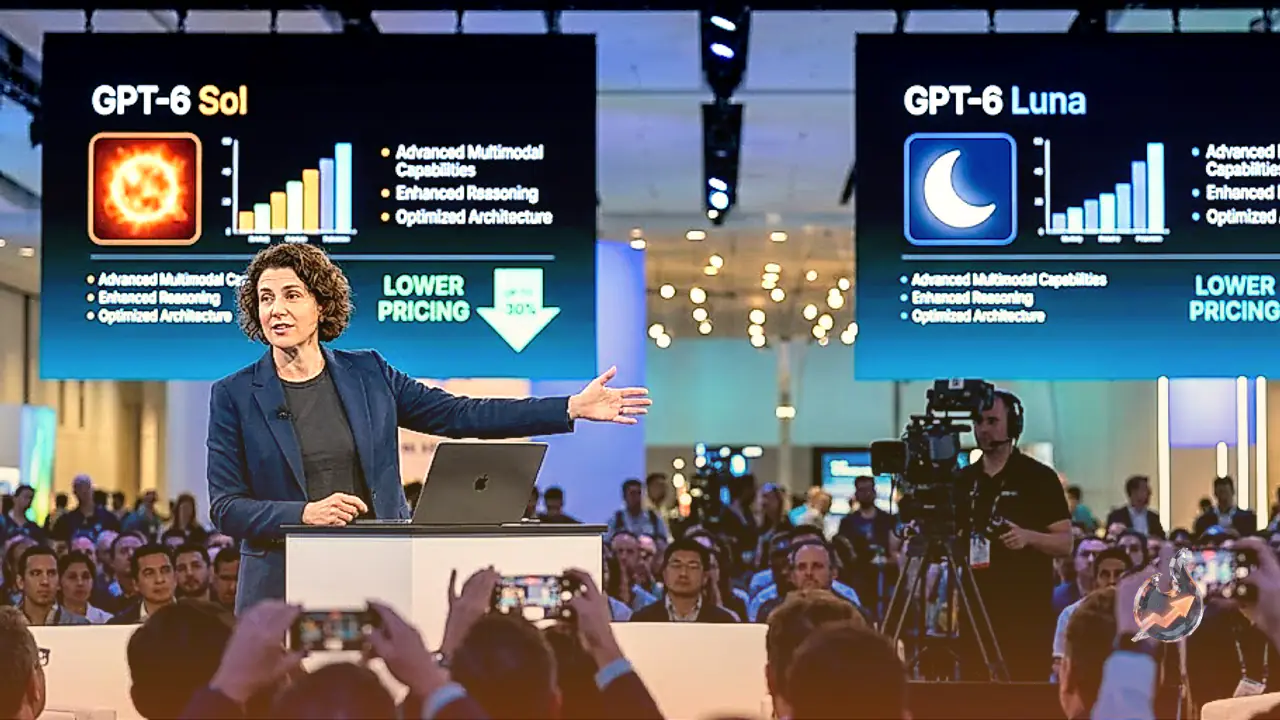
OpenAI's announcement outlined a significant leap forward for its frontier models. The GPT-5.6 family introduces three distinct tiers tailored to specific enterprise requirements. GPT-5.6 Sol is positioned as the new flagship offering, described by the company as a step function better than the previous GPT-5.5. GPT-5.6 Terra is designed for everyday operational needs, reportedly delivering performance that is competitive with GPT-5.5 but at two times lower cost. Finally, GPT-5.6 Luna is billed as the company's most cost-efficient solution, providing strong capabilities for high-volume tasks at their lowest price point.
Despite the impressive benchmark figures provided, the general public will have to wait before they can access these new models. OpenAI has announced that, at this stage, the models are launching in a limited preview phase among a select group of trusted partners utilizing Codex and the API.