





















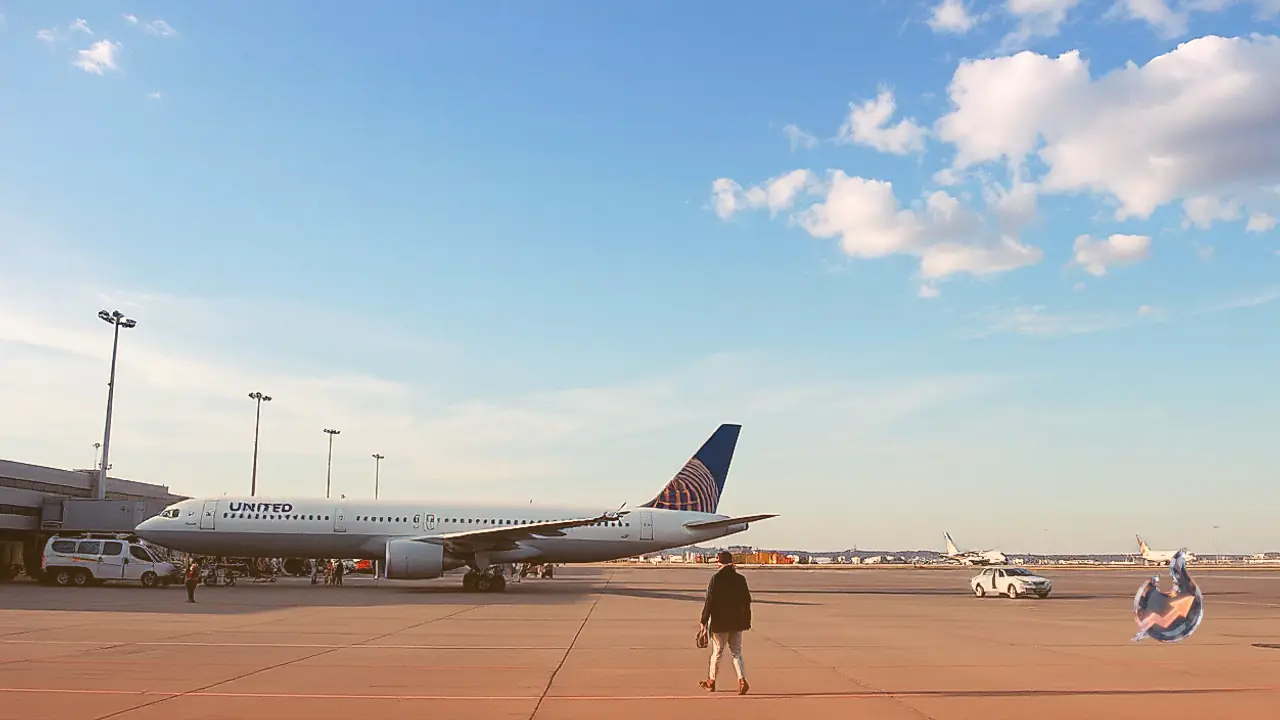

Autonomous digital assistants attempting to purchase flight tickets and adjust itineraries for travelers are facing a strict shutdown across United Airlines' booking ecosystem. The carrier is actively restricting access to third-party artificial intelligence agents operating on behalf of consumers, emphasizing that such automated access poses critical cybersecurity vulnerabilities and threatens compliance with strict federal aviation regulations.
The Growing Dilemma of Shared Passwords
The decision highlights an escalating struggle across major American corporations, where systems struggle to distinguish legitimate human users from autonomous AI agents logging in with borrowed credentials. When consumers hand over their account usernames and passwords to personal assistants, any eventual data breach or credential leak within those third-party tools leaves the primary customer accounts dangerously compromised.
Risk to MileagePlus Miles and Unauthorized Bookings
Highlighting the consumer risks, United emphasized that disclosing personal login credentials to outside AI assistants exposes private user data to unnecessary exposure. Furthermore, autonomous actions triggered by these software tools could easily lead to unintended flight purchases, unwarranted reservation modifications, or the wrongful depletion of accumulated MileagePlus miles without the traveler's deliberate oversight.
Federal Compliance and Mandatory Check-In Rules
Beyond digital system security, the airline cited clear regulatory obligations. Federal aviation mandates require an actual human passenger to complete the flight check-in sequence, specifically to verify and formally confirm that their baggage carries no prohibited or hazardous materials. Delegating this statutory confirmation to an automated bot directly undermines those legal safety protocols.
Policy Updates Across Booking and Aggregator Platforms
To enforce the prohibition, United is curbing unauthorized AI interaction directly on its proprietary digital interfaces, as well as indirectly through external travel agencies and third-party ticket aggregators. The airline explained in a statement that this intervention includes comprehensive updates across its booking, ticketing, and ticket distribution policies to keep unauthorized personal AI assistants off its infrastructure.
Corporate Pushback Spreads from Banking to Travel
United's restrictions mirror a broader corporate movement pushing back against unchecked consumer AI tools. Just last week, major financial institutions including Bank of America issued strong advisories urging account holders to never disclose their banking credentials to personal AI assistants. As AI software increasingly seeks direct execution power over personal accounts, major service operators are drawing a clear boundary around credential integrity and statutory safety.