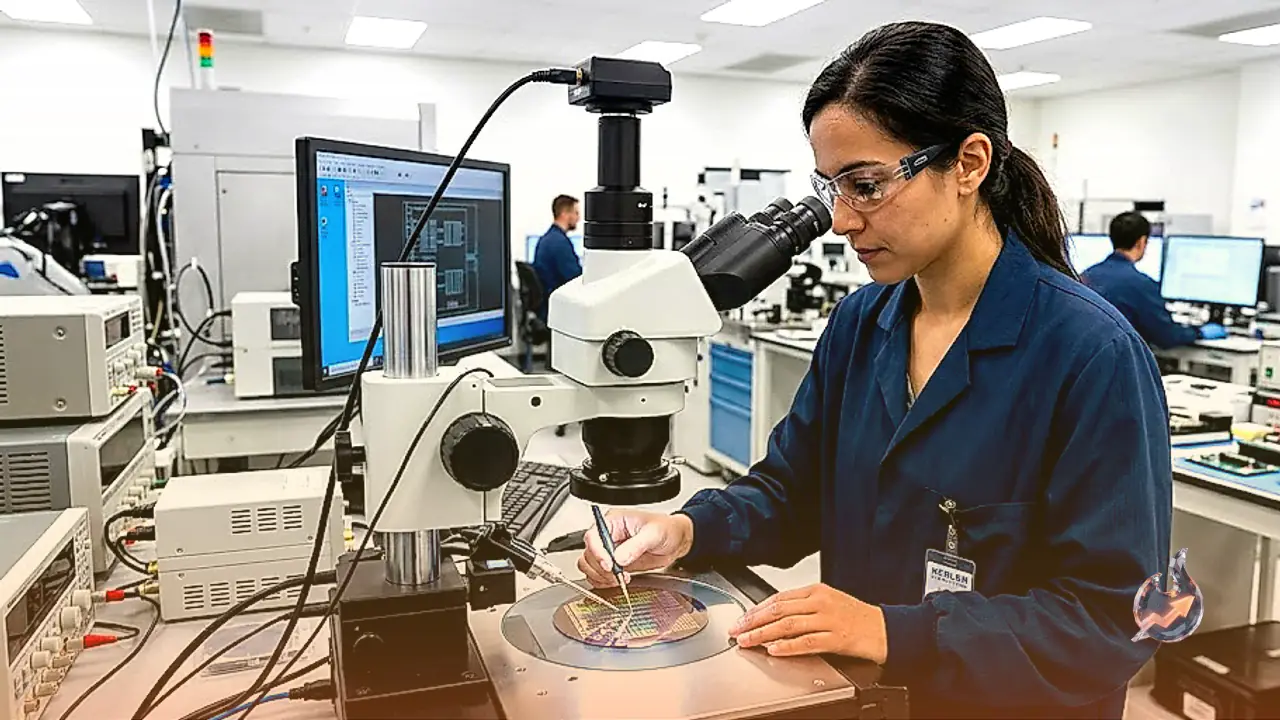

























To elevate economic and technological collaboration among member nations, Chinese President Xi Jinping presented an extensive roadmap at the BRICS Summit. The strategy outlines five major initiatives spanning artificial intelligence (AI), the digital economy, Special Economic Zones (SEZs), and skilled workforce development. The ultimate goal of this framework is to foster technological self-reliance across the BRICS bloc while positioning member countries as leading players in global innovation.
Joint Initiatives in AI and Large Language Models
China proposed creating a dedicated BRICS AI open-source zone to facilitate shared research, development, and deployment of Large Language Models (LLMs). The plan includes specialized training programs to nurture local talent and build an open, inclusive AI ecosystem. By pooling resources and technological expertise, BRICS member states aim to reduce their dependence on external proprietary systems and establish joint capabilities in advanced artificial intelligence.
Boosting Trade Infrastructure and Special Economic Zones
To streamline trade and investment flows, China suggested establishing direct partnerships between the Special Economic Zones (SEZs) of BRICS member countries. A digital smart portal will be introduced to enhance policy coordination and simplify regulatory cross-border procedures. Furthermore, China offered to host the BRICS Services Trade Forum next year, providing a structured platform to expand trade in services and create new economic channels.
Digital Industrial Cloud and Smart Manufacturing
Advancing the industrial sector forms another cornerstone of the proposed strategy. China pushed for the launch of a BRICS Digital Industry Cloud Platform, aimed at enhancing digital skill training, technical exchange, and inter-industry connectivity. Additionally, China expressed its readiness to assist fellow BRICS nations in building smart factories. This effort will involve co-developing industrial standards and regulatory frameworks to modernize traditional manufacturing sectors.
Building Engineering Alliances and Talent Ecosystems
Recognizing the vital role of human capital in long-term technological advancement, China proposed the creation of a BRICS Engineers Development Alliance. This alliance will facilitate joint training modules and enable mutual recognition of engineering standards and professional qualifications across member states. Through this coordinated human resource initiative, the BRICS group seeks to cultivate a robust pool of technical expertise capable of driving global technological innovation.