























Anthropic has highlighted the potential of artificial intelligence to dramatically accelerate progress in biology and medicine, though its recent regulatory disclosures adopt a more measured tone regarding how those ambitions will translate into tangible outcomes. Executives previously outlined bold visions on social media, predicting that advanced models could soon help cure most human conditions and usher in a wave of accelerated pharmaceutical treatments, alongside promoting a specialized enzyme discovery attributed to Claude.
Expanding Beyond Traditional Software Research
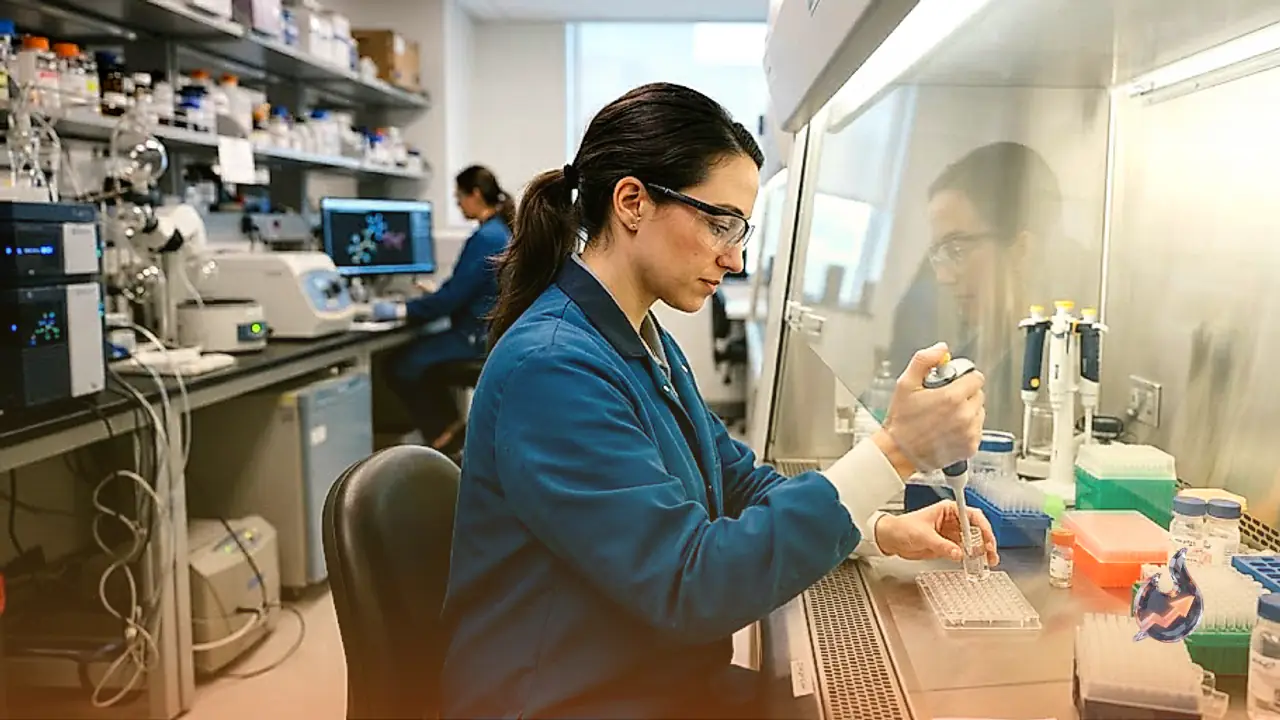
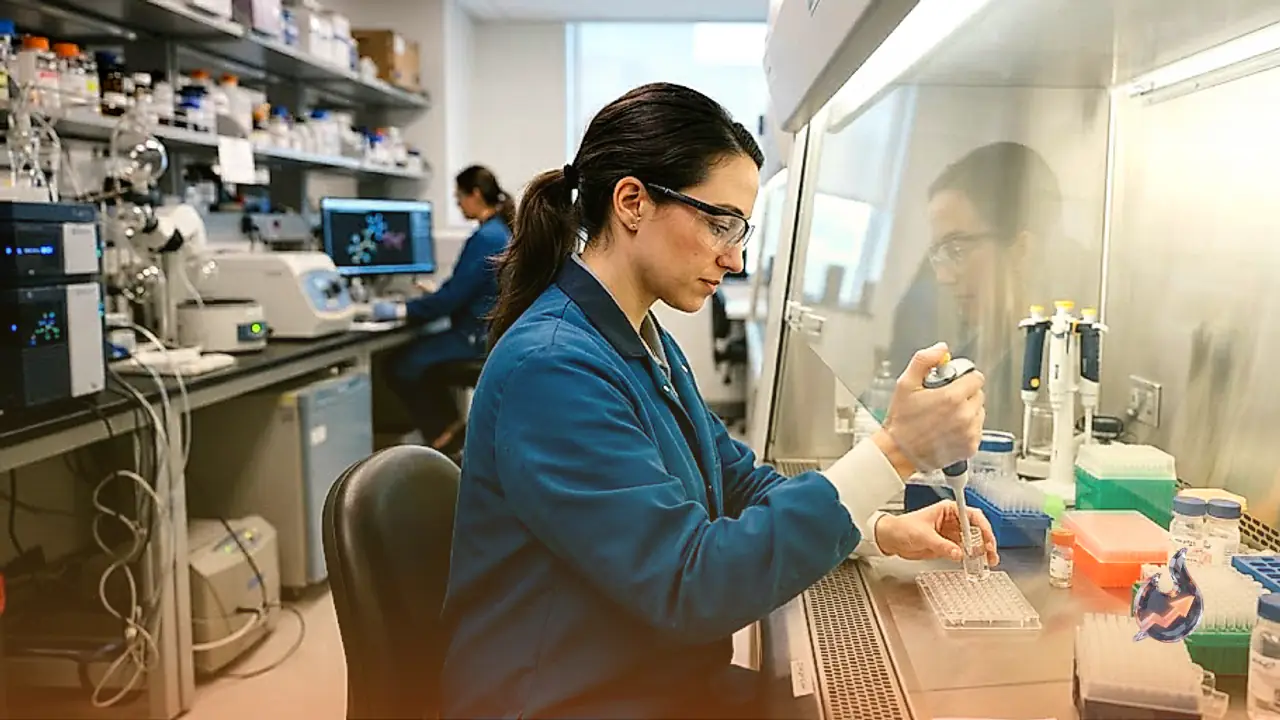
While the official filing continues to champion the technology's capacity to compress decades of scientific advancement into a much shorter timeframe, it exercises caution about executing that potential in the physical world. The organization noted that its life sciences initiatives will require direct involvement in scientific research and drug discovery outside its historical scope as a research and software entity. This operational shift entails handling potentially hazardous materials, utilizing physical laboratory equipment, and adhering to a complex framework of regulatory standards.
Refining Claims and Navigating External Skepticism
The company moderated its previous statements regarding the aforementioned enzyme discovery, describing it merely as something that might hold potential for novel biotechnology applications such as gene editing. Independent researchers previously expressed skepticism to industry observers regarding the actual utility of the finding, with one scientist raising concerns that the model may have utilized unpublished research. The organization countered those concerns by maintaining that neither its molecular biology team nor its artificial intelligence models had access to that specific material.
The Lengthy Timeline of Pharmaceutical Trials
The recent disclosures suggest that the firm no longer views itself purely as an external technology provider for the biotech sector, but rather incorporates biological discovery as a core pillar of its business model. Nevertheless, it faces the same protracted developmental cycles that govern the entire pharmaceutical industry. Any computational discoveries must still undergo rigorous physical testing in test tubes, progress through animal trials, and ultimately be evaluated in human subjects to prove safety and efficacy.
Regulatory Hurdles and Investor Transparency
The filing explicitly acknowledges that prospective drug candidates resulting from these endeavors must navigate expensive, uncertain, and highly regulated pathways that might never yield commercial revenue. Securities and Exchange Commission documents typically demand greater caution than executive pronouncements due to potential legal liabilities associated with forward-looking statements to investors. Even so, the disclosures make it evident that the leadership firmly believes the technology will ultimately drive revolutionary breakthroughs in the life sciences.