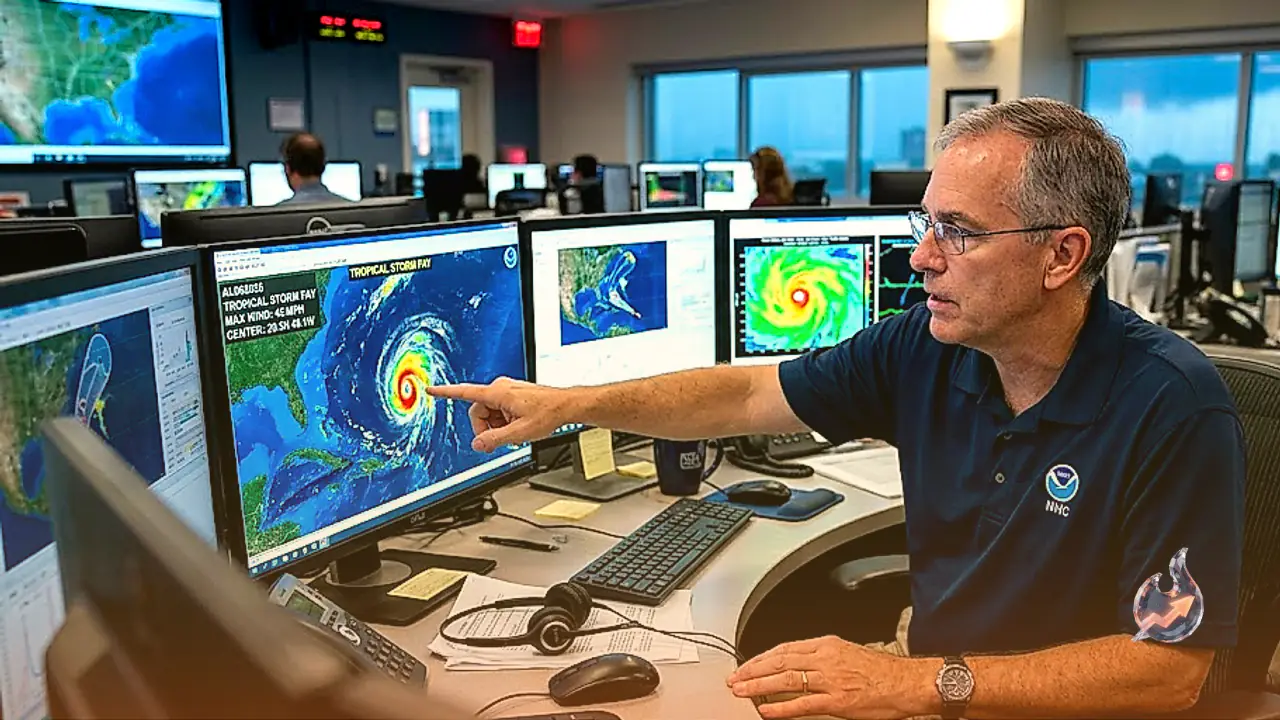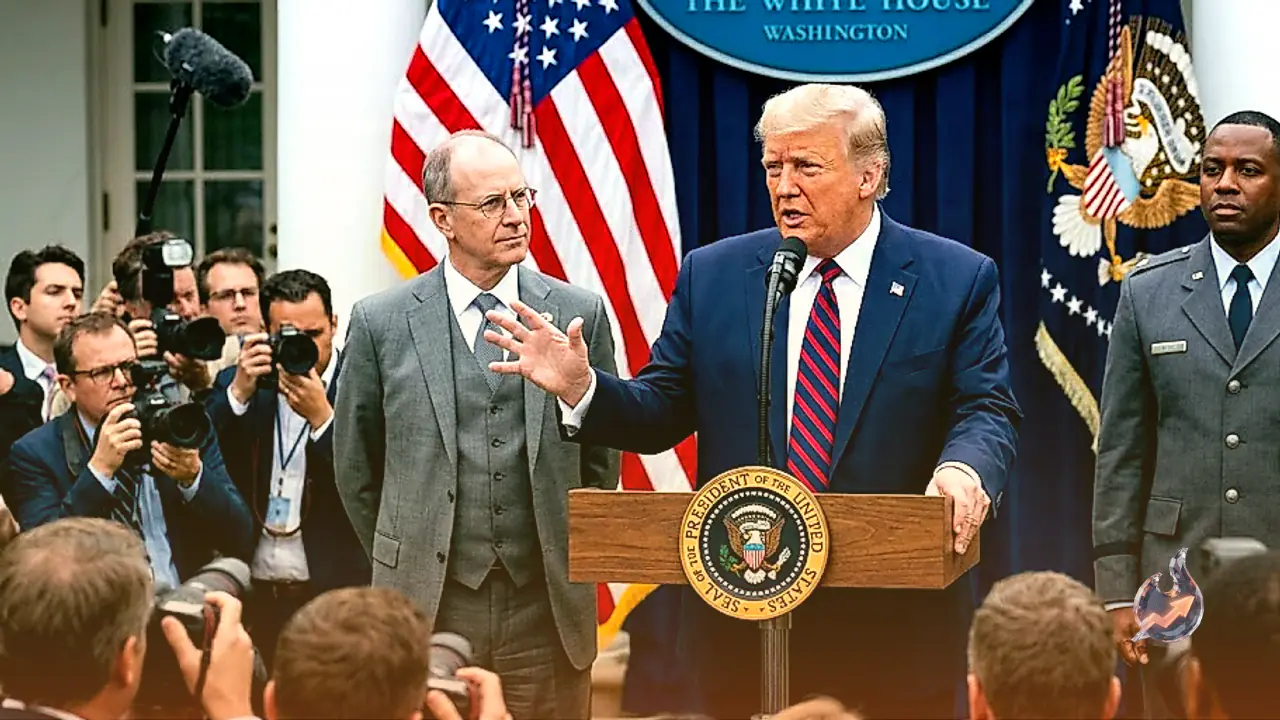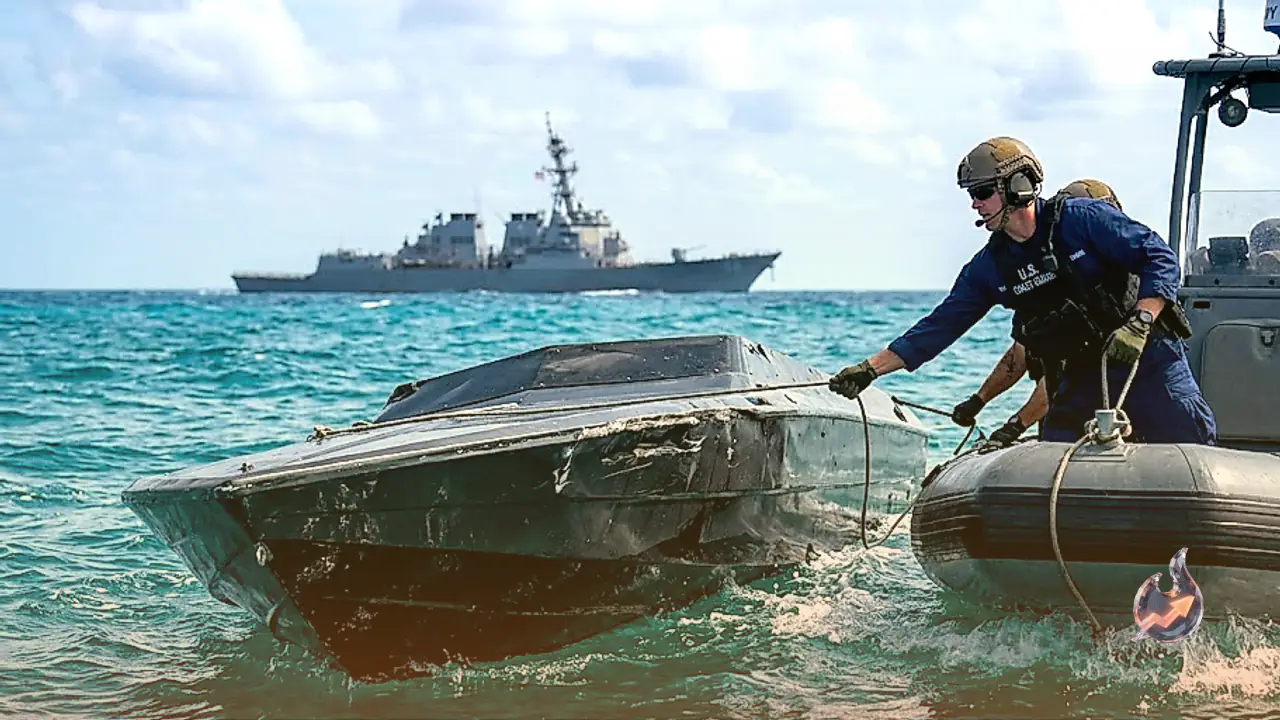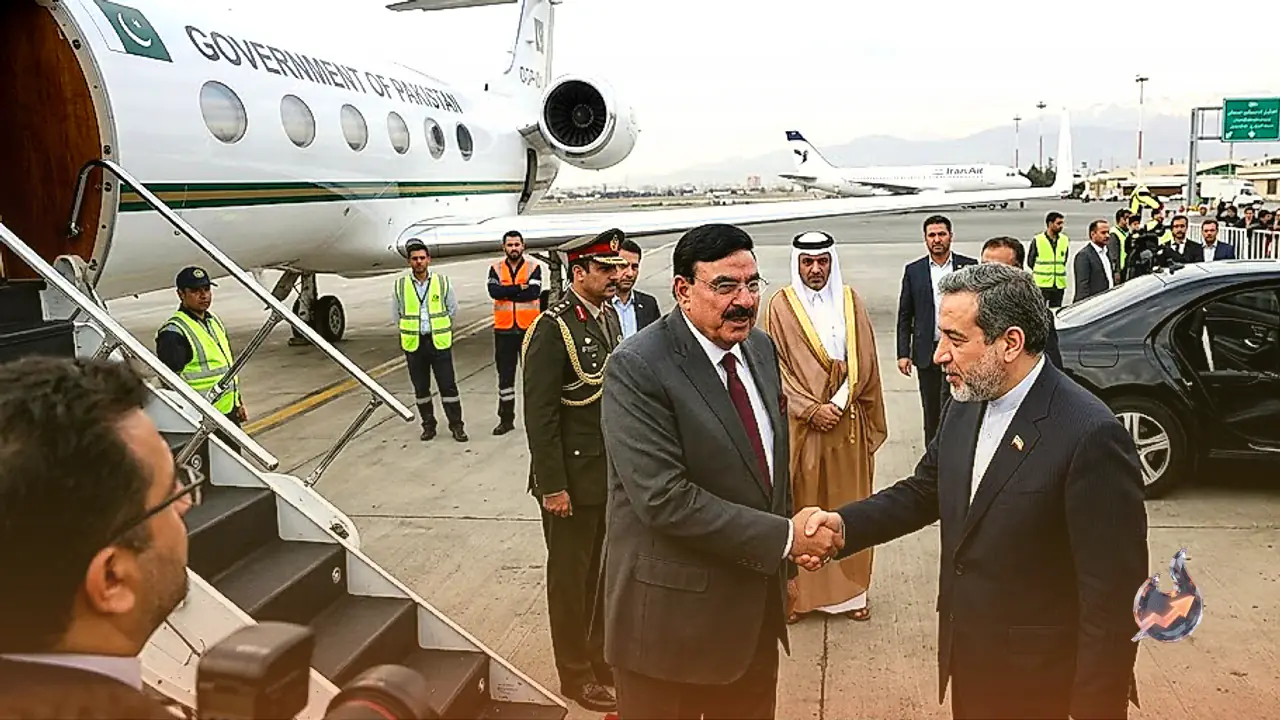






















A severe escalation across West Asia has brought international energy corridors to a virtual standstill following military strikes by the United States and Israel against Iran. Shipments of oil and liquefied gas navigating through the vital Strait of Hormuz have halted almost entirely. Maritime transit diverted through the Bab el-Mandeb strait, which links the Red Sea to the Gulf of Aden, has encountered fresh attacks from Houthi forces. Concurrently, Saudi Arabia was forced to immediately shut down its 1200-kilometer East-West pipeline after a severe strike compromised the conduit, which normally channels 5 percent of the global oil demand. The tensions increased dramatically following an assault targeting a Saudi airport. Amid these developments, Tehran has presented Washington with 7 specific terms to end the war, even as military posturing signals imminent conflict.
US Aerial Assets and Tankers Deployed in the Persian Gulf
A US bomber jet has already departed from a British airfield, while military flight operations have spiked significantly across the Gulf. On Sunday, September 20, at least seven US aerial refueling tanker aircraft were observed operating over the Persian Gulf. These platforms are equipped to replenish combat aircraft mid-flight, allowing long-range bombing missions to remain airborne indefinitely. Complementing these aerial tankers, a US Navy MQ-4C Triton maritime surveillance drone carried out reconnaissance operations across the region. Iranian state television concurrently reported the presence of unidentified aircraft in the skies above Bandar Abbas, though this claim has not been verified independently.
Tehran Issues Direct Warning Against Regional American Bases
In response to visible American preparations, the Iranian military command issued sharp warnings against further incursions. The Khatam al-Anbiya Central Command of Iran asserted that actionable intelligence pointed toward an imminent US military operation. The command warned that any renewed aggression would result in direct strikes targeting US military installations, facilities, and strategic interests stationed across the broader Middle East. Reacting to the volatility, the United States instructed its citizens located across the region to exercise heightened vigilance against potential hostilities.
Strikes Reported Near Erbil Airport and Yemeni Capital
The geography of the confrontation has broadened further with explosions reported inside both Iraq and Yemen. A powerful blast was heard near Erbil Airport in northern Iraq, an area in close proximity to stationed US military personnel. Official assessments of casualties or infrastructure damage from the Erbil incident have not yet been released, and the perpetrators remain unconfirmed. Simultaneously, multiple detonations shook Sanaa, the capital city of Yemen. Analysts monitoring the developments linked the blasts inside Sanaa to retaliatory actions by Saudi Arabia following an Ansarallah strike directed against King Khalid Airport in Riyadh two days prior.
Strategic Significance of Hormuz and Global Energy Risks
The confrontation threatens deep systemic shocks to international commerce and industrial logistics. The Strait of Hormuz handles roughly one-fifth of worldwide petroleum shipments, making it the most critical maritime transit point for crude. With both the Strait of Hormuz and alternative avenues such as the East-West pipeline and the Bab el-Mandeb facing disruptions, prolonged maritime gridlock would exert severe upward pressure on benchmark crude, diesel supplies, shipping freight rates, and basic food commodity prices across the globe.