























Disturbing findings have emerged regarding a deadly ballistic missile strike that targeted an American military installation in Jordan on July 17. Investigators have determined that the precision with which Iranian forces struck high-value targets inside the base was enabled by high-resolution satellite imagery supplied by commercial Chinese firms. The attack on the Muwaffaq Salti Air Base in northeastern Jordan resulted in the deaths of three US service members and left four others with severe injuries requiring medical evacuation, sharply escalating tensions between Washington and Beijing.
Devastating Precision at Muwaffaq Salti Air Base
The Muwaffaq Salti Air Base in northeastern Jordan serves as a heavily fortified hub for regional operations. Over a 24-hour span surrounding the July 17 incident, the installation was struck by three separate ballistic missile salvos. Rather than scattering across open terrain, the incoming Iranian ordnance struck directly at the living quarters housing American troops. The barrage also inflicted damage on flight lines, targeting both manned aircraft and unmanned aerial systems stationed at the airfield.
These fatalities represented the first American military deaths since an informal regional ceasefire had taken hold in April. Beyond the tragic human toll, the operation laid bare vulnerabilities in what had been considered heavily guarded defensive perimeters, sparking intense debate over the rapid modernization and tactical reach of Iran's missile arsenal.
Ignored Diplomatic Warnings and Beijing's Rebuttal
American officials had spent months issuing direct warnings to Beijing, cautioning that commercial targeting data and tactical imagery should never be transferred to Tehran. Those diplomatic demarches were repeatedly brushed aside. When American representatives confronted their Chinese counterparts specifically about the geospatial imagery used in the July 17 strike, the response from Beijing was one of outright rejection.
Chinese officials demanded concrete proof and insisted that no Chinese enterprises were implicated in any such operations. Addressing the controversy, the Chinese Embassy in the United States maintained that Beijing's interactions with Tehran strictly adhere to international legal frameworks. An embassy representative further countered that regional critics were exploiting the confrontation to malign other nations with malicious intent.
Sanctions on Satellite Firms and Summit Diplomacy
The friction over commercial imaging technology is not entirely new. Back in May, the United States imposed formal sanctions against three Chinese satellite imagery enterprises, specifically identifying MizarVision, Earth Eye, and Chang Guang. At the time of the blacklisting, officials warned that transferring orbital photography to Iran posed an unacceptable and direct danger to American and allied personnel operating across the theater.
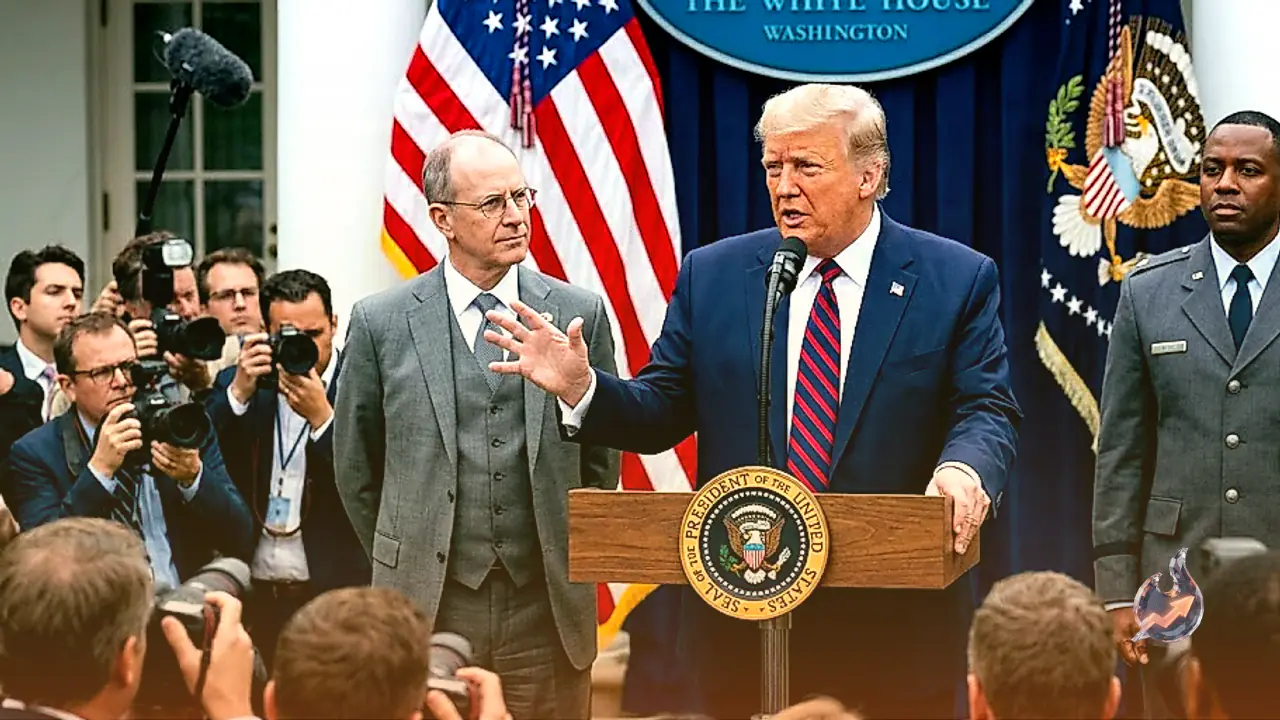
These explosive revelations arrive at an exceptionally delicate diplomatic juncture, as planners prepare for a highly anticipated bilateral summit between US President Donald Trump and Chinese President Xi Jinping. President Donald Trump has consistently voiced an intention to cultivate stable working relations with China and President Xi. Consequently, senior American diplomats have occasionally sought to downplay the direct operational impact of Chinese assistance in public remarks, keen to avoid a diplomatic breach that could derail scheduled leadership talks.
Marco Rubio and the Diplomatic Posture
Following the July 17 attack, US Secretary of State Marco Rubio was asked directly whether Chinese entities were feeding military-grade intelligence to help Iranian forces pinpoint American positions. Rubio refrained from making any direct accusations against the leadership in Beijing. After concluding bilateral discussions with Chinese Foreign Minister Wang Yi, Rubio remarked that nothing China has done has changed the overall direction of the confrontation.
By refraining from leveling formal accusations against the Chinese central government, Washington has kept a channel open for broad diplomacy. Nevertheless, the involvement of Chinese private infrastructure in lethal attacks against US personnel remains a flashpoint behind closed doors.
Iran's Layered Intelligence Architecture
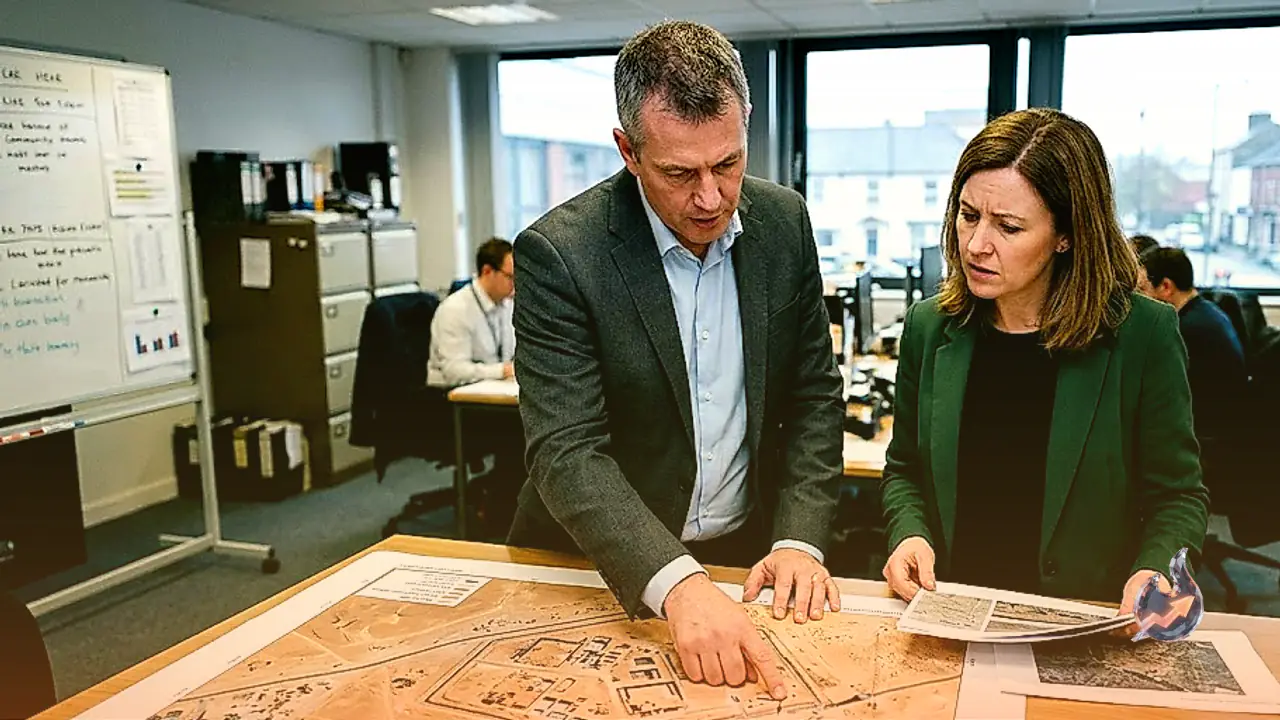
Regional defense analysts and former national security officials assess that the satellite passes purchased from commercial providers represent only one component of a wider, sophisticated Iranian targeting apparatus. The Iranian armed forces consistently cross-reference external visual data with inputs from their domestic satellites, covert human sources on the ground, and intelligence feeds supplied by Russia.
National security planners are increasingly alarmed by the prospect of China or Russia funneling high-resolution commercial surveillance or tactical intelligence to help Tehran monitor and track American naval vessels and land-based garrisons throughout the Middle East. If advanced orbital tracking continues to leak into Iranian hands, the operational safety of personnel stationed throughout the region faces unprecedented peril.